A clogged condensate line in a Miami beachside condo can start as a small service call and end as soaked drywall, angry tenants, and a property manager demanding answers. On top of that, national insurance rates for contractors have climbed by roughly twenty percent in recent years, with carriers signaling another single-digit jump on the horizon across every state according to one industry analysis. For local HVAC companies that already operate on thin margins, a single uncovered claim or a poorly structured policy can hurt more than any slow season.
This guide breaks down how HVAC contractor insurance really works for Miami service companies, why certain coverages matter more in South Florida, what typical costs look like, and how to keep your policies lean but effective. The goal is simple: fewer surprises when something goes wrong, and fewer headaches when it comes time to renew.
Why HVAC Contractor Insurance Matters So Much In Miami
Miami contractors deal with a mix of tropical heat, salt air, dense high-rise buildings, and clients who absolutely cannot tolerate a failed air conditioner. That combination leads to frequent emergency calls, tight timelines, and work inside expensive properties where any mistake can be costly. Water leaks from air handlers, electrical shorts, and refrigerant issues can all trigger claims when they damage a customer’s unit or common areas.
Industry research shows that HVAC contractors face more than twenty five thousand insurance claims a year nationwide, and close to forty percent of those are tied to equipment problems like incorrect refrigerant handling or installation errors based on a recent analysis of HVAC claims. Miami’s constant cooling demand increases both call volume and exposure, which means even a careful company can eventually be on the wrong end of a claim.
Add in hurricanes, power surges, and building code complexity, and it becomes clear that insurance is not only a regulatory box to check. The right mix of coverage can be the difference between writing a deductible check and facing a lawsuit that threatens the business itself.

HVACInsure is fully licensed and permitted to sell contractor and commercial insurance in Texas.
We insure HVAC contractors throughout Florida and in 47 other states, providing compliant, affordable, and comprehensive coverage that meets project and regulatory requirements.
Core Insurance Policies Every Miami HVAC Service Company Should Consider
Most HVAC businesses in Miami do not need a single giant policy. They need a bundle of coverages that work together: some protect clients, some protect employees, and others protect vehicles and tools. Putting these pieces together in a smart way keeps premiums under control while still satisfying landlords, general contractors, and condo associations.
Below are the core policy types that usually make up a solid HVAC insurance program, along with how each one matters specifically in the Miami market.
General Liability Insurance
General liability is usually the first policy requested by property managers and builders. It responds when your work allegedly causes bodily injury or property damage to others, such as a technician cracking a marble floor tile while moving an air handler or a leaking drain pan damaging a downstairs condo. For many HVAC companies, this is the coverage that handles slip and fall incidents, overspray, and accidental property damage on a jobsite.
One construction benchmark survey of electrical and HVAC businesses found that roughly two thirds purchase a general liability limit of about two million dollars, and a significant minority go beyond that, often carrying up to four million in total protection according to a multi-state contractor report. Those higher limits are especially common for firms that work in high-rise buildings or sign contracts with large commercial clients, which is typical throughout Miami.
Business Property And Equipment Coverage
HVAC companies accumulate a lot of gear. Office furniture, computers, diagnostic tools, vacuum pumps, recovery machines, and warehouse stock all represent real money. Commercial property insurance is what reimburses you when a fire, theft, or certain types of storm damage hit your office or warehouse location.
For many service companies, a key add-on is coverage for tools and equipment that travel with crews, often called inland marine or equipment floater coverage. Think about vacuum pumps stolen from a truck in a hotel parking lot or a lift damaged on a job. Without this type of protection, replacing tools comes straight out of operating cash.
Workers Compensation Insurance
Miami heat is unforgiving, and HVAC technicians often work on rooftops, in attics, and in cramped mechanical rooms. Cuts, falls, electrical exposure, and heat-related illness are all realistic risks. Workers compensation steps in to cover medical expenses and lost wages when an employee is injured while working.
This coverage is not just smart planning. For most Florida HVAC employers above a very small size, it is a legal requirement. Carriers will also look hard at your safety practices, training, and claim history when pricing this policy, which means investing in safety can have a direct effect on your bottom line.
Commercial Auto Insurance
Service vans and trucks are mobile billboards for your company, but they are also rolling liabilities. A rear-end collision in traffic on US Highway 1 or a fender bender in a condo garage can lead to both property damage and injury claims. Personal auto policies generally do not cover vehicles used mainly for business.
Commercial auto insurance protects the company when drivers cause accidents in the course of work. It also addresses issues like theft of the vehicle, vandalism, or damage from certain types of storms, depending on how the policy is written. If you allow employees to take vehicles home or tow trailers, be sure those exposures are fully disclosed to the insurer.
Professional Liability And Errors Coverage
Many HVAC contractors still think of liability in terms of physical damage: a broken pipe, a damaged wall, a burned-out motor. Increasingly, though, disputes focus on design and system performance. An owner might allege that your design left a high-end condo too humid or that a miscalculated load caused excessive energy bills.
Professional liability, sometimes called errors and omissions coverage, is built to handle claims that your recommendations, sizing, design, or programming were negligent and caused a financial loss. For Miami companies that provide design-build services or manage complex control systems for large buildings, this coverage can protect against expensive disagreements even when nothing physically breaks.
Umbrella Or Excess Liability Coverage
When a serious claim hits, it can pierce the limits of your primary policies. Think multiple units damaged by a fire tied to your installation or a severe injury on a commercial site. Umbrella or excess liability coverage sits above your general liability, commercial auto, and sometimes employers liability, adding extra protection once those base limits are exhausted.
Miami HVAC contractors that sign contracts with large property owners or municipalities are often required to carry higher total limits. An umbrella policy can be a cost-effective way to meet those requirements without dramatically increasing the limits on every individual policy.
| Coverage Type | What It Protects | Miami-Specific Example |
|---|---|---|
| General liability | Claims for injury or property damage to others | Water from an air handler leaks into a luxury condo below your work area |
| Business property | Office, warehouse, and stored equipment at your premises | Storm damage at your shop destroys stocked compressors and air handlers |
| Workers compensation | Employee injuries and related medical costs | A technician suffers heat exhaustion while servicing rooftop package units |
| Commercial auto | Company vans, trucks, and liability from on-road accidents | A service van is involved in a collision on the Dolphin Expressway |
| Professional liability | Claims tied to design errors or faulty recommendations | A condo board alleges your system design causes ongoing humidity issues |
| Umbrella liability | Extra protection above primary liability policies | A large property damage claim exceeds your general liability limit |
What HVAC Insurance Typically Costs For Miami Service Companies
Every HVAC contractor wants to know what a reasonable premium looks like before sitting through a quote meeting. While no article can replace a tailored quote, industry data does give a helpful range that many underwriters use as a reference point.
Across the HVAC sector, liability insurance premiums usually land somewhere between just over one percent and a little more than two percent of a company’s annual gross revenue, and a small operation earning about one hundred fifty thousand dollars a year can expect an average liability premium in the neighborhood of three thousand one hundred forty dollars based on an analysis of typical HVAC insurance programs. In Miami, location, storm exposure, and claim history tend to push many contractors toward the higher end of that range, especially if they work in high-rise or coastal properties.
Underwriters look at several factors when setting your rates. Revenue size, payroll, and the mix of residential versus commercial work matter. So does the type of projects you take on, such as heavy chiller work in downtown towers compared to light residential changeouts. A clean loss history, documented safety training, and contracts with clear risk transfer language can all help support better pricing. On the other side, frequent water damage claims, a record of employee injuries, or poor vehicle records can quickly erode any discounts.
Miami Risk Profile, Claims Trends, And Common Coverage Gaps
Insurance is only useful if it responds when something bad happens. The challenge for HVAC companies is that not every loss fits neatly into a covered cause. Miami’s unique mix of weather, high humidity, and coastal corrosion adds complexity that can leave contractors exposed if policies are not reviewed carefully.
A recent HVAC claims report found that close to forty percent of evaluated equipment losses stemmed from causes that are commonly excluded under standard policies, such as gradual wear and tear or long-term corrosion, highlighting how easily contractors can assume something is covered when it is not according to a national HVAC insurance study. In Miami, where salt air, constant use, and power fluctuations accelerate system breakdowns, that gap between expectation and reality becomes even more important.
Other local pain points include mold allegations after water leaks, disputes over indoor air quality, and complaints tied to humidity or temperature swings in luxury residences. Condo associations and property managers often have their own strong legal teams, so even a questionable claim can take time and money to resolve. Tightening up contracts, documenting work thoroughly, and confirming how your policies respond to water, mold, and corrosion related issues can prevent ugly surprises later.

How Florida Legal Changes Affect HVAC Insurance In Miami
Legal trends in Florida have a direct effect on what HVAC contractors pay for coverage and how carriers handle claims. For years, insurers and business owners struggled with widespread litigation and assignment of benefits practices that drove up defense and settlement costs. Those higher costs filtered back into contractor premiums.
Recent legislative reforms have started to rein in some of that legal system abuse, and insurance experts note that both residents and businesses in the state are now in a stronger position as a result according to commentary from the Insurance Information Institute. That shift does not mean claims disappear, but it does give carriers more predictability, which can help stabilize rates over time compared to the steep increases seen in earlier years.
For Miami HVAC companies, these changes make strong documentation and clear contracts even more valuable. When claims do arise, detailed job notes, signed work orders, and photographs of pre-existing conditions give your insurer better tools to defend or negotiate. That can make a measurable difference in how a claim impacts your record and future premiums.
Practical Steps To Build The Right HVAC Insurance Program In Miami
Putting all the pieces together can seem overwhelming, especially for growing service companies that are busy just keeping up with calls. A simple, structured approach makes it easier to build or overhaul your insurance program without missing critical details.
Start by mapping your operations. List out the types of jobs you take, from residential maintenance to large commercial projects, and where you work. Note whether you handle design or controls work, how many vehicles you operate, and where tools and materials are stored. This operational snapshot helps an insurance advisor see your real risk profile instead of relying on generic assumptions.
Next, gather copies of current policies, contracts, and any certifications that clients require. Comparing your existing limits and exclusions with the work you actually do often reveals obvious gaps, such as missing professional liability for design work or inadequate limits for jobs in expensive high-rises. With that information in hand, you can have a far more productive conversation about which coverages to increase, which to adjust, and where you might reduce or consolidate policies to stay efficient.
- Review service contracts and master agreements to see what insurance limits and endorsements are required.
- Ask about how water damage, mold, and pollution-related claims are treated under your current policies.
- Confirm that tools in transit, rental equipment, and temporary jobsite storage are addressed somewhere in your coverage.
- Check that all company entities, trade names, and locations are correctly listed on every policy.
- Schedule an annual review before renewal season, not after the new bill arrives.
Frequently Asked Questions About HVAC Contractor Insurance In Miami
HVAC owners and managers in South Florida tend to ask similar questions once they start digging into the details of coverage. The answers below address some of the most common concerns while keeping the focus on how things actually work for local service companies.
Use this section as a quick reference, then bring these questions to your own insurance advisor so you can see how the answers apply to your specific operation and contracts.
Is general liability really enough for a small residential-only HVAC company?
General liability is a critical foundation, but it usually is not enough by itself, even for residential-only work. You still need to think about workers compensation if you have employees, commercial auto for service vans, and coverage for tools and inventory, since a single fire or theft at your shop can be just as damaging as a lawsuit.
How much liability limit do Miami HVAC contractors typically carry?
A construction survey of electrical and HVAC businesses found that around two thirds buy a general liability limit of roughly two million dollars, while about one fifth choose higher limits, commonly around four million in total protection according to a multi-state benchmark report. Miami contractors that work in high-rise buildings, hospitals, or large commercial facilities often lean toward the higher end of that range because potential claims can be larger.
Will my policy cover damage from a hurricane or tropical storm?
Coverage for hurricane-related damage depends on the specific policy. Your own buildings and contents are usually addressed under commercial property coverage, subject to wind or named-storm deductibles, while liability policies can respond if your operations are alleged to have contributed to damage. Because every insurer handles wind and flood differently in coastal areas, it is important to review those sections in detail.
Do I need professional liability if I do not stamp drawings?
Yes, professional liability can still be important even if you are not acting as a licensed engineer. Whenever you are sizing equipment, laying out ductwork, programming controls, or making system design recommendations, there is a risk that a client accuses you of a costly mistake. This coverage helps handle those allegations, including legal defense, even when the dispute is about system performance rather than physical damage.
How can I reduce my HVAC insurance premiums without cutting coverage?
The most effective levers are usually safety and documentation. Investing in driver training, enforcing fleet rules, maintaining good jobsite safety practices, and documenting procedures can improve your loss history over time, which underwriters reward. Keeping clean, well-organized records also helps your insurer defend questionable claims, which can soften the impact of losses on your future pricing.
What happens if a claim falls into an exclusion I did not know about?
If a loss is clearly excluded, the carrier typically has no obligation to pay, which can leave your company responsible for repairs, legal fees, or both. That is why it is essential to review key exclusions with your insurance advisor, especially around water, mold, pollution, and wear and tear, which have been shown to cause a substantial share of HVAC-related losses that are not covered under standard policies
based on a national HVAC claims study.
Recognized by National HVAC Trade Associations
These trusted organizations set best practices and standards that carriers rely on when underwriting HVAC risks.
Membership signifies adherence to HVAC industry standards and contractor best practices.
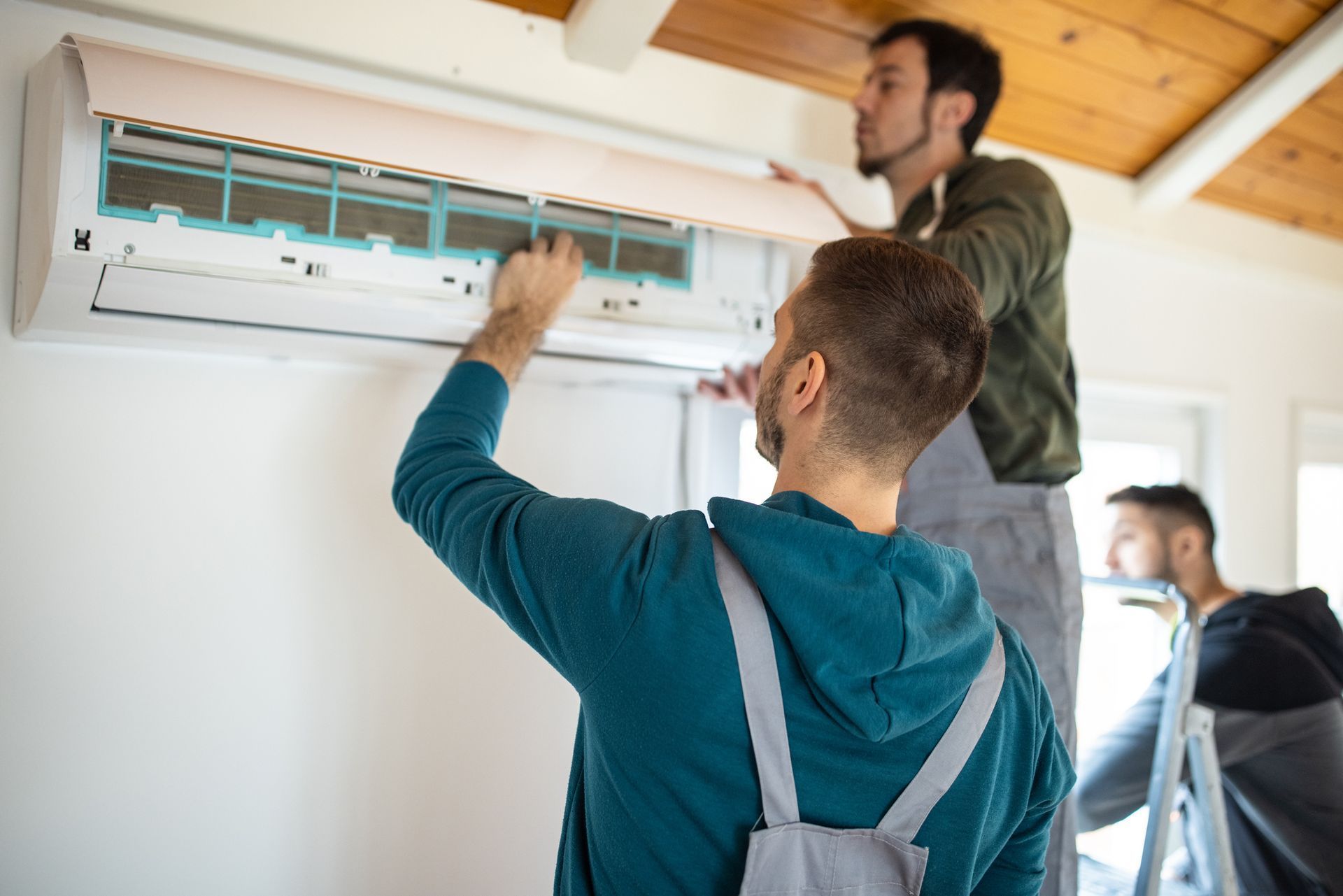
Coverage for Crews, Vehicles, and Tools
Insurance for HVAC Contractors
We provide business insurance designed for HVAC contractors. These policies protect your crew, vehicles, and tools while helping you meet project requirements. Every policy is explained clearly and delivered quickly so you can work without delays.

Resources
Insurance Tips for HVAC Contractors
Our blog is built for contractors who want fast answers. Each article covers common questions and risks in under five minutes of reading.


Frequently Asked Question
Common HVAC Contractor Insurance Questions
These FAQs address common contractor questions. As HVACInsure grows, we will update this section with real client experiences and answers.
Why should an HVAC contractor use HVACInsure instead of a general agency?
Specialists understand jobsite requirements, certificate wording, and common endorsements for HVAC work. You get cleaner paperwork, faster approvals, and coverage that fits how your crews operate.
This reduces delays at the gate, avoids gaps, and helps you pass compliance checks the first time.
How fast can I get a Certificate of Insurance (COI)?
Most standard COIs are issued the same business day after binding or updates. If you need additional insured, primary/non-contributory, or waiver language, we prepare it correctly the first time.
Our goal is simple: get your crew on site without paperwork delays.
What coverages do HVAC contractors usually need?
Core policies include General Liability, Commercial Auto, Workers’ Comp, Property/Tools, Inland Marine, and Umbrella. Many projects require higher limits and specific endorsements.
We align your coverage with contract terms and explain each choice in plain language.
Will my tools and scheduled equipment be covered in vans or on jobsites?
Yes. Inland Marine (tools and equipment) can cover items in transit, stored in vehicles, or staged on site.
High-value items can be scheduled, and limits can match your daily field use to keep work moving.
Can I lower my premium without weakening protection?
Often, yes. Clean driver lists, accurate payrolls, safety programs, and bundling policies can help.
We review your profile, request carrier credits, and adjust limits and deductibles to control cost while meeting project requirements.
What should I do after a loss?
Contact us right away so we can file with the correct carrier and set expectations. We guide documentation, next steps, and follow-ups until closure.
Fast reporting and clear records help resolve claims sooner and keep your team focused on work.

Still have questions?
Can’t find the answer you’re looking for? Please chat to our friendly team!
Contact Us