Competition for HVAC work in Los Angeles is intense, and so are the risks that come with every service call, crane lift, or rooftop install. Recent data shows that there are 3,786 HVAC contractors in California, with 144 based in Los Angeles, accounting for about 3.8 percent of the statewide total. With that many players in one market, one claim, one fire, or one injury can be the difference between winning more contracts or sitting on the sidelines while competitors pass you by.
Insurance for HVAC companies in Los Angeles is not just a box to check for licensing or a requirement buried in a GC subcontract. It is a financial safety net, a sales tool, and a guardrail for growth. The right insurance program protects cash flow when projects go bad, supports your reputation with building owners and property managers, and can even make your bids easier to approve.
Whether a company runs a small three-van residential operation in the Valley or a large mechanical contracting firm handling high rise projects downtown, Los Angeles brings a mix of wildfire exposure, dense urban property, and demanding clients that makes insurance strategy more important than in many other markets. Understanding how coverage works, where the gaps usually hide, and how to tailor limits to the size of the company is what separates protected contractors from the ones hoping nothing goes wrong.
The Risk Reality For HVAC Contractors In Los Angeles
Los Angeles HVAC contractors work in a setting that combines high real estate values, older housing stock, busy streets, and increasingly extreme weather. A refrigerant leak in a Hollywood condominium, a condensate overflow in a Beverly Hills home theater, or a rooftop unit blown off a warehouse during a wind event can all trigger expensive property damage claims. Even a minor mistake can carry a large price tag simply because everything in this region costs more to repair or replace.
On top of that, Los Angeles homeowners have been warned about rising HVAC expenses. Local reporting shows that HVAC repair costs in the city are running 20 to 40 percent higher than the national average in 2025. That cost pressure does not just impact homeowners. It affects contractors when replacement parts are more expensive, when temporary heating or cooling is needed during delays, and when expectations for workmanship and warranty support rise along with the bills.
Wildfire risk also continues to creep closer to the metro area. Industry experts point out that wildfires are happening with greater frequency than ever and that the definition of a wildfire exposed area keeps expanding across California. Even contractors who mostly work in suburban tracts or light commercial corridors can be exposed to smoke damage claims, equipment losses, and project delays when fire season intensifies. Insurance for HVAC companies in Los Angeles has to take that evolving risk into account, especially for fleets, tools, and in progress jobs.

HVACInsure is fully licensed and permitted to sell contractor and commercial insurance in Texas.
We insure HVAC contractors throughout California and in 47 other states, providing compliant, affordable, and comprehensive coverage that meets project and regulatory requirements.
Core Insurance Coverages Every LA HVAC Contractor Should Know
Good insurance programs for HVAC contractors are built from a few core policies. The right mix protects against property damage and injury claims from customers, job site incidents involving employees, and damage to your own vehicles and equipment. For Los Angeles contractors who often work in tight spaces, on roofs, and around expensive finishes, getting these basics right is critical.
One of the most overlooked issues is how standard policies handle equipment losses. The 2024 HVACi Annual Claims Report found that 39 percent of evaluated HVAC equipment losses were caused by perils that standard policies typically exclude. That highlights how dangerous it can be to assume a generic business policy will automatically cover damaged condensing units, tools stolen from a job site, or control boards fried by power issues. Specialized endorsements and inland marine or equipment coverage often have to be added intentionally.
Los Angeles contractors should also pay attention to contract language. Many commercial building owners now expect higher liability limits, additional insured status, primary and non contributory wording, and waiver of subrogation provisions. Meeting those requirements without overpaying or exposing the company to uncovered obligations takes some planning, especially for small contractors trying to move up into larger commercial work.
- General Liability: Protects against third party bodily injury and property damage claims, such as water damage from a faulty installation or injuries to tenants tripping over your hoses or tools.
- Workers Compensation: Covers employee injuries and illnesses that arise from the job, including falls from ladders, heat related illness, or lifting injuries while setting equipment.
- Commercial Auto: Protects vans, trucks, and box trucks used for service calls and installations, including liability from at fault accidents and physical damage to the vehicles.
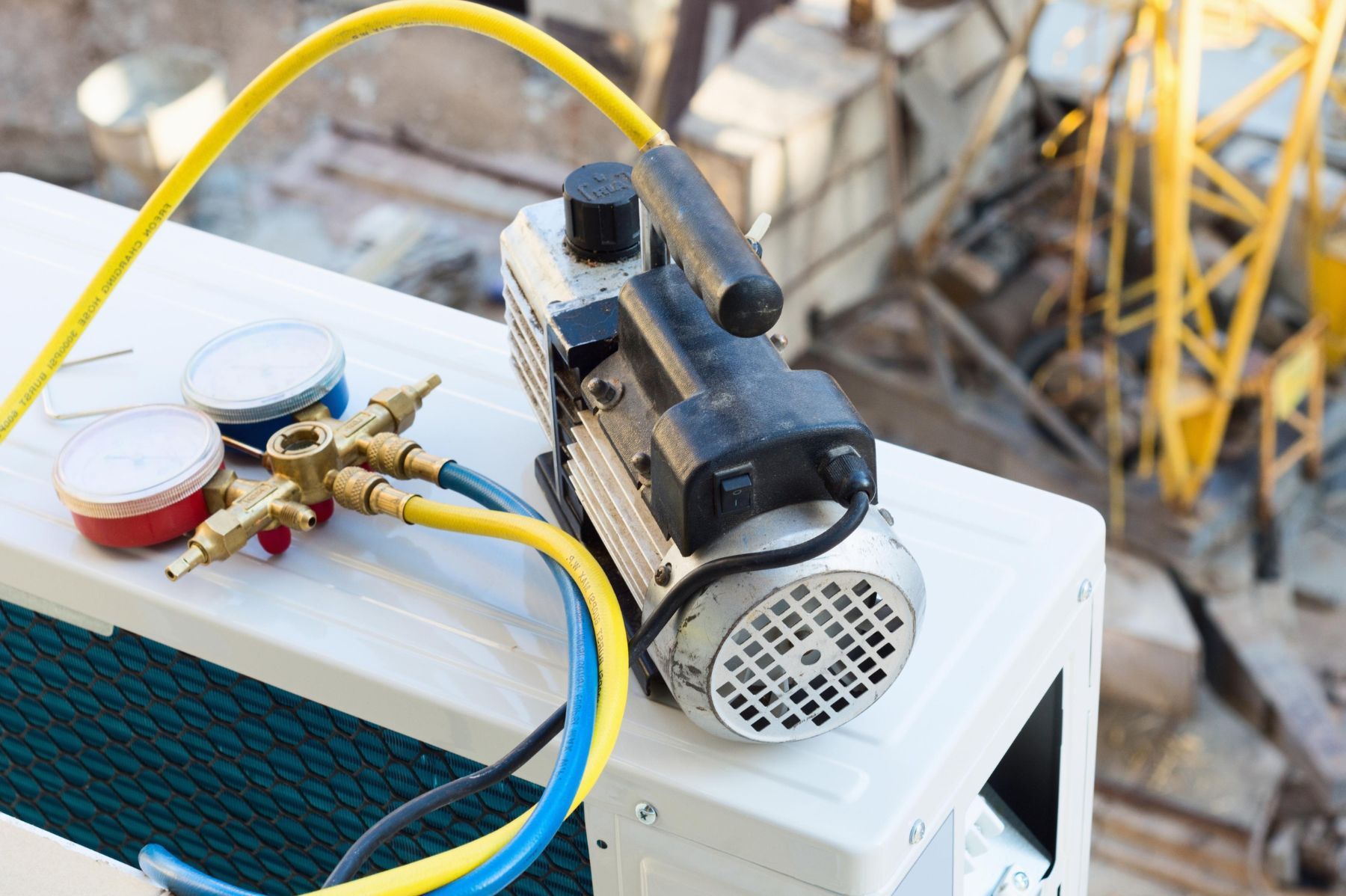
- Contractor Tools and Equipment: Often written as an inland marine or equipment floater, this covers portable tools, gauges, recovery machines, and sometimes larger units while in transit or on job sites.
- Professional or Errors and Omissions Liability: Addresses claims alleging design errors, incorrect sizing, or configuration mistakes that cause performance problems or higher utility bills.
- Commercial Property and Business Interruption: Protects offices, warehouses, and inventory and can help replace income if a fire or other covered event shuts down operations.
- Umbrella or Excess Liability:
Adds another layer of protection above general liability, auto, and sometimes employers liability when a claim exceeds standard policy limits.
| Coverage Area | Typical Basic Protection | Stronger Option For LA Contractors |
|---|---|---|
| Liability Limits | Minimum required for licensing or small residential jobs | Higher limits that satisfy commercial contracts and large property managers |
| Equipment | Limited tools coverage under property policy, if any | Dedicated contractor equipment form with theft, transit, and job site protection |
| Auto | Liability only for older vans and trucks | Combined liability and physical damage with rental reimbursement for key vehicles |
| Workers Compensation | Basic statutory limits and minimal safety planning | Enhanced coverage paired with formal safety programs and return to work strategies |
| Project Requirements | Generic certificate of insurance without endorsements | Customized endorsements to meet specific GC and owner contract clauses |
Reputation, Customer Trust, And How Insurance Fits In
In Los Angeles, reputation travels quickly. Property managers compare notes, homeowners read online reviews, and general contractors pay attention to which subs cause headaches. Insurance may not be the first thing prospects ask about on the phone, but it becomes very visible when a certificate is needed for building access, a claim arises, or a project owner wants proof that they are listed as additional insured.
Research into homeowner behavior shows how much trust shapes contractor selection. A recent survey reported that 73 percent of homeowners now pick their HVAC contractor based on previous experience. That could mean a past job with the same company, a referral from a neighbor, or strong online ratings. Handling claims respectfully, responding quickly when something goes wrong, and having insurance that pays valid losses instead of fighting every issue all feed directly into that experience.
Customers also expect transparency. Many HVAC contractors now include proof of insurance on their websites or send certificates as part of the proposal package. Clear communication about coverage does two things at once. It reassures the customer that the company takes responsibility seriously and it filters out clients who might otherwise try to push unfair liability onto the contractor via contract language or unrealistic expectations when projects change.
Insurance Needs For Small Vs Large HVAC Companies
Small HVAC businesses in Los Angeles often grow quickly. A one person shop becomes a crew with a few technicians and a dispatcher, then expands again into light commercial projects or maintenance contracts. At each stage, insurance should be recalibrated. What worked for a single service van does not always protect a company running multiple crews on different sides of the city.
Larger mechanical contractors have a different challenge. They face higher project values, stricter contractual risk transfer, and a much bigger target if a mistake affects an entire building system. Many of those firms work heavily with energy efficient and advanced controls technology. Industry data shows that energy efficient HVAC systems now account for 58 percent of new installations. That shift increases the importance of professional liability coverage, commissioning documentation, and clear handoff procedures, because performance complaints can turn into expensive disputes.
For both small and large HVAC companies, the key is aligning limits and coverage types with the actual work performed. A company that only handles basic change outs in single family homes does not face the same exposure as a contractor engineering systems for hospitals or data centers. Yet both can be hit hard by a water damage claim, a vehicle accident on a crowded freeway, or an employee injury on a crowded roof. Regular insurance reviews as the business grows or pivots into new types of work are essential.
- Smaller contractors should focus on getting core protections in place, even at modest limits, and avoiding coverage gaps that could bankrupt the business after one serious claim.
- Mid sized and larger firms often benefit from higher liability limits, project specific endorsements, and closer attention to professional liability and pollution exposures.
- All contractors should tighten contracts, document jobs thoroughly, and make sure certificates accurately reflect the work and the promises made to clients.
Keeping Premiums Manageable And Claims Under Control
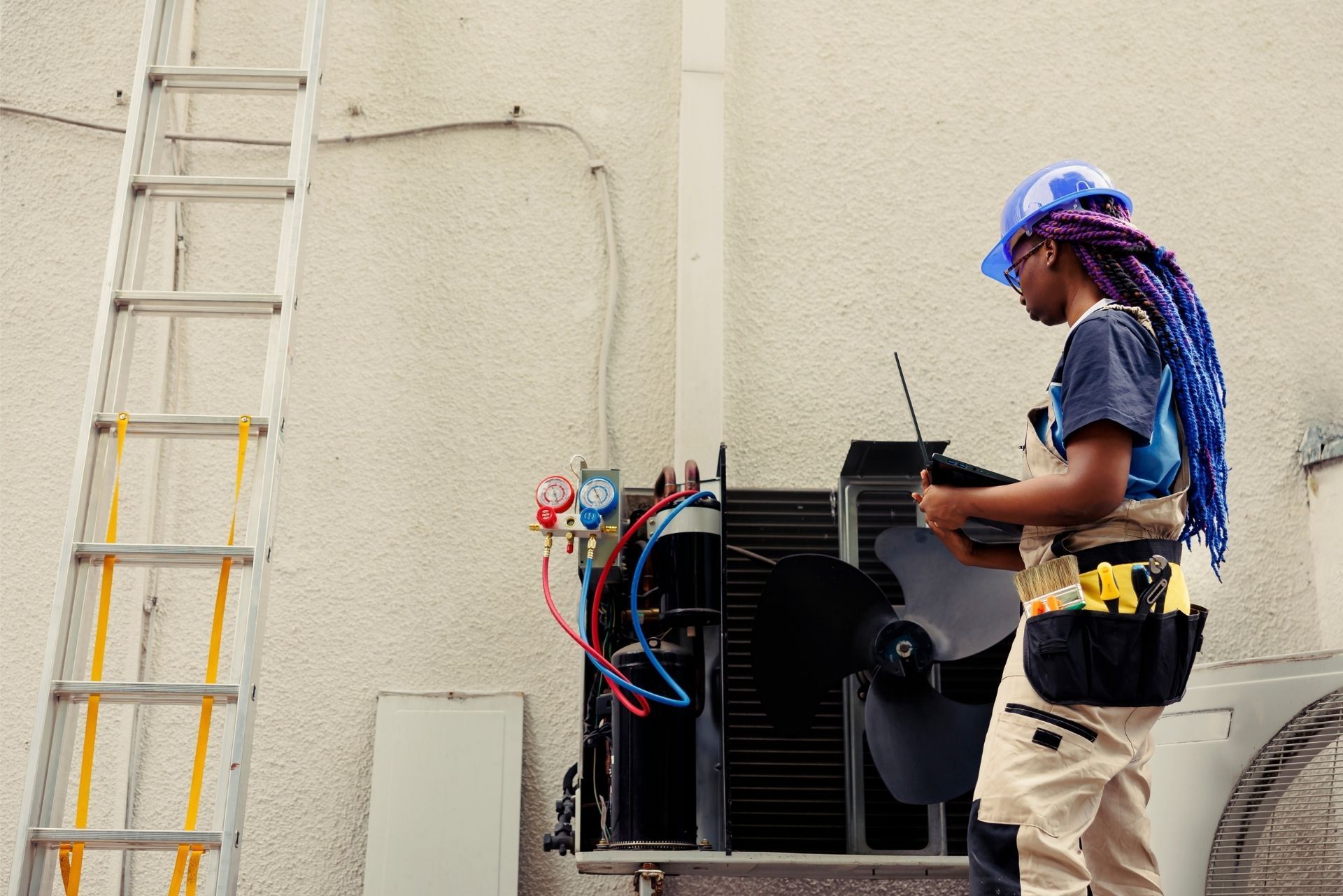
Insurance costs are one more line item in an already tight budget that includes fuel, materials, permits, and payroll. In Los Angeles, where operating costs trend higher, HVAC contractors feel every premium increase. The most reliable way to keep pricing stable over time is to reduce the frequency and severity of claims. Insurers respond to clean loss histories and well documented safety practices, especially in trades like HVAC that involve a mix of driving, lifting, hot work, and electrical exposure.
Investing in training is one of the highest value steps a contractor can take. Clear procedures for handling refrigerants, charging systems, protecting customer property, and securing job sites after hours shrink the chance of claims. Simple habits, such as photographing pre existing conditions, using protective drop cloths and floor coverings, and labeling shut off points, can make the difference between a satisfied client and a formal complaint after an incident.
Fleet management is another major factor. Many HVAC claims involve vehicle accidents, tools stolen from trucks, or damage to equipment in transit. Tracking driving records, using checklists for vehicle inspections, and setting expectations around phone use behind the wheel can all support a better insurance outcome. For larger fleets, telematics and routing software often pay for themselves through reduced accidents and fuel costs, which then feed back into fewer losses and more competitive auto insurance terms.
- Review safety procedures at least once a year and after any significant incident.
- Encourage employees to report near misses so hazards can be fixed before they cause injuries or damage.
- Maintain equipment to manufacturer standards to avoid preventable failures that could trigger claims.
- Document everything on larger projects, from change orders to commissioning tests, to protect against disputes.
Frequently Asked Questions About HVAC Contractor Insurance In Los Angeles
Contractors often share similar questions when they start comparing insurance options or preparing for renewals. These brief answers focus on the most common concerns for HVAC companies operating in the Los Angeles area.
Is general liability insurance required for HVAC contractors in Los Angeles?
General liability coverage is effectively mandatory if a contractor wants to work for reputable property managers, builders, or commercial clients. Even when it is not explicitly required by law, most customers and many licensing situations expect proof of liability insurance before work begins.
Do I need workers compensation if I only use subcontractors?
Relying only on subcontractors does not automatically eliminate the need for workers compensation coverage. If a subcontractor is uninsured, misclassified, or injured on a project, the HVAC company at the top of the contract chain can still end up responsible for medical costs and lost wages.
What type of insurance covers my tools and portable equipment?
Small tools and portable HVAC equipment are usually covered under a contractor tools or inland marine policy. This type of coverage follows the gear to job sites and in transit, which is where most thefts and accidental damage occur.
Does professional liability really matter for HVAC contractors?
Professional liability, sometimes called errors and omissions, matters whenever a contractor designs, sizes, or specifies systems. Claims arising from poor performance, comfort issues, or unexpected utility bills often allege that the design or recommendations were flawed even if the physical installation was correct.
How much liability insurance should a small HVAC company carry?
The right limit depends on the types of projects handled, the value of the properties involved, and what customers require in contracts. Many small contractors start with modest limits and then increase them as they move into commercial work or secure larger service agreements.
Will one claim make my insurance unaffordable?
A single claim rarely destroys insurability by itself, especially if it is handled promptly and transparently. Repeated or severe claims, poor documentation, and safety issues are what usually drive big premium jumps or coverage restrictions.
How often should I review my insurance program?
Contractors should review their coverage at least once every policy year, or any time they add new services, expand into new project types, or see a significant change in payroll, fleet size, or revenue.
Before You Go: Building The Right Protection For Your LA HVAC Business
Los Angeles offers HVAC contractors a deep pool of potential customers, from aging homes that need efficiency upgrades to commercial properties competing on comfort and sustainability. That opportunity comes with exposures that can be unforgiving. Property values are high, projects are complex, and clients are vocal when something goes wrong. A tailored insurance program gives contractors room to operate confidently, whether they are sending out their first service van or coordinating crews on multiple high profile sites.
Industry analysts warn that the HVAC trade is already grappling with a projected
shortage of 225,000 HVAC technicians by 2025, which only magnifies the impact when accidents or injuries sideline key people. Protecting the business now with carefully chosen liability, property, auto, workers compensation, and professional coverage is not just about surviving a worst case event. It is about preserving the capacity to serve customers, compete for contracts, and grow in one of the most demanding HVAC markets in the country.
Recognized by National HVAC Trade Associations
These trusted organizations set best practices and standards that carriers rely on when underwriting HVAC risks.
Membership signifies adherence to HVAC industry standards and contractor best practices.
Coverage for Crews, Vehicles, and Tools
Insurance for HVAC Contractors
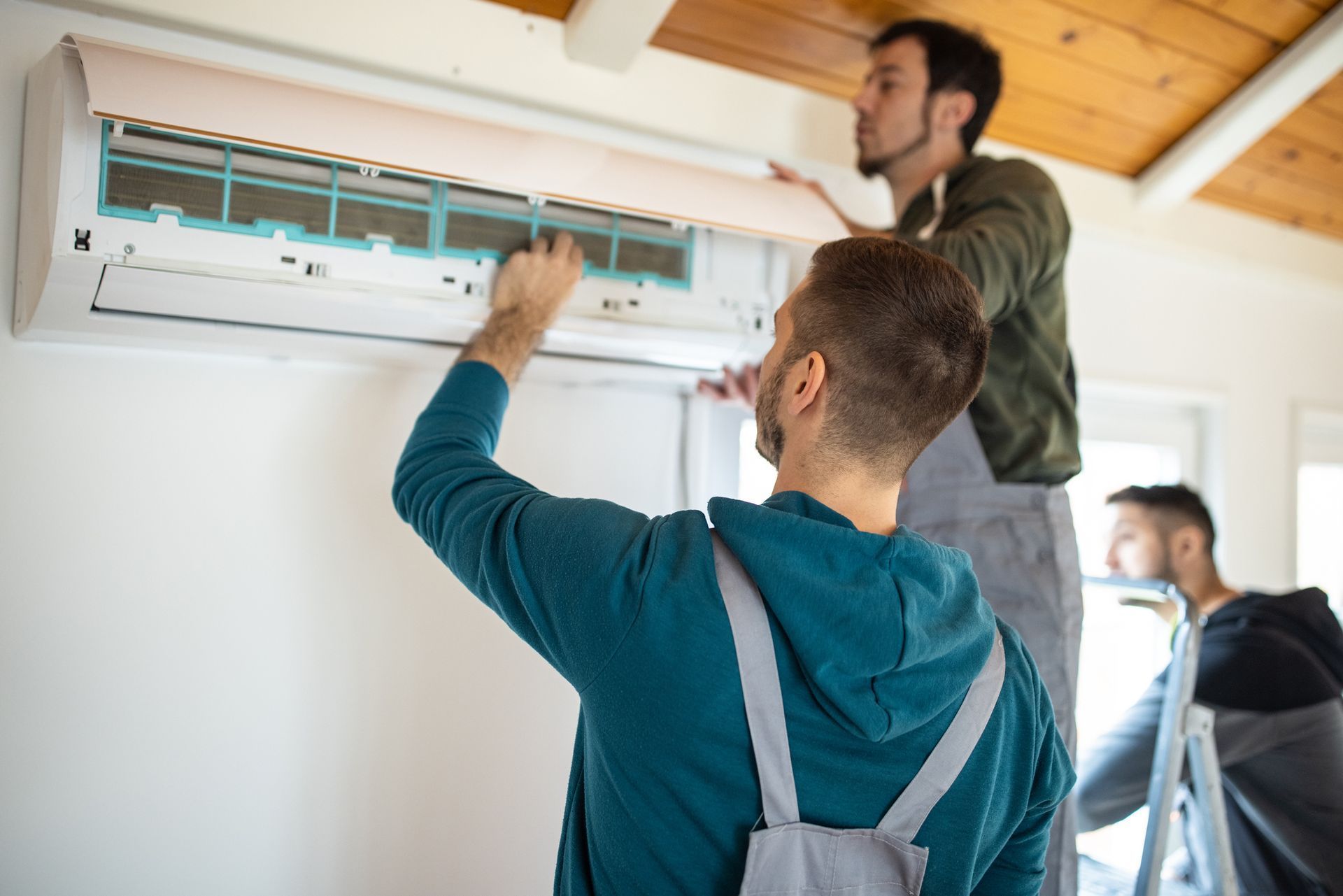
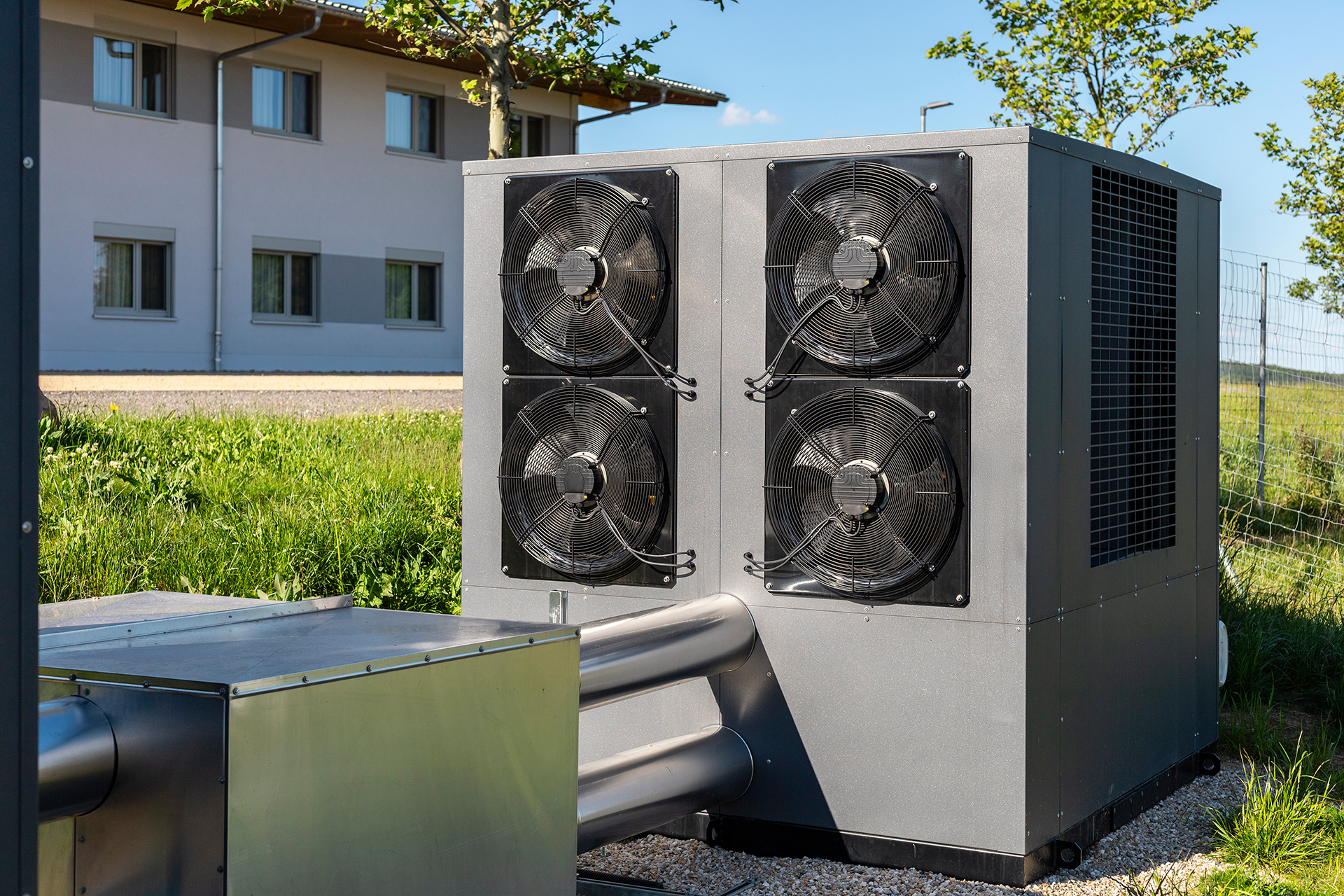
We provide business insurance designed for HVAC contractors. These policies protect your crew, vehicles, and tools while helping you meet project requirements. Every policy is explained clearly and delivered quickly so you can work without delays.

Resources
Insurance Tips for HVAC Contractors
Our blog is built for contractors who want fast answers. Each article covers common questions and risks in under five minutes of reading.


Frequently Asked Question
Common HVAC Contractor Insurance Questions
These FAQs address common contractor questions. As HVACInsure grows, we will update this section with real client experiences and answers.
Why should an HVAC contractor use HVACInsure instead of a general agency?
Specialists understand jobsite requirements, certificate wording, and common endorsements for HVAC work. You get cleaner paperwork, faster approvals, and coverage that fits how your crews operate.
This reduces delays at the gate, avoids gaps, and helps you pass compliance checks the first time.
How fast can I get a Certificate of Insurance (COI)?
Most standard COIs are issued the same business day after binding or updates. If you need additional insured, primary/non-contributory, or waiver language, we prepare it correctly the first time.
Our goal is simple: get your crew on site without paperwork delays.
What coverages do HVAC contractors usually need?
Core policies include General Liability, Commercial Auto, Workers’ Comp, Property/Tools, Inland Marine, and Umbrella. Many projects require higher limits and specific endorsements.
We align your coverage with contract terms and explain each choice in plain language.
Will my tools and scheduled equipment be covered in vans or on jobsites?
Yes. Inland Marine (tools and equipment) can cover items in transit, stored in vehicles, or staged on site.
High-value items can be scheduled, and limits can match your daily field use to keep work moving.
Can I lower my premium without weakening protection?
Often, yes. Clean driver lists, accurate payrolls, safety programs, and bundling policies can help.
We review your profile, request carrier credits, and adjust limits and deductibles to control cost while meeting project requirements.
What should I do after a loss?
Contact us right away so we can file with the correct carrier and set expectations. We guide documentation, next steps, and follow-ups until closure.
Fast reporting and clear records help resolve claims sooner and keep your team focused on work.

Still have questions?
Can’t find the answer you’re looking for? Please chat to our friendly team!
Contact Us