Commercial tenants invest substantial capital into climate control systems that transform raw leased space into
functional business environments. A restaurant installing a $45,000 commercial kitchen ventilation system or a data center adding $200,000 in precision cooling equipment faces a critical question: what happens if this equipment is damaged or destroyed?
Standard commercial property policies often leave gaps that can expose tenants to catastrophic losses. Understanding HVAC leasehold improvement insurance coverage requires examining how these systems are classified, who bears responsibility for them, and which policy types actually protect your investment. The distinction between building systems and tenant improvements determines everything from claim eligibility to coverage limits, and getting this classification wrong can mean the difference between full replacement cost recovery and paying out of pocket for equipment you cannot operate without.
Defining HVAC Systems as Leasehold Improvements
The classification of heating, ventilation, and air conditioning equipment within commercial leases creates immediate insurance implications. A system that qualifies as a leasehold improvement receives different treatment than equipment classified as tenant personal property or building infrastructure.
Distinguishing Between Building Systems and Tenant Improvements
Base building HVAC systems typically include the original equipment installed by the landlord to provide standard climate control throughout the property. These systems serve the building's general occupancy needs and remain the landlord's responsibility to insure. Tenant improvements, by contrast, include any HVAC modifications or additions you make to customize the space for your specific operations.
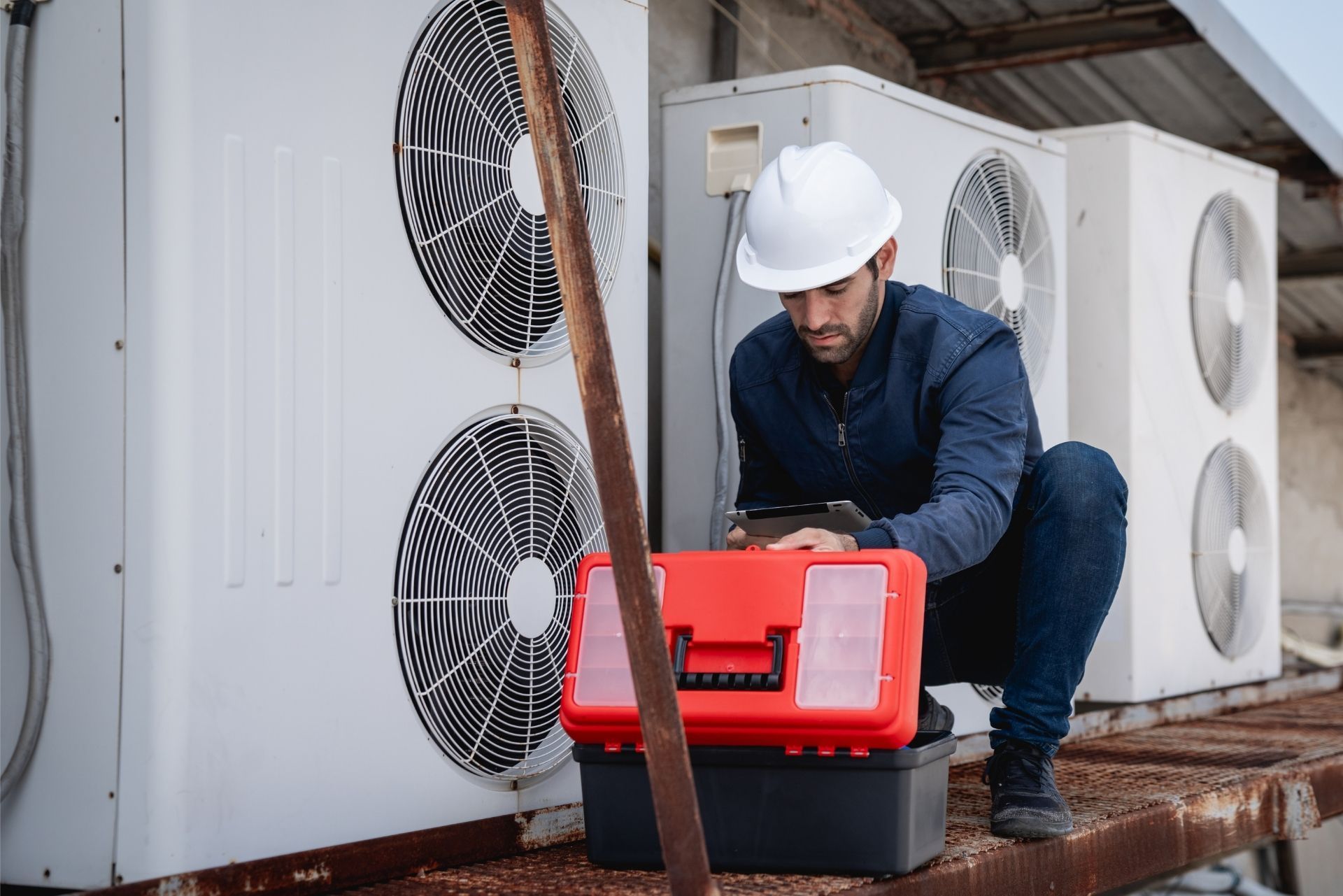
Examples of tenant HVAC improvements include supplemental cooling units for server rooms, specialized exhaust systems for commercial kitchens, humidity control equipment for pharmaceutical storage, and upgraded thermostats or zone controls. The physical attachment method matters significantly: equipment bolted to floors or connected to building ductwork generally becomes part of the leasehold improvement, while portable units may remain classified as business personal property.
Ownership and Responsibility Under Commercial Leases
Your lease agreement dictates who owns HVAC improvements upon installation and who must insure them. Triple-net leases often shift all improvement insurance responsibility to tenants, while gross leases may include some coverage through landlord policies. Review the "alterations and improvements" clause carefully, as it typically specifies whether installed equipment becomes landlord property or remains yours.
Many leases require tenants to carry specific coverage amounts for improvements, with the landlord named as an additional insured or loss payee. Failure to maintain required coverage can constitute a lease default, creating
legal exposure beyond just the uninsured loss itself.
HVACInsure is fully licensed and permitted to sell contractor and commercial insurance in Texas.
We proudly serve clients throughout Texas and maintain partnerships with local Texas insurance carriers to ensure HVAC professionals receive compliant, affordable, and comprehensive coverage that meets project and regulatory requirements.
Essential Insurance Coverage Types for HVAC Units
Protecting HVAC leasehold improvements requires layering multiple coverage types, as no single policy addresses all potential loss scenarios. Each coverage type responds to different perils and operates under distinct conditions.
Commercial Property Insurance and Replacement Cost
Commercial property policies cover HVAC improvements against external perils including fire, windstorm, vandalism, and water damage from burst pipes. The critical policy distinction lies between actual cash value and replacement cost coverage. Actual cash value deducts depreciation, meaning a 10-year-old rooftop unit valued at $30,000 when new might pay only $12,000 after depreciation calculations.
Replacement cost coverage pays to replace damaged equipment with new units of similar kind and quality, without depreciation deductions. For HVAC systems with 15 to 20-year lifespans, this difference can represent tens of thousands of dollars on a single claim. Ensure your policy specifically lists leasehold improvements as covered property, as some forms exclude tenant-installed equipment unless explicitly scheduled.
Equipment Breakdown Coverage for Mechanical Failure
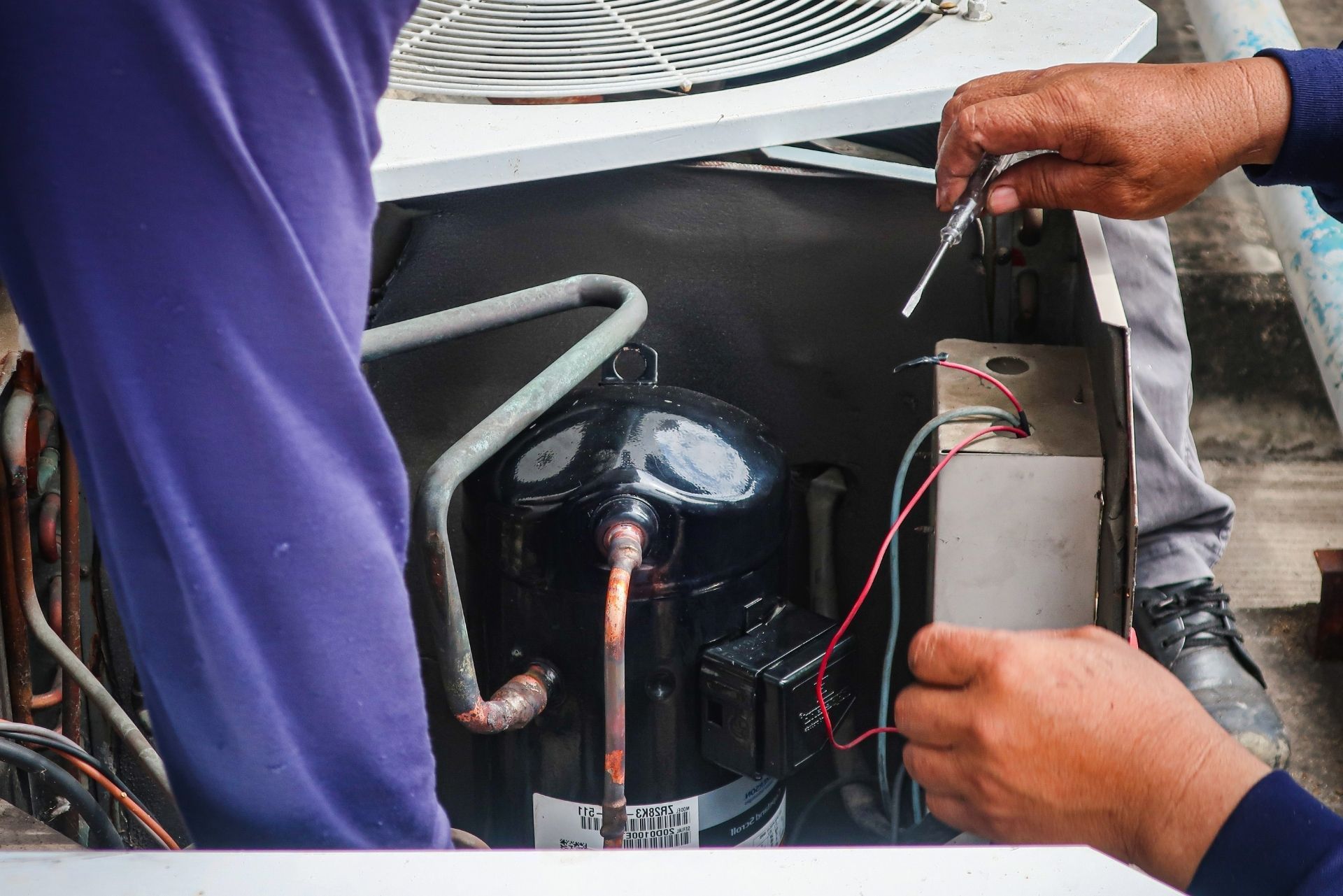
Standard property policies exclude mechanical breakdown, meaning internal failures like compressor burnout, motor winding failure, electrical arcing, or
control board malfunctions receive no coverage.
Equipment breakdown insurance, sometimes called boiler and machinery coverage, fills this gap by covering sudden and accidental breakdown from internal causes.
| Coverage Type | Covered Perils | Excluded Causes |
|---|---|---|
| Commercial Property | Fire, wind, vandalism, water damage | Mechanical failure, wear and tear |
| Equipment Breakdown | Both external and internal causes | External perils, operator error, gradual deterioration |
| Combined Policy | Both external and internal causes | Inherent vice, intentional damage |
Equipment breakdown policies typically exclude failures resulting from operator error, lack of maintenance, or gradual deterioration. A compressor that fails due to refrigerant starvation from a slow leak may face claim denial if maintenance records show missed inspections.
Business Interruption Insurance for Climate-Critical Operations
HVAC failure in climate-sensitive operations creates losses far exceeding equipment repair costs. A cold storage facility losing refrigeration faces spoilage claims potentially reaching $500,000 or more in inventory losses. Business interruption coverage replaces lost income and covers continuing expenses during the restoration period.
Most business interruption policies impose waiting periods of 24 to 48 hours before coverage begins, meaning short-term failures may not trigger payment. The coverage period extends until operations resume or until the time reasonably required to restore operations, whichever comes first. Expediting expenses coverage can pay premium costs to accelerate repairs, including overtime labor charges running $150 to $300 per hour, air freight for parts at two to three times standard shipping costs, and emergency service call premiums.
Assessing Risks and Determining Coverage Limits
Setting appropriate coverage limits requires detailed analysis of replacement costs, installation expenses, and regulatory compliance requirements. Underinsurance remains the most common coverage gap, often discovered only after a loss occurs.
Evaluating Installation Costs and Labor Expenses
HVAC replacement costs extend far beyond equipment purchase prices. A $25,000 commercial rooftop unit may require $15,000 in crane rental, rigging, and installation labor. Ductwork modifications, electrical upgrades, and control system integration add further costs. Your coverage limit should reflect the total installed cost, not just equipment value.
Obtain detailed quotes for complete system replacement every two to three years, as construction labor costs and equipment prices fluctuate significantly. Document these quotes and provide them to your insurer to support coverage limit increases. Many policies include inflation guard endorsements that automatically increase limits by 4% to 8% annually, though these adjustments may not keep pace with actual cost increases.
Environmental and Regulatory Compliance Factors
Building codes and environmental regulations change over time, and replacement equipment must meet current standards rather than those in effect when original equipment was installed. A 15-year-old refrigeration system using R-22 refrigerant cannot be replaced in kind, as R-22 production ended in 2020. Replacement requires newer systems using approved refrigerants, often at substantially higher costs.
Ordinance or law coverage pays the additional costs to comply with current building codes during repairs or replacement. Without this coverage, you bear the difference between replacing damaged equipment and upgrading to code-compliant systems. Energy efficiency mandates, seismic bracing requirements, and ventilation standards all create potential compliance gaps.
Successful claims require thorough documentation, prompt notification, and clear understanding of policy procedures. The claims process for HVAC leasehold improvement coverage typically spans two to four weeks for straightforward losses, though complex claims involving multiple parties may extend significantly longer.
Documenting Maintenance Records and Proof of Loss
Insurers scrutinize maintenance history when evaluating HVAC claims, particularly for equipment breakdown coverage. Maintain comprehensive records including quarterly or semi-annual inspection reports from licensed technicians, filter replacement logs with dates and technician signatures, refrigerant charge records showing system pressures, and calibrated thermometer readings demonstrating proper operation.
When loss occurs, document the failure immediately with photographs of the failed equipment, visible damage, and any resulting property damage. Obtain a written diagnostic report from a qualified technician identifying the specific failure mode, whether electrical arcing, phase imbalance, mechanical wear, or external damage. This report forms the foundation of your proof of loss submission.
Coordinating Between Landlord and Tenant Policies
HVAC losses often trigger both landlord and tenant policies, creating coordination challenges. The landlord's building policy may cover base building systems while your policy covers tenant improvements, but determining where one system ends and another begins requires careful analysis.
Notify both your insurer and the landlord immediately upon discovering damage. Request copies of the landlord's relevant policy provisions and loss payee requirements. Some lease agreements require specific claim procedures, including landlord approval before beginning repairs. Failure to follow these procedures can jeopardize both insurance recovery and lease compliance.
Best Practices for Risk Mitigation and Long-Term Protection
Proactive risk management reduces claim frequency and can lower insurance premiums by 10% to 15% through loss control credits. Insurers reward tenants who demonstrate commitment to equipment protection.
Install monitoring systems that provide remote temperature alerts and equipment status notifications. These systems cost $500 to $2,000 for basic configurations and can detect failures before catastrophic loss occurs. Backup power systems, even portable generators capable of running critical HVAC components, demonstrate risk awareness that insurers value.
Schedule annual policy reviews with your insurance advisor to verify coverage limits reflect current replacement costs. Request certificates of insurance from the landlord confirming building policy coverage and ensure your policy coordinates properly with landlord coverage. Maintain copies of all lease provisions related to insurance requirements and improvement ownership.
Frequently Asked Questions
Does my landlord's insurance cover HVAC systems I installed? Landlord policies typically cover only base building systems, not tenant improvements. Your lease likely requires you to insure any HVAC equipment you install, regardless of whether it becomes landlord property upon installation.
What maintenance records do insurers require for equipment breakdown claims? Insurers expect quarterly or semi-annual professional inspections, filter replacement logs, refrigerant charge records, and documentation of any repairs. Missing records can result in claim denial based on failure to maintain equipment properly.
How do I calculate the right coverage limit for my HVAC improvements? Include equipment purchase price, delivery, crane or rigging costs, installation labor, ductwork modifications, electrical work, permits, and control system integration. Obtain professional replacement quotes every two to three years.
Are portable HVAC units covered differently than permanent installations? Portable units typically classify as business personal property rather than leasehold improvements. This distinction affects which policy section responds and may impact coverage limits and deductibles.
What is the typical waiting period for business interruption coverage? Most policies impose 24 to 48-hour waiting periods before business interruption coverage begins. Losses occurring within this window receive no income replacement, though property damage coverage still applies.
Protecting HVAC leasehold improvements demands attention to lease requirements, policy coordination, and documentation practices. Review your current coverage against actual replacement costs, verify equipment breakdown coverage exists for mechanical failures, and confirm business interruption limits match your exposure during extended outages. The investment in proper HVAC leasehold improvement insurance coverage protects not just equipment value but the operational continuity your business depends upon. Contact your insurance advisor to schedule a coverage review before your next policy renewal.

About The Author: James Jenkins
I’m James Jenkins, Founder and CEO of HVACInsure. I work with HVAC contractors and related trades to simplify insurance and make coverage easier to understand. Every day, I help business owners secure reliable protection, issue certificates quickly, and stay compliant so their teams can keep working safely and confidently.
Recognized by National HVAC Trade Associations
These trusted organizations set best practices and standards that carriers rely on when underwriting HVAC risks.
Membership signifies adherence to HVAC industry standards and contractor best practices.
Coverage for Crews, Vehicles, and Tools
Insurance for HVAC Contractors
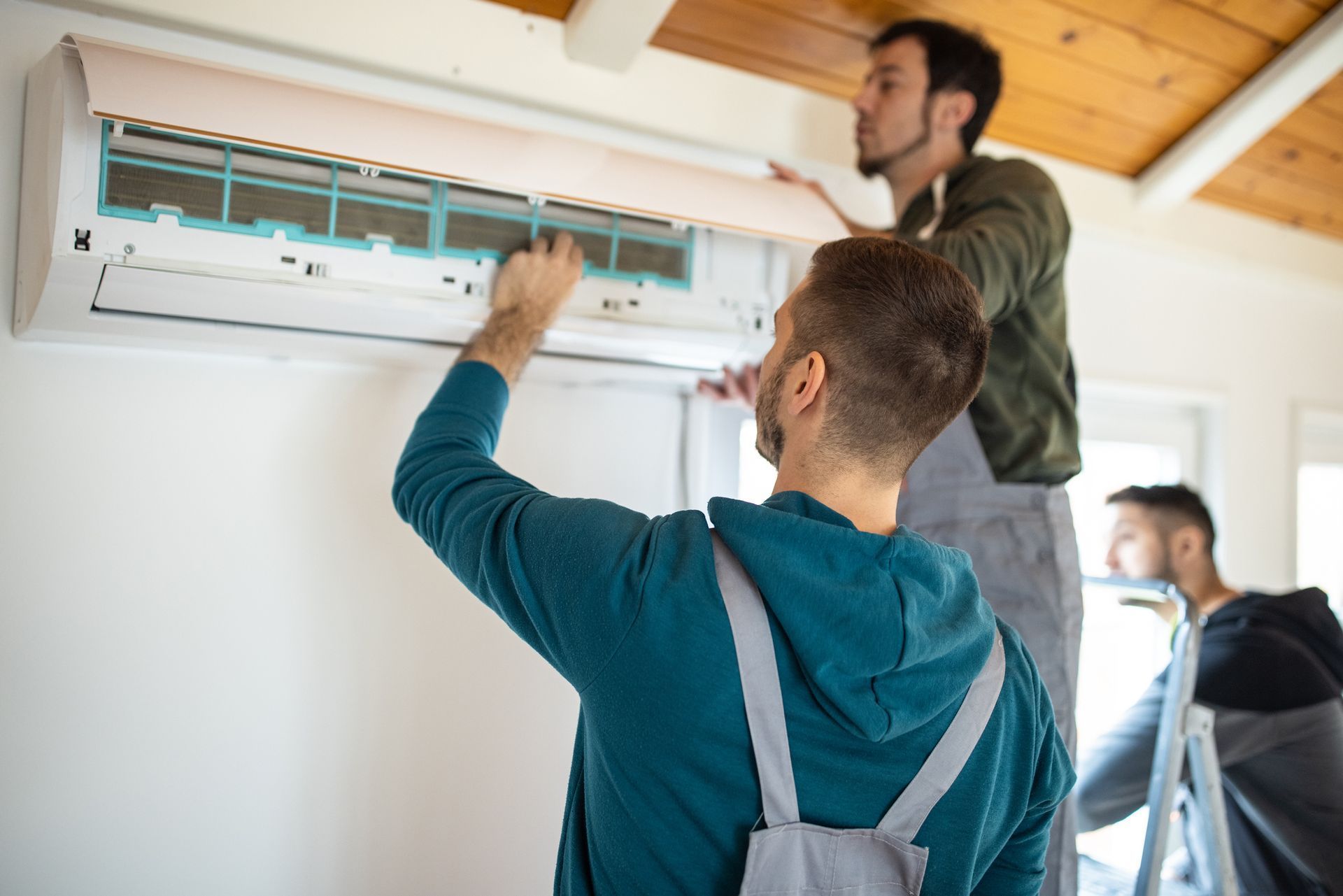
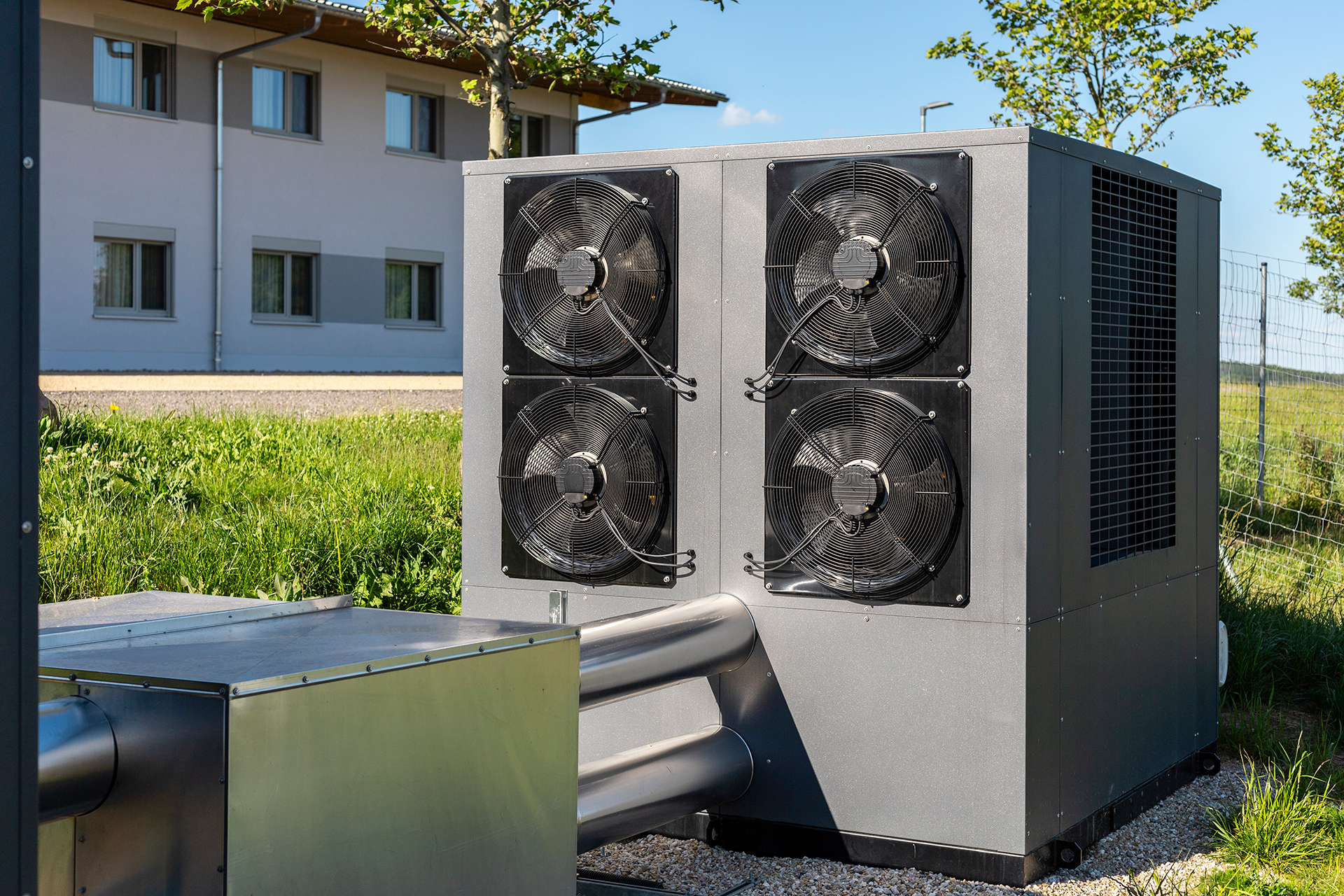
We provide business insurance designed for HVAC contractors. These policies protect your crew, vehicles, and tools while helping you meet project requirements. Every policy is explained clearly and delivered quickly so you can work without delays.
Resources
Insurance Tips for HVAC Contractors
Our blog is built for contractors who want fast answers. Each article covers common questions and risks in under five minutes of reading.



Frequently Asked Question
Common HVAC Contractor Insurance Questions
These FAQs address common contractor questions. As HVACInsure grows, we will update this section with real client experiences and answers.
Why should an HVAC contractor use HVACInsure instead of a general agency?
Specialists understand jobsite requirements, certificate wording, and common endorsements for HVAC work. You get cleaner paperwork, faster approvals, and coverage that fits how your crews operate.
This reduces delays at the gate, avoids gaps, and helps you pass compliance checks the first time.
How fast can I get a Certificate of Insurance (COI)?
Most standard COIs are issued the same business day after binding or updates. If you need additional insured, primary/non-contributory, or waiver language, we prepare it correctly the first time.
Our goal is simple: get your crew on site without paperwork delays.
What coverages do HVAC contractors usually need?
Core policies include General Liability, Commercial Auto, Workers’ Comp, Property/Tools, Inland Marine, and Umbrella. Many projects require higher limits and specific endorsements.
We align your coverage with contract terms and explain each choice in plain language.
Will my tools and scheduled equipment be covered in vans or on jobsites?
Yes. Inland Marine (tools and equipment) can cover items in transit, stored in vehicles, or staged on site.
High-value items can be scheduled, and limits can match your daily field use to keep work moving.
Can I lower my premium without weakening protection?
Often, yes. Clean driver lists, accurate payrolls, safety programs, and bundling policies can help.
We review your profile, request carrier credits, and adjust limits and deductibles to control cost while meeting project requirements.
What should I do after a loss?
Contact us right away so we can file with the correct carrier and set expectations. We guide documentation, next steps, and follow-ups until closure.
Fast reporting and clear records help resolve claims sooner and keep your team focused on work.

Still have questions?
Can’t find the answer you’re looking for? Please chat to our friendly team!
Contact Us