A single compressor failure at 2 a.m. can destroy $200,000 worth of pharmaceutical inventory before your client's staff arrives for the morning shift. For HVAC contractors specializing in cold storage and walk-in freezer installations, this scenario represents just one of dozens of liability exposures that standard insurance policies fail to address. The specialized nature of refrigeration work creates a risk profile that demands equally specialized coverage, and contractors who rely on generic policies often discover gaps only after a catastrophic claim.
Cold storage and walk-in freezer liability insurance for HVAC contractors must account for the unique intersection of mechanical complexity, temperature-sensitive inventory, and regulatory compliance that defines this trade. Your work directly protects perishable goods worth millions, and when systems fail, the financial consequences cascade rapidly. A restaurant losing a weekend's worth of prep inventory differs fundamentally from a pharmaceutical distributor losing temperature-controlled biologics, yet both scenarios trace back to your installation or service work.
The stakes extend beyond immediate property damage. Regulatory violations, environmental contamination from refrigerant leaks, and business interruption claims can multiply initial losses exponentially. Understanding these exposures and securing appropriate coverage separates thriving contractors from those bankrupted by a single claim.
Core Liability Risks in Cold Storage Construction
General Liability for Site Operations
Construction sites present immediate hazards that general liability policies are designed to address. During cold storage installation, your crew works with heavy equipment, electrical systems, and structural modifications that create exposure to third-party injuries and property damage. A dropped compressor unit that damages a client's existing equipment or a subcontractor injured by your scaffolding triggers claims against your policy.
General liability covers bodily injury and property damage occurring during active work. Coverage limits typically range from $1 million per occurrence to $2 million aggregate, though cold storage projects involving high-value facilities may require $5 million or more. Your policy should specifically address operations in occupied buildings, since many cold storage installations occur within functioning warehouses or food processing facilities.
Professional Liability for Thermal Design Errors
When you specify equipment capacity, design refrigeration layouts, or recommend insulation systems, you assume professional liability for those decisions. A walk-in freezer designed for -10°F that cannot maintain temperature below 5°F represents a design error with direct financial consequences. Professional liability, sometimes called errors and omissions coverage, protects against claims arising from faulty specifications, incorrect calculations, or inadequate system design.
This coverage becomes critical when your scope includes engineering calculations or equipment selection. Policies typically carry deductibles between $2,500 and $10,000, with coverage limits matching your general liability. Claims often emerge months after project completion, making the extended reporting period provisions essential to review before purchasing.
Completed Operations and Construction Defects
The completed operations portion of your general liability policy covers claims arising after you finish a project and leave the site. For cold storage contractors, this exposure persists for years. Improper brazing that causes a refrigerant leak eighteen months after installation, or inadequate vapor barrier installation that leads to ice accumulation and structural damage, both fall under completed operations coverage.
Construction defect claims in cold storage work frequently involve consequential damages exceeding the original contract value. A $75,000 freezer installation that fails and destroys $400,000 in stored product creates liability far beyond the project scope. Your policy must include completed operations coverage with limits sufficient to address these consequential losses.
HVACInsure is fully licensed and permitted to sell contractor and commercial insurance in Texas.
We proudly serve clients throughout Texas and maintain partnerships with local Texas insurance carriers to ensure HVAC professionals receive compliant, affordable, and comprehensive coverage that meets project and regulatory requirements.
Protecting High-Value Specialized Equipment
Inland Marine Insurance for Tools and Materials
Refrigeration equipment represents substantial capital investment that moves between job sites, warehouses, and vehicles. Inland marine insurance covers this mobile property against theft, damage, and loss during transit. A cargo van containing $45,000 in copper tubing, gauges, and vacuum pumps stolen from a job site parking lot would devastate an uninsured contractor.
Coverage should reflect replacement cost rather than actual cash value, since depreciated values rarely cover functional replacement of specialized tools. Policies typically require scheduled equipment lists for items exceeding $5,000, with blanket coverage for smaller tools. Premium costs generally run 1-3% of total equipment value annually.
Installation Floaters for Refrigeration Systems
Installation floaters protect equipment and materials during the installation process, covering the period between delivery to the job site and final acceptance by the client. A compressor rack damaged by water intrusion during a roofing project occurring simultaneously at the site would be covered under an installation floater rather than your general liability policy.
These policies typically cover materials at full invoice value and include coverage for equipment awaiting installation. Limits should match the maximum value of materials and equipment you will have at any single job site, often ranging from $100,000 to $500,000 for commercial cold storage projects.
Coverage for Spoilage and Temperature Fluctuations
Consequential Loss and Business Interruption
Your client's business interruption losses from system failure can dwarf direct property damage. A food distribution center unable to accept shipments loses revenue every hour the cold storage remains offline. While your client's own business interruption policy provides primary coverage, claims frequently pursue the contractor whose work allegedly caused the failure.
Spoilage coverage within your liability policy addresses third-party inventory losses resulting from your work. Coverage limits should reflect the maximum inventory value your clients store, with pharmaceutical and biotech clients requiring limits of $1 million or more. Documentation requirements typically include calibrated thermometer readings, photographs of failed equipment, and written diagnostic reports from technicians.
Third-Party Property Damage from System Failure
System failures damage more than stored inventory. Condensation from a malfunctioning evaporator can destroy ceiling tiles, electrical systems, and adjacent merchandise. Ice buildup from improper defrost cycles damages flooring and structural components. These third-party property damage claims fall under your general liability coverage but require sufficient limits to address cascading damage.
| Coverage Type | Typical Limits | Primary Protection |
|---|---|---|
| General Liability | $1M-$5M per occurrence | Third-party property damage |
| Professional Liability | $1M-$2M | Design and specification errors |
| Spoilage Coverage | $500K-$2M | Inventory losses from system failure |
| Completed Operations | Included in GL | Post-completion defects |
Environmental and Pollution Liability
Ammonia and Refrigerant Leakage Risks
Industrial cold storage systems frequently use ammonia refrigerants, creating significant environmental and safety hazards. An ammonia release can injure workers, evacuate buildings, and trigger EPA enforcement actions. Standard general liability policies exclude pollution events, leaving contractors exposed to cleanup costs, medical claims, and regulatory penalties.
Pollution liability coverage specifically addresses refrigerant releases, including ammonia, R-410A, and legacy refrigerants like R-22. Policies cover cleanup costs, third-party bodily injury, and defense costs for regulatory proceedings. Given that ammonia system repairs can involve quantities exceeding 500 pounds, the potential exposure justifies dedicated pollution coverage.
Clean-up Costs and Regulatory Fines
EPA regulations governing refrigerant handling impose strict liability for improper releases. Fines for venting refrigerants can reach $44,539 per day per violation under current enforcement guidelines. Pollution liability policies cover defense costs and, in some cases, regulatory penalties, though coverage for intentional violations remains excluded.
Cleanup costs for significant refrigerant releases range from $15,000 for contained incidents to $200,000 or more for releases requiring building evacuation and professional remediation. Your policy should include coverage for emergency response costs and third-party cleanup contractors.
Workers' Compensation for Harsh Environments
Managing Cold Stress and Frostbite Hazards
Workers in cold storage environments face occupational hazards absent from standard HVAC work. Frostbite, hypothermia, and cold stress injuries occur when employees work extended periods in sub-zero conditions. Workers' compensation claims for cold-related injuries often involve permanent disability, with frostbite causing lasting nerve damage and reduced dexterity.
Your workers' compensation policy must reflect these elevated risks. Experience modification rates for cold storage contractors typically run 10-25% higher than standard HVAC operations. Implementing documented safety protocols, including mandatory warming breaks, proper PPE requirements, and buddy systems, can reduce both injuries and premium costs over time.
Slip and Fall Risks in Sub-Zero Conditions
Ice accumulation on floors, condensation on door thresholds, and frost on equipment create constant slip hazards. Workers' compensation claims for falls in cold storage environments frequently involve serious injuries, including fractures, head trauma, and back injuries. Average claim costs for slip-and-fall injuries in industrial settings exceed $48,000.
Safety investments directly impact your insurance costs. Anti-slip flooring treatments, proper drainage systems, and documented housekeeping protocols demonstrate risk management that insurers reward with lower premiums. Maintain records of safety training, incident investigations, and corrective actions to support favorable experience modification calculations.
Strategic Risk Management and Policy Optimization
Effective insurance programs for cold storage contractors require coordination between multiple coverage types. Your general liability, professional liability, pollution coverage, and workers' compensation policies should work together without gaps or overlaps that create coverage disputes during claims.
Annual policy reviews should assess coverage limits against current project values and client requirements. A contractor whose largest project five years ago involved a $50,000 walk-in cooler but now installs $500,000 blast freezer systems needs corresponding coverage increases. Document your maximum project values, typical inventory exposures at client sites, and any specialized equipment or refrigerants you handle.
Work with an insurance broker experienced in construction and refrigeration trades. Generic commercial insurance agents often lack familiarity with completed operations exposures, pollution exclusions, and equipment breakdown coverage nuances specific to cold storage work. Request specimen policy language before binding coverage, and verify that exclusions do not eliminate protection for your core operations.
Frequently Asked Questions
What is the typical cost for cold storage liability insurance for HVAC contractors? Annual premiums range from $8,000 to $25,000 depending on revenue, project types, and coverage limits. Contractors working with ammonia systems or pharmaceutical clients pay toward the higher end.
Does general liability cover spoiled inventory if my installation fails? General liability may cover third-party property damage including spoiled inventory, but many policies exclude or sublimit spoilage claims. Verify your policy includes adequate spoilage coverage for your clients' inventory values.
How long after project completion can I face claims? Construction defect claims can emerge 5-10 years after completion depending on state statutes of repose. Maintain completed operations coverage and consider tail coverage if you retire or change carriers.
Are refrigerant leaks covered under standard liability policies? Most general liability policies exclude pollution events, including refrigerant releases. Dedicated pollution liability coverage is necessary for contractors handling significant refrigerant quantities.
What documentation do I need after a system failure claim? Insurers require photographs of failed equipment, calibrated temperature logs, written diagnostic reports, inventory records from the client, and maintenance history. Preserve all documentation immediately after any incident.
Cold storage and walk-in freezer work demands insurance coverage as specialized as the systems you install. Generic policies leave dangerous gaps precisely where your greatest exposures exist. Review your current coverage against the risk categories outlined here, and engage a broker with specific refrigeration industry experience to address any deficiencies. The cost of proper coverage pales against a single uninsured claim that could end your business.

About The Author: James Jenkins
I’m James Jenkins, Founder and CEO of HVACInsure. I work with HVAC contractors and related trades to simplify insurance and make coverage easier to understand. Every day, I help business owners secure reliable protection, issue certificates quickly, and stay compliant so their teams can keep working safely and confidently.
Recognized by National HVAC Trade Associations
These trusted organizations set best practices and standards that carriers rely on when underwriting HVAC risks.
Membership signifies adherence to HVAC industry standards and contractor best practices.
Coverage for Crews, Vehicles, and Tools
Insurance for HVAC Contractors
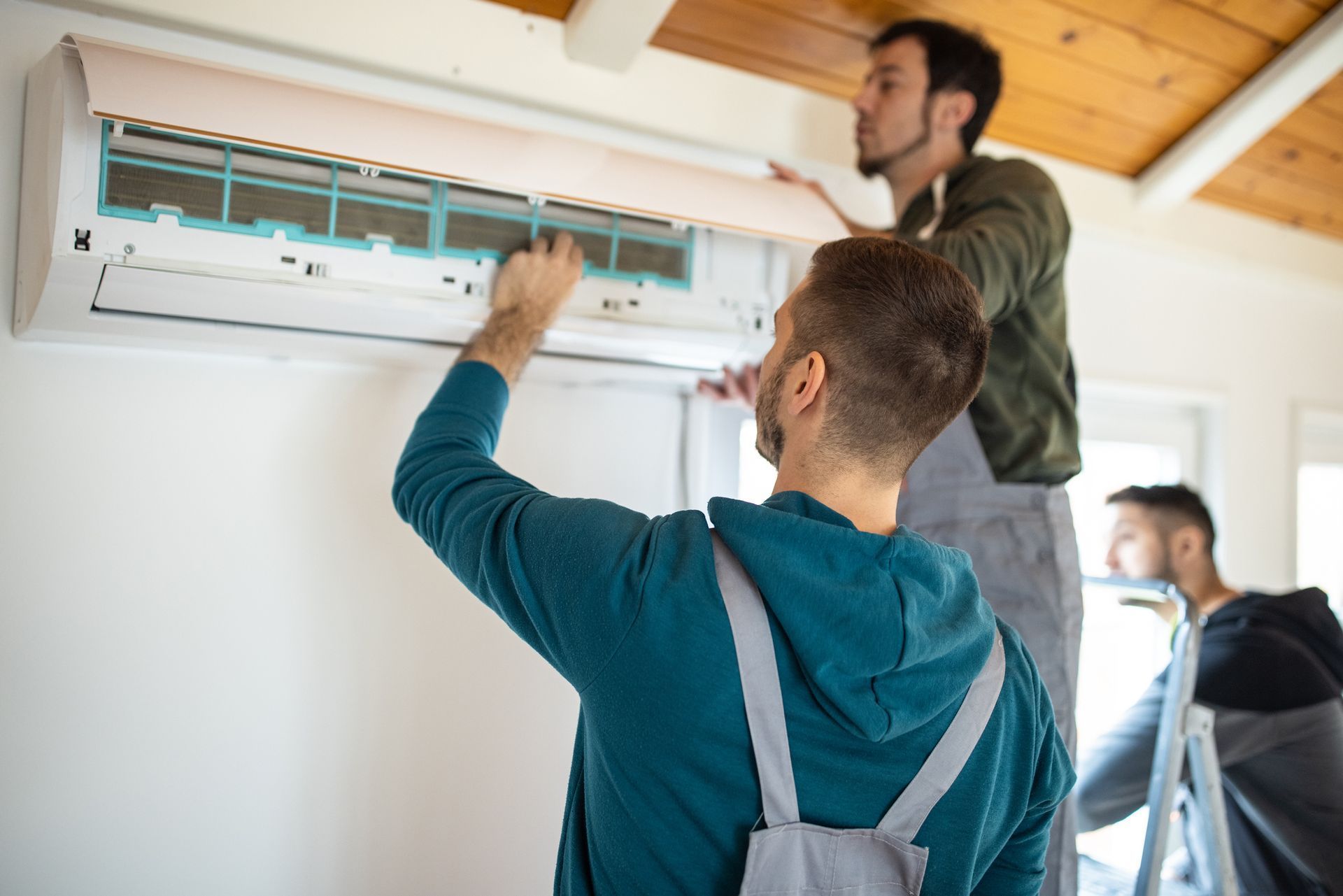
We provide business insurance designed for HVAC contractors. These policies protect your crew, vehicles, and tools while helping you meet project requirements. Every policy is explained clearly and delivered quickly so you can work without delays.
Resources
Insurance Tips for HVAC Contractors
Our blog is built for contractors who want fast answers. Each article covers common questions and risks in under five minutes of reading.



Frequently Asked Question
Common HVAC Contractor Insurance Questions
These FAQs address common contractor questions. As HVACInsure grows, we will update this section with real client experiences and answers.
Why should an HVAC contractor use HVACInsure instead of a general agency?
Specialists understand jobsite requirements, certificate wording, and common endorsements for HVAC work. You get cleaner paperwork, faster approvals, and coverage that fits how your crews operate.
This reduces delays at the gate, avoids gaps, and helps you pass compliance checks the first time.
How fast can I get a Certificate of Insurance (COI)?
Most standard COIs are issued the same business day after binding or updates. If you need additional insured, primary/non-contributory, or waiver language, we prepare it correctly the first time.
Our goal is simple: get your crew on site without paperwork delays.
What coverages do HVAC contractors usually need?
Core policies include General Liability, Commercial Auto, Workers’ Comp, Property/Tools, Inland Marine, and Umbrella. Many projects require higher limits and specific endorsements.
We align your coverage with contract terms and explain each choice in plain language.
Will my tools and scheduled equipment be covered in vans or on jobsites?
Yes. Inland Marine (tools and equipment) can cover items in transit, stored in vehicles, or staged on site.
High-value items can be scheduled, and limits can match your daily field use to keep work moving.
Can I lower my premium without weakening protection?
Often, yes. Clean driver lists, accurate payrolls, safety programs, and bundling policies can help.
We review your profile, request carrier credits, and adjust limits and deductibles to control cost while meeting project requirements.
What should I do after a loss?
Contact us right away so we can file with the correct carrier and set expectations. We guide documentation, next steps, and follow-ups until closure.
Fast reporting and clear records help resolve claims sooner and keep your team focused on work.

Still have questions?
Can’t find the answer you’re looking for? Please chat to our friendly team!
Contact Us