Illinois Building HVAC Controls & Automation Technician Insurance
or call us: 888-862-1202
A misconfigured building automation sequence that overheats a data room, a faulty sensor that freezes a sprinkler line, a software update that locks out an entire floor. For Illinois HVAC controls and automation technicians, these are not abstract possibilities. They are the kind of jobs that can turn into six figure damage claims if something goes wrong. At the same time, the global smart HVAC controls market is projected to grow from 8.3 billion dollars in 2021 to 17.1 billion dollars by 2026, with a 15.6 percent compound annual growth rate, which means the volume and complexity of projects will only keep rising for specialists who work on these systems according to HVACInsure.
Why HVAC Controls And Automation Work Carries Unique Risks
Controls technicians and building automation specialists sit at the intersection of mechanical systems, electrical work, networking, and software. Every project blends physical hardware with programming and integration. That mix creates risk in several directions at once. A mistake might not just damage equipment. It can interrupt operations, violate performance guarantees, or compromise life safety systems that depend on proper ventilation and pressurization.
Many Illinois technicians work inside occupied commercial buildings, healthcare facilities, schools, and multifamily properties. That means constant interaction with other trades, tenants, and sensitive operations. When work is done on live systems, even a short disruption can affect chilled water plants, server rooms, or critical lab spaces. Small oversights, like leaving a temporary override in place or mislabeling a control point, may only surface weeks later when energy bills spike or comfort complaints mount.
As more projects involve integrating HVAC controls with access control, lighting, and security systems, liability often extends beyond traditional heating and cooling issues. A single building automation network may control dozens of subsystems. If that network is misconfigured or left insecure, owners and property managers may look to the controls contractor when something fails or a cyber breach affects operational systems.
HVACInsure is fully licensed and permitted to sell contractor and commercial insurance in Illinois.
We insure HVAC contractors throughout Illinois and in 47 other states, providing compliant, affordable, and comprehensive coverage that meets project and regulatory requirements.
Core Insurance Coverages For Illinois HVAC Controls Technicians
A solid insurance program for controls and automation technicians needs to reflect both the hands on nature of field work and the professional responsibilities tied to design, programming, and commissioning. The goal is not just to satisfy contract requirements. It is to protect the business if a jobsite accident, system failure, or data related problem turns into a claim.
General Liability, Premises Risks, And Property Damage
Commercial general liability is usually the starting point for any contractor. For HVAC controls specialists, this coverage responds when bodily injury or property damage occurs because of operations, completed work, or products. Think of a technician dropping a panel that cracks a marble lobby floor, a lift that scrapes finished walls while accessing a ceiling, or a short that starts a small electrical fire while controls are being wired.
Because controls work often happens in finished, occupied buildings, it helps to pay close attention to details like damage to property being worked on, coverage for subcontractors, and completed operations. A claim might not arise the same day the work is done. It could show up months later when a control board fails prematurely due to improper installation or when condensation issues trace back to fan speeds that were never balanced correctly.
Professional Liability For Programming, Design, And Commissioning Errors
Many building automation contractors provide services that look more like engineering or consulting than traditional mechanical work. Specifying control strategies, writing software, selecting controllers and sensors, and tuning sequences all carry a professional component. If a mistake in those services causes financial loss without obvious physical damage, general liability insurance may not respond.
Professional liability, sometimes called errors and omissions, is designed for those scenarios. It can help when a sequence miscalculation leads to chronic humidity issues, when improper setpoint logic causes a building to miss a performance guarantee, or when an integration oversight results in an access control failure tied back to the automation system. Even if the claim ultimately proves unfounded, defending against allegations of professional negligence can be costly without this coverage.
Property, Tools, And Installation Floater Coverage
Controls work involves a substantial investment in laptops, programming tools, test instruments, and specialized devices like field controllers and sensors. These items move from truck to site to office and are not always well covered by a standard business property policy, especially when they leave a fixed location. Inland marine or contractors equipment coverage can help protect mobile tools and equipment in transit and on jobsites.
For projects where contractors furnish control panels, valves, actuators, and network hardware, an installation floater can be equally important. It protects materials that are in transit, stored at a temporary location, or already installed but not yet accepted by the owner. Without that coverage, a theft from a jobsite storage room or damage to staged equipment in a loading dock might fall back entirely on the contractor.
Workers Compensation And Jobsite Safety
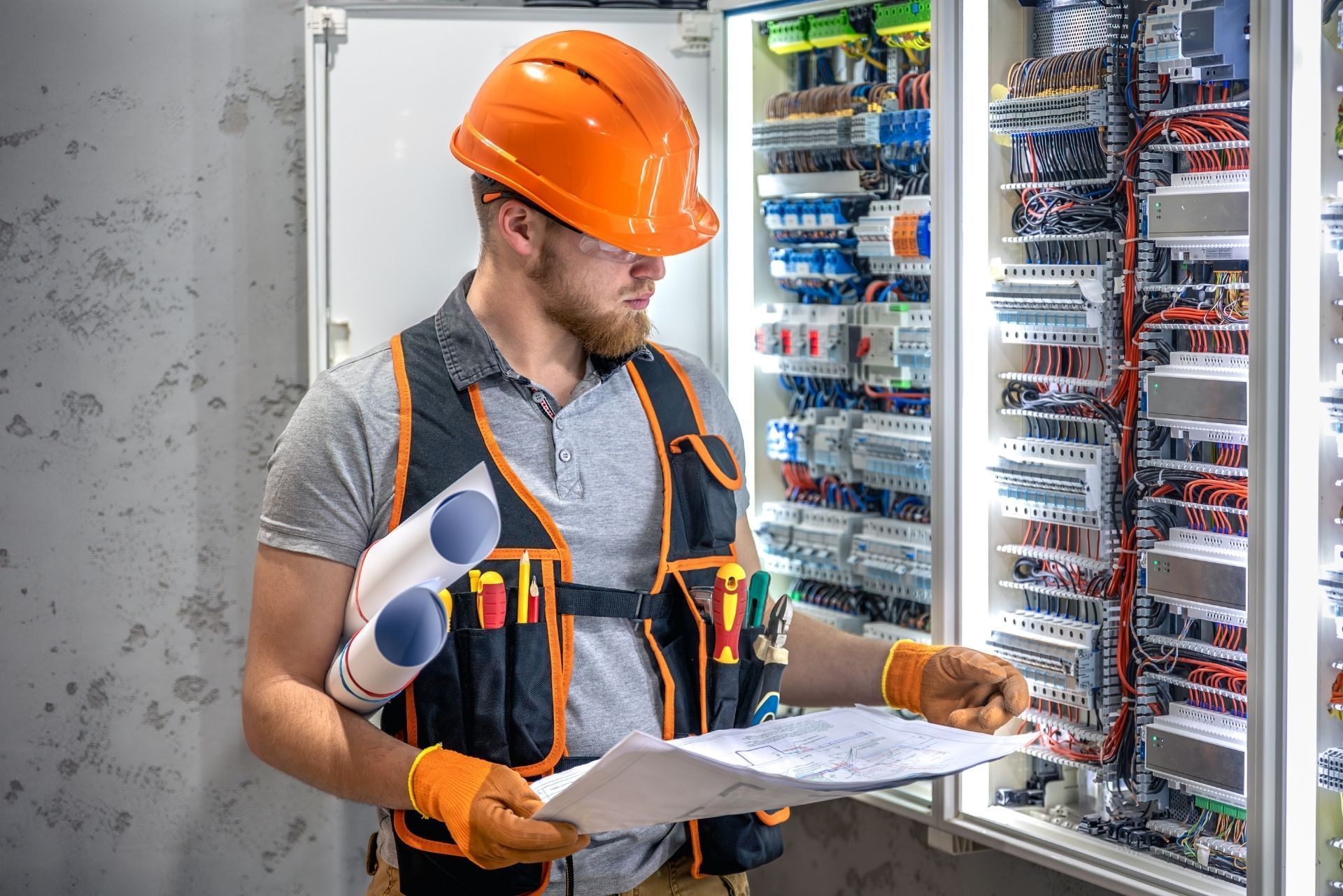
Controls technicians often work on ladders, lifts, and mezzanines while handling tools, running cable, and opening mechanical equipment. Even though the role is less physically demanding than heavy piping or sheet metal work, falls, strains, and electrical contacts still occur. Illinois employers that have employees generally need workers compensation coverage, and controls contractors are no exception.
Insurers are paying close attention to how technology is changing jobsite risk evaluation. As Brad Dowling, vice president of workers compensation at Builders and Tradesmens Insurance Services, has noted, the integration of artificial intelligence, drones, and the Internet of Things is reshaping how carriers assess risk and monitor conditions on construction and service projects according to HVACInsure. For controls contractors, that trend can be an opportunity. Strong safety practices, documented procedures for lockout and live system work, and good training can all feed into more favorable underwriting over time.
Commercial Auto And Hired Non Owned Auto
Many controls technicians spend large portions of each day on the road between sites. The van or pickup often doubles as a mobile warehouse and office. Commercial auto coverage protects the business when a crash involves a vehicle titled to the company. Even if personal vehicles are used for service calls, hired and non owned auto coverage can help address liability exposure tied to business use of those cars.
Fleet safety programs, driver screening, and realistic scheduling that reduces pressure to rush between appointments all play a role in keeping loss histories clean. Insurers typically look for those elements when pricing and structuring commercial auto policies for contractors with vehicles on the road.
Cyber And Network Liability For Connected Buildings
Building automation systems are no longer isolated stand alone setups. Many tie into corporate networks, cloud monitoring platforms, and remote access tools. That connectivity improves service and efficiency, but it also introduces cyber risk. If remote access credentials are compromised or a misconfigured firewall leaves an automation network exposed, the fallout can include data issues as well as operational disruptions.
Cyber liability coverage tailored for contractors can address costs connected to data breaches, network security failures, and the downstream business interruption experienced by clients. For a controls contractor that manages multiple sites through remote platforms or hosts historical trend data, this type of coverage can be just as important as traditional property and liability protections.
How Efficiency Standards And Smart Controls Shift Insurance Needs
Energy efficiency requirements and owner expectations are pushing more projects toward advanced controls, variable speed equipment, and detailed performance tracking. That creates opportunities for Illinois technicians with strong controls expertise. It also means contracts are more likely to include explicit performance targets, warranty provisions, and service level commitments that can influence insurance exposure.
The United States Department of Energy has raised minimum Seasonal Energy Efficiency Ratio ratings from 13.0 to 14.0 in northern states and from 14.0 to 15.0 in southern states, with the changes taking effect in 2025, which raises the baseline efficiency of many new systems and puts extra focus on correct sizing, commissioning, and control according to HVACInsure. When high efficiency equipment does not perform as expected because of faulty controls or poor integration, owners may argue that part of the problem lies with the automation contractor, not just the mechanical installer or manufacturer.
As smart thermostats, occupancy sensors, and analytics platforms become more common, system data can cut both ways. Historical trends and reports can help demonstrate that a controls contractor followed specifications and maintained stable operation. On the other hand, those same records may give building owners and their attorneys more detailed evidence when claiming that systems did not meet promised savings or comfort levels. Structuring insurance to include appropriate professional liability and cyber protections becomes more important in that environment.
What Makes Illinois Facilities Distinct For Controls And Automation Work
Illinois has a wide mix of facilities that rely on HVAC controls. Office towers in downtown Chicago, manufacturing plants along key transportation corridors, university campuses, and municipal buildings across the state all present different demands. Climate swings, from humid summers to frigid winters, stress both equipment and control strategies. Many buildings combine older mechanical systems with newer digital controls, which can introduce complexity and integration challenges.
A statewide nonresidential baseline and potential study for 2023 to 2024 found that 81 percent of Illinois commercial and industrial facilities have cooling equipment, and 59 percent use packaged systems as part of their HVAC mix according to GDS Associates Inc. For controls contractors, packaged units often mean many individual pieces of equipment spread across rooftops or mechanical rooms, all needing consistent control strategies, proper communication wiring, and careful coordination with building automation front ends.
The same nonresidential study reported that 60 percent of facilities have programmable thermostats while 53 percent still rely on manual thermostats in at least some spaces, which shows how many buildings sit in a transitional state between older controls and more advanced automation according to GDS Associates Inc. That blend can create risk when new systems are layered onto partially upgraded buildings or when owners expect sophisticated scheduling and remote access features from infrastructure that was never designed for it. Careful documentation of scope, clear communication about limitations, and good commissioning habits are important risk management tools, alongside formal insurance coverage.
Designing A Practical Insurance Strategy For Your Controls Business
Insurance works best when it matches the real risks and scale of a business. For Illinois HVAC controls and automation contractors, that starts with an honest look at work profile. Consider how much of the business involves pure service calls versus new construction or retrofit projects. Think about how often technicians work in critical environments like hospitals, data centers, or laboratories, where disruptions can quickly lead to large claims.
Contract requirements can shape needed limits and coverage types, but they should not be the only guide. A healthy program balances what clients demand with what would be necessary to protect the business if a worst case scenario occurred. That includes reviewing indemnification language in contracts, understanding how additional insured and waiver of subrogation provisions affect policies, and making sure coverage for subcontractors aligns with how work is actually delegated.
Beyond buying insurance, strong documentation habits reduce disputes and claims. Detailed commissioning reports, change logs for programming modifications, clear records of client approvals, and written explanations of system limitations can all help when a building owner later alleges poor performance or incomplete work. Training technicians to record what they see and do at each visit is as important as sending them out with the right tools.
Basic Versus Enhanced Insurance Approaches
The right insurance structure depends on company size, revenue, and the kinds of projects taken on. Even so, it can help to compare a lean, compliance driven insurance setup with a more comprehensive approach that acknowledges the professional and technological aspects of modern controls work.
| Insurance Element | Basic, Contract Driven Approach | Enhanced, Controls Focused Approach |
|---|---|---|
| General liability | Meets minimum limits specified in contracts, limited attention to completed operations or subcontractor risks. | Limits set based on potential property damage in critical facilities, careful review of exclusions and completed operations language. |
| Professional liability | Often omitted, or purchased with low limits only when specifically required. | Treated as core coverage for design, programming, and commissioning errors on any automation or integration project. |
| Property and tools | Standard business personal property at the office, little or no coverage for tools in vehicles or on jobsites. | Contractors equipment and installation floater to protect laptops, instruments, and materials wherever they are located. |
| Workers compensation | Purchased mainly to satisfy state law, with limited focus on safety programs. | Integrated with a documented safety plan, fall protection training, and lockout procedures to support better long term pricing. |
| Commercial auto | Basic liability and physical damage for titled vehicles, no coverage for employee owned cars used for work. | Includes hired and non owned auto liability and risk management support for driver screening and fleet safety. |
| Cyber and network liability | Often not addressed, despite remote access and cloud based monitoring. | Dedicated cyber coverage that anticipates remote access, hosted data, and potential operational technology breaches. |
Even a small firm can move gradually from the basic column toward the enhanced side without dramatic cost jumps. Often the first steps are adding professional liability, tightening documentation, and beginning a conversation with an insurance professional who understands construction and technology exposures. As the business grows into larger, more integrated projects, that foundation makes it easier to scale coverage intelligently.
Illinois HVAC Controls Technician Insurance FAQs
Do HVAC controls technicians really need professional liability insurance?
Yes. Because controls and automation work involves design decisions, programming, and commissioning, clients may claim financial losses even when there is no obvious physical damage. Professional liability coverage helps pay for legal defense and settlements in those situations.
Is workers compensation required for a small Illinois controls contractor?
In most cases, Illinois employers with employees are required to carry workers compensation insurance. Even if a business uses mostly subcontractors, it is smart to discuss classification and statutory requirements with an insurance professional or legal advisor familiar with Illinois law.
What coverage helps if tools or laptops are stolen from a jobsite or vehicle?
Standard business property coverage often excludes or limits protection for items away from your main location. Contractors equipment or inland marine coverage is usually the better fit for mobile tools, instruments, and laptops used for programming and diagnostics.
Does general liability cover mistakes in control sequences or software?
General liability focuses on bodily injury and property damage. If a programming or design error only causes financial loss, or if the main dispute is about whether work met professional standards, professional liability or errors and omissions coverage is more likely to apply.
Why is cyber insurance relevant for HVAC automation work?
Modern building automation involves remote access, cloud platforms, and network connected controllers. If credentials are compromised or a configuration error exposes systems to cyber attacks, cyber liability coverage can help with related costs, including notification, investigation, and certain third party claims.
How can a controls contractor keep insurance costs manageable?
Clear safety procedures, documented commissioning and change control, good contract review, and driver screening programs all help reduce claim frequency and severity. Over time, that can support more favorable pricing and terms from insurers who appreciate a proactive approach to risk.
Final Thoughts For Illinois Building Automation Professionals
Illinois HVAC controls and automation technicians have skills that are increasingly central to how buildings operate. As more systems connect to networks and owners demand precise performance, the line between mechanical contractor and technology provider keeps blurring. That shift brings opportunity but also exposes businesses to claims that look more like technology, engineering, or cyber disputes than traditional HVAC problems.
The financial stakes are significant. The average HVAC technician salary in Illinois is 53,500 dollars per year, or roughly 25.72 dollars per hour, which means that a single serious claim can threaten the equivalent of a full year of income for a working professional if a business is not properly protected according to Faraday. A thoughtful insurance portfolio, combined with careful documentation, strong contracts, and a culture of safety, helps make sure that expertise in controls and automation translates into stable, long term success rather than unexpected financial shocks.
For contractors and technicians across Illinois, the most effective step is often simply to treat insurance as part of the overall project planning process instead of an afterthought. When coverage is aligned with actual job risks and updated as services evolve, it becomes a quiet but essential partner in growing a sustainable controls and building automation business.
Recognized by National HVAC Trade Associations
These trusted organizations set best practices and standards that carriers rely on when underwriting HVAC risks.
Membership signifies adherence to HVAC industry standards and contractor best practices.
Coverage for Crews, Vehicles, and Tools
Insurance for HVAC Contractors
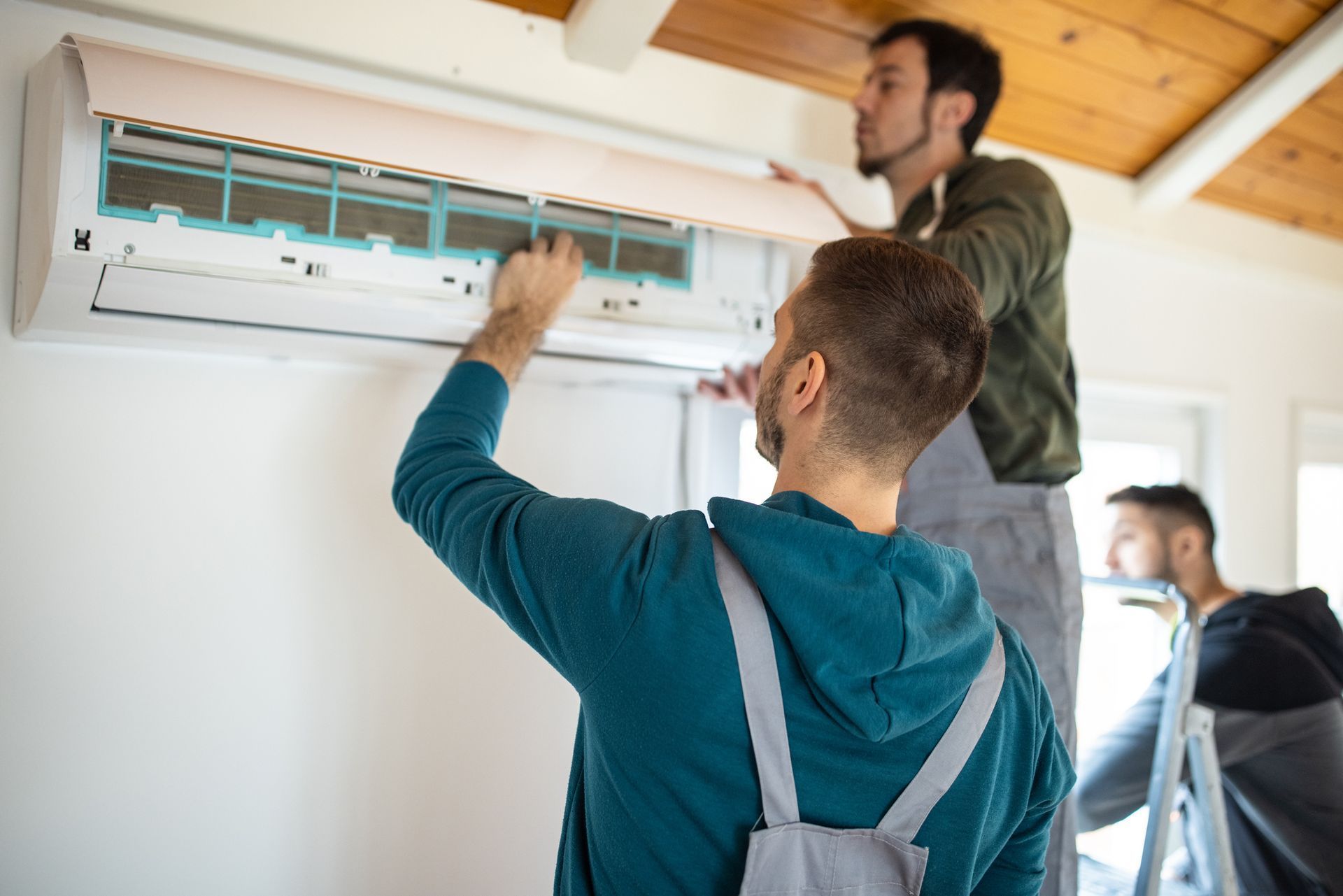
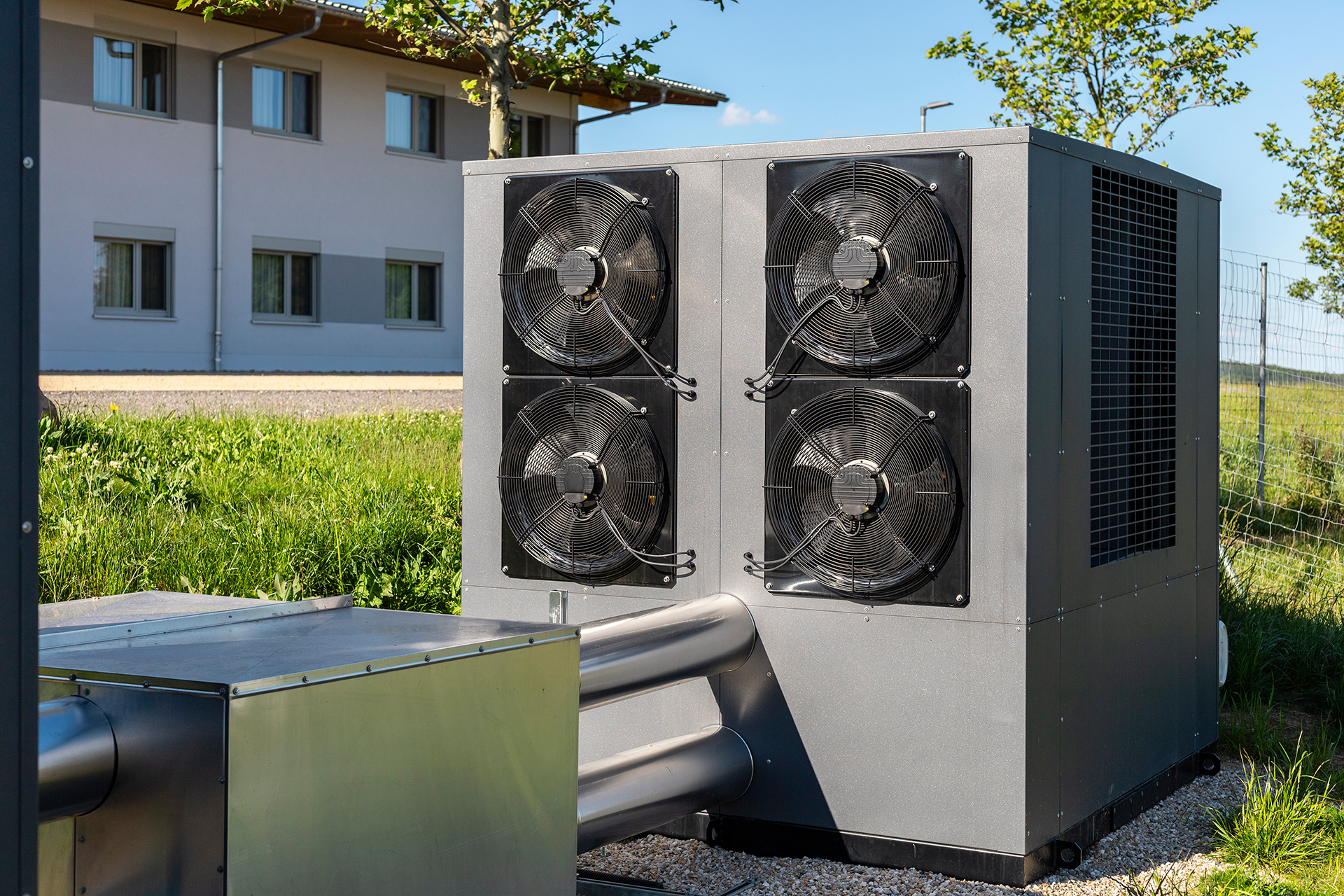
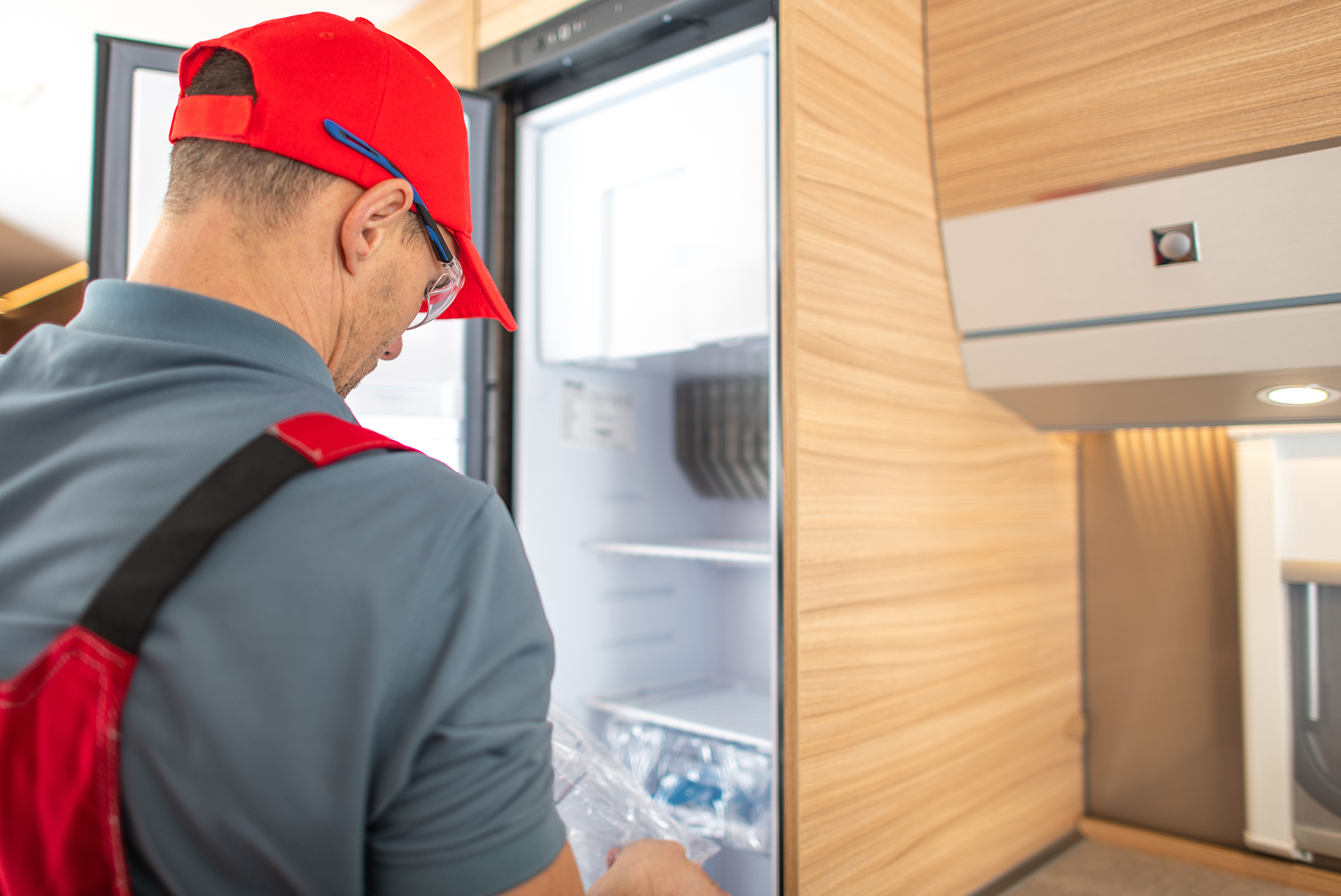
We provide business insurance designed for HVAC contractors. These policies protect your crew, vehicles, and tools while helping you meet project requirements. Every policy is explained clearly and delivered quickly so you can work without delays.
Resources
Insurance Tips for HVAC Contractors
Our blog is built for contractors who want fast answers. Each article covers common questions and risks in under five minutes of reading.


Frequently Asked Question
Common HVAC Contractor Insurance Questions
These FAQs address common contractor questions. As HVACInsure grows, we will update this section with real client experiences and answers.
Why should an HVAC contractor use HVACInsure instead of a general agency?
Specialists understand jobsite requirements, certificate wording, and common endorsements for HVAC work. You get cleaner paperwork, faster approvals, and coverage that fits how your crews operate.
This reduces delays at the gate, avoids gaps, and helps you pass compliance checks the first time.
How fast can I get a Certificate of Insurance (COI)?
Most standard COIs are issued the same business day after binding or updates. If you need additional insured, primary/non-contributory, or waiver language, we prepare it correctly the first time.
Our goal is simple: get your crew on site without paperwork delays.
What coverages do HVAC contractors usually need?
Core policies include General Liability, Commercial Auto, Workers’ Comp, Property/Tools, Inland Marine, and Umbrella. Many projects require higher limits and specific endorsements.
We align your coverage with contract terms and explain each choice in plain language.
Will my tools and scheduled equipment be covered in vans or on jobsites?
Yes. Inland Marine (tools and equipment) can cover items in transit, stored in vehicles, or staged on site.
High-value items can be scheduled, and limits can match your daily field use to keep work moving.
Can I lower my premium without weakening protection?
Often, yes. Clean driver lists, accurate payrolls, safety programs, and bundling policies can help.
We review your profile, request carrier credits, and adjust limits and deductibles to control cost while meeting project requirements.
What should I do after a loss?
Contact us right away so we can file with the correct carrier and set expectations. We guide documentation, next steps, and follow-ups until closure.
Fast reporting and clear records help resolve claims sooner and keep your team focused on work.

Still have questions?
Can’t find the answer you’re looking for? Please chat to our friendly team!
Contact Us