Georgia Ventilation & Airflow Balancing Technician Insurance
or call us: 888-862-1202
A single misadjusted damper in a Georgia office building can leave half the tenants freezing and the other half sweating, yet comfort complaints are rarely the biggest financial risk for ventilation and airflow balancing technicians. Hidden moisture problems, indoor air quality disputes, and expensive equipment failures sit quietly in the background, and that is where insurance either protects the business or leaves dangerous gaps. Mechanical ventilation is also tied directly to occupant health. The Georgia Department of Public Health has noted that well designed systems help remove allergens, contaminants, and excess moisture, which supports better indoor air quality and healthier buildings across the state according to state public health guidance.
Ventilation and airflow balancing technicians often sit in a gray zone between HVAC contractors, commissioning agents, and consultants. Many do not install large pieces of equipment, yet they touch almost every part of the HVAC system, from rooftop units to terminal boxes above a finished ceiling. That mix of hands‑on work and advisory responsibility creates a distinctive risk profile. Insurance for this niche tends to be shaped by commercial project requirements, Georgia energy codes, and how well the business documents its testing and balancing work.
What Ventilation & Airflow Balancing Technicians Actually Do
Most people only notice airflow when it is wrong, but balancing technicians see the entire system. On a typical job, they measure supply and return airflows, adjust dampers, set fan speeds, and verify that each room receives the right amount of air. They may also confirm outdoor air intake rates, pressure relationships between spaces, and exhaust performance. All of this data is usually compiled into a formal testing, adjusting, and balancing, or TAB, report that the building owner, engineer, and code officials rely on.
The work reaches beyond simple comfort issues. For example, infiltration and air change rates can be dramatic when a building envelope leaks. A training example from Georgia illustrates this. A 2,000 square foot home with 8 foot ceilings has an interior volume of 16,000 cubic feet. If a blower door test shows leakage of 80,000 cubic feet per hour, that home is experiencing 5 air changes per hour under the test conditions based on a Georgia energy efficiency resource. For technicians, these kinds of measurements link directly to energy use, comfort, and moisture control, which is why thorough documentation matters for both engineering and insurance purposes.
Balancing specialists often work in hospitals, laboratories, schools, and other sensitive environments. There, pressurization and ventilation rates can be life safety issues. In a healthcare space, for instance, wrongly balanced exhaust or supply air can influence how contaminants move between rooms. Insurance carriers understand that these projects carry higher stakes, so they pay close attention to the scope of services and quality control practices when evaluating coverage.

HVACInsure is fully licensed and permitted to sell contractor and commercial insurance in Georgia.
We insure HVAC contractors throughout Georgia and in 47 other states, providing compliant, affordable, and comprehensive coverage that meets project and regulatory requirements.
The Main Risks Georgia Air Balancing Technicians Face
From an insurance standpoint, the biggest threats to an air balancing business rarely come from the manometer or the balometer. They come from what happens if something goes wrong around them. Accidentally damaging a finished ceiling while accessing ductwork, scratching expensive flooring with equipment cases, or causing water intrusion when a rooftop access hatch is left unsecured can all trigger property damage claims. Even when the job is relatively low impact, any work in occupied buildings creates potential for injury to tenants, visitors, or other trades.
Professional liability risk is just as real. When technicians certify airflow and ventilation performance, their reports are often filed with building departments, included in turnover packages, and relied on long after the project ends. If a ventilation system later gets blamed for mold growth, poor indoor air quality, or inconsistent temperatures, the balancing contractor’s name is right there in the documentation. Disputes can arise over whether the system was balanced correctly, whether readings were taken under realistic conditions, or whether the technician should have alerted the owner to design or installation flaws.
Insurance data also shows that not every equipment loss is neatly covered by standard policies. Industry analysis has found that 39% of evaluated HVAC and refrigeration equipment losses are tied to causes that are not typically covered by insurance policies, which highlights how many gaps can exist between real‑world failures and policy wording
based on a 2024 HVAC equipment claims report. For balancing technicians, that reality reinforces why risk management, contracts, and the right mix of policies all have to work together.
How Georgia’s HVAC Insurance Market Is Changing
Georgia has seen noticeable pressure on HVAC related insurance premiums. Rising repair and replacement costs for HVAC systems have pushed claims severities higher. That trend has translated into increased demand for coverage and higher premiums for contractors that handle HVAC work across the state as recent Georgia HVAC insurance market updates explain. Even though many ventilation and balancing technicians do not sell or install large units themselves, they tend to get grouped into the same underwriting bucket unless they clearly explain their operations.
Underwriters are especially cautious with contractors that touch building systems considered critical for health, life safety, or high value operations like data centers and laboratories. When claim costs rise in those categories, the impact often lands on the entire class of HVAC and mechanical contractors. That is one reason some balancing specialists in Georgia see renewal quotes that jump even in years with no losses. A clear, detailed description of services, along with strong safety and documentation practices, helps demonstrate that the business is lower risk than a full mechanical contractor handling design build projects.
As carriers tighten terms, some are reducing optional coverages or adding stricter exclusions around mold, bacteria, or pollution. Ventilation and airflow balancing technicians should pay particular attention to any wording that affects indoor air quality, because those exclusions can influence whether insurance responds when a project gets blamed for health complaints or moisture problems.
Core Insurance Policies For Ventilation & Air Balancing Technicians
Despite the specialized nature of TAB and ventilation work, the foundation of an insurance program for these technicians looks familiar. It starts with general liability, layers in coverages aimed at professional services, then builds around tools, vehicles, employees, and large claims. What changes is the emphasis on certain protections and the details of how work is described to the insurer.
General Liability
General liability covers third party bodily injury and property damage arising from everyday operations. If a technician accidentally drops a ceiling tile on a tenant’s desk or spills water while working near electronics, this is typically the policy that responds. For balancing specialists that work inside occupied buildings or tight mechanical rooms, even routine site access carries some level of trip‑and‑fall or property damage exposure.
Contractors should review whether their policy includes coverage for damage to the part of the property they are working on. Some forms severely limit coverage for damage to “your work” or to property being worked on directly. That is important when technicians remove access panels, open ceilings, or adjust components inside finished spaces. Even if the damage is minor, the legal defense costs can be significant, and broad coverage wording helps prevent unpleasant surprises.
Professional Liability or Errors & Omissions
Ventilation and airflow balancing technicians effectively deliver a professional opinion every time they sign a TAB report. Professional liability, often called errors and omissions, is designed to respond when a client claims that advice, measurements, or documentation were negligent and caused financial loss. Allegations might involve unbalanced systems leading to hot and cold spots, missed code related airflow requirements, or failure to flag obvious design or installation problems that should have been escalated.
For technicians who help with commissioning, sequence of operations review, or troubleshooting complex comfort and IAQ issues, professional liability is as important as general liability. Without it, even an unfounded claim can be expensive to defend. It is also worth checking whether any professional coverage is packaged inside a general liability policy with a low sublimit or offered as a dedicated stand‑alone policy with stronger limits and clearer wording.
Commercial Property and Tools
Many balancing firms have modest offices but significant investment in instruments. Balometers, airflow hoods, digital manometers, pitot tubes, data loggers, and laptops all add up. Commercial property insurance protects office spaces, furnishings, and equipment kept at a fixed location. For tools and instruments that regularly travel to job sites, inland marine or a contractor’s equipment floater is often more appropriate, because it follows those items wherever they go.
Technicians should keep an updated inventory of specialized test equipment, including serial numbers and approximate replacement values. That list not only speeds up claim handling, it also helps confirm that limits are keeping pace with the cost of modern digital instruments. With repair and replacement costs rising, underinsuring equipment is an easy mistake that only shows up after a loss.
Commercial Auto
Jobs may start at a laptop, but they usually end in a truck or van full of equipment. Commercial auto insurance covers vehicles used for business, including liability if a technician causes an accident and, depending on the policy, damage to the company vehicle itself. Even a small balancing firm with one or two vans needs to think about who is allowed to drive, how driving records are monitored, and how vehicles are stored overnight.
Underwriters often look at radius of operations, vehicle types, and driver histories when pricing commercial auto. Contractors that service projects across Georgia or on busy interstates may see higher premiums than those working mostly in a single metro area. Good documented driver policies, motor vehicle record checks, and basic fleet safety practices can meaningfully influence both pricing and eligibility.
Workers Compensation
Once a balancing firm hires employees, workers compensation becomes critical. Technicians regularly climb ladders, access rooftops, work in hot mechanical rooms, and carry equipment through awkward spaces. Even with solid safety practices, strains, slips, and falls are a reality. Workers compensation covers medical costs and a portion of lost wages when employees are injured on the job, and in most cases it is required by law once payroll crosses relatively low thresholds.
For Georgia technicians, classification of employees matters. A firm that primarily does light commercial balancing work will generally fall into a different risk class than a mechanical contractor performing heavy installation. Making sure payroll is allocated correctly to the appropriate class codes keeps premiums fair and helps avoid audit surprises at the end of the policy term.
Umbrella and Excess Liability
Umbrella or excess liability policies sit on top of general liability, auto liability, and sometimes employer’s liability. They provide additional limits when a claim exceeds the underlying policy. For ventilation and airflow balancing contractors that work on hospitals, universities, laboratories, or large commercial campuses, client contracts may require higher total limits than a standard primary policy offers.
Even when it is not strictly required, an umbrella can be a cost effective way to protect the business against rare but potentially devastating claims. A single injury claim or property damage dispute on a high value project can quickly approach the limits of a general liability policy, especially when legal defense costs are included.
Special Considerations For Independent TAB Firms In Georgia
Some Georgia businesses focus exclusively on testing, adjusting, and balancing and do not install or service equipment at all. That independence is often seen as a strength by building owners and engineers, because it avoids conflicts of interest. It can also influence insurance in positive ways if underwriters understand the distinction. A firm that only measures, documents, and advises carries less hands‑on installation risk than a full‑service mechanical contractor, even though its professional exposure remains significant.
These firms should be very deliberate about how work is described in applications. General wording like “HVAC contractor” tends to lump them into a broader category with higher claims experience, which can lead to inflated premiums. Clear reference to TAB, commissioning, airflow balancing, and diagnostic services helps move the account into a more accurate risk profile. It also makes it easier to justify why certain coverages, such as errors and omissions, should be emphasized while others, such as installation floater coverage, may be less critical.
Independent TAB firms also rely heavily on their reputations. Many work repeatedly with the same engineers, ownership groups, and property managers. Insurance coverage that includes strong professional liability and, where appropriate, coverage for libel, slander, or reputational harm can be valuable when project disputes spill over into public reviews or professional relationships.
Regulations, Codes, And Documentation That Affect Your Insurance
Georgia’s building and energy codes give ventilation and airflow balancing technicians a formal role in the construction process. The Georgia Commercial Energy Code highlights the importance of air balancing reports to support acceptable indoor air quality and energy efficiency, and field guides tied to that code expect these reports to be part of standard project documentation according to Georgia commercial energy field guidance. For insurers, that means a TAB report is not just a nice‑to‑have deliverable. It is evidence that the contractor followed recognized practices.
Indoors, ventilation and filtration also intersect directly with public health. The Georgia Department of Public Health points out that mechanical ventilation systems can reduce allergens, contaminants, and excess moisture, which supports healthier indoor environments and reduces certain respiratory risks based on state indoor air quality information. When claims arise around poor air quality, mold, or occupant symptoms, the quality and clarity of TAB documentation often becomes central to the investigation.
Keeping organized project files is not only good engineering practice, it is also an important part of insurance risk management. Detailed logs of measurements, equipment settings, issues noted and communicated, and client approvals help show that the technician acted reasonably and transparently. In a dispute months or years later, those records can make the difference between a quick resolution and a lengthy, expensive fight.
Coverage Comparison: Basic Protection vs Stronger Strategy
Not every ventilation or balancing business in Georgia needs the same depth of coverage. A solo technician performing small commercial projects on a subcontract basis will have a different profile than a multi‑crew firm handling hospitals and laboratories statewide. Still, it helps to see how a lean insurance setup compares to a more robust program that anticipates higher stakes claims.
The table below outlines a simple side‑by‑side comparison. It is not a universal template, but it offers a starting point for conversations with a knowledgeable insurance advisor who understands HVAC and TAB work.
| Coverage Area | Basic / Lean Approach | Stronger / Comprehensive Approach |
|---|---|---|
| General Liability | Meets minimum contract limits, limited attention to endorsements or exclusions. | Higher limits tailored to project size, carefully reviewed wording on damage to work and completed operations. |
| Professional Liability (E&O) | None, or a small sublimit bundled into another policy. | Dedicated E&O policy with limits that match project requirements and clear coverage for TAB reports and consulting. |
| Workers Compensation | Only purchased when legally required, minimal focus on classification accuracy. | Proactively maintained, with correct class codes, safety programs, and claims management to control long‑term costs. |
| Tools and Instruments | Basic office property coverage, limited protection for equipment in transit or on site. | Inland marine or equipment floater that follows tools to every job, with values updated to match replacement costs. |
| Commercial Auto | State minimums or low limits, little formal driver screening. | Solid liability limits, possibly an umbrella on top, with driver checks and written fleet safety guidelines. |
| Umbrella / Excess | No additional limits beyond primary policies. | Added layer of protection to satisfy large client contracts and protect against rare catastrophic claims. |
| Risk Management Support | Ad hoc, handled only after problems arise. | Regular reviews of contracts, certificates of insurance, and safety practices to prevent gaps and disputes. |
Real‑World Claim Scenarios For Air Balancing Technicians
Imagining specific scenarios makes it easier to see where insurance actually comes into play. Consider a project where a technician adjusts supply airflows during off hours in an occupied office building. While moving a ladder, they crack a decorative light fixture and scratch a conference table. The property manager files a claim, and general liability responds to repair or replace the damaged items and handle any associated legal issues if the client is unhappy with the resolution.
On another job, a technician signs off on a balancing report for a retail space that opens just before summer. Weeks later, the tenant complains of persistent humidity and musty smells. An investigation suggests the system is short on outdoor air and not properly dehumidifying. The owner reviews the TAB report and alleges that the readings were incorrect or incomplete. Now the claim revolves around whether the technician’s professional services met the expected standard of care. That is where errors and omissions coverage can be critical.
There are also scenarios tied to tools and travel. A set of specialized airflow hoods is stolen from a locked van overnight. Or a technician backing out of a tight loading dock accidentally bumps another contractor’s truck. These incidents engage commercial auto and equipment coverage, and they highlight why security practices, vehicle checks, and careful parking habits are part of risk management, not just job logistics.
Risk Management Beyond Insurance: Practical Steps On Site
A strong insurance program is only part of the solution. Ventilation and airflow balancing technicians also control many of their own risks through everyday habits and planning. Simple steps such as using protective coverings when moving ladders and equipment through finished spaces, confirming ceiling conditions before accessing concealed areas, and documenting preexisting damage all cut down on disputes about who caused what.
From a professional standpoint, standardized test procedures and peer review go a long way. Using consistent forms for field readings, capturing photos of critical measurements or equipment settings, and having a second technician review larger or more complex reports adds a layer of quality control. When issues are discovered, written communication to the owner or general contractor that clearly explains the concern helps show that the technician did not ignore obvious problems.
Indoor air quality and occupant health concerns deserve particular attention. Since mechanical ventilation can significantly reduce contaminants and excess moisture when designed and operated correctly, technicians are often on the front line of identifying systems that are not performing as intended. Clear documentation of ventilation rates, filter conditions, and any limitations observed during testing helps bridge the gap between design assumptions and real‑world operation, which benefits both building owners and insurers.
Cost Factors And How To Keep Premiums Manageable
Premiums for ventilation and airflow balancing insurance in Georgia depend on more than just revenue. Insurers look at the mix of projects, the relative share of work in higher risk occupancies like hospitals or laboratories, and how much of the business is consulting versus hands‑on work. A firm that can show a history of clean claims, consistent safety practices, and strong contracts is in a better position to negotiate favorable terms than a similar operation with scattered documentation and a reactive approach to risk.
Written procedures help. Safety manuals, lockout‑tagout protocols for working near rotating equipment, ladder training, and job hazard assessments all matter, not only for preventing injuries but also for demonstrating seriousness to underwriters. On the professional side, having standardized report templates, clear scopes of work, and contract language that fairly allocates responsibility among engineers, mechanical contractors, and TAB firms can limit disputes and keep claim frequency in check.
The broader HVAC market also influences costs more than many small contractors realize. As repair and replacement costs climb, insurers that focus on HVAC contractors in Georgia have reported rising premiums and tighter underwriting standards as noted in recent Georgia HVAC insurance analyses. Balancing technicians who take the time to explain their narrower scope of work, low loss history, and commitment to documentation can sometimes soften the impact of those broader trends.
Frequently Asked Questions About Georgia Ventilation & Airflow Balancing Technician Insurance
Do ventilation and air balancing technicians really need professional liability insurance?
Yes. If you provide TAB reports, commissioning support, or airflow recommendations, clients rely on your professional judgment. Professional liability coverage helps protect you when someone alleges that a mistake in that work caused financial loss, even when no physical damage occurred.
Is general liability enough if my work is mostly measuring and reporting?
General liability is essential, but it mainly responds to bodily injury and property damage. Since many disputes over ventilation and balancing revolve around whether the system performs as promised, an errors and omissions policy is usually needed to cover those professional exposures.
How do Georgia codes affect my insurance needs?
Because Georgia’s commercial energy code expects documented air balancing to support indoor air quality and efficiency, your reports carry weight in code compliance. That makes accurate documentation and strong professional coverage more important, since regulators and owners may lean on your work when problems arise.
Will my premiums go up if I start working on hospitals or labs?
Very likely. Insurers typically view healthcare and laboratory projects as higher risk due to the critical nature of their environments. Expect closer underwriting review, higher required limits, and possibly higher premiums if this becomes a significant part of your work.
What can I do to keep costs manageable as my business grows?
Maintain clean loss history through strong safety practices, invest in good documentation, and work with an advisor who understands HVAC and TAB risks. Clear contracts, accurate descriptions of your services, and consistent training for your team all help present your firm as a better risk to insurers.
Does equipment theft from my vehicle fall under auto or property insurance?
It depends on your setup, but often specialized instruments are best covered under an inland marine or contractor’s equipment policy. Commercial auto usually addresses the vehicle itself and liability from driving, while tools and instruments need coverage that follows them wherever you take them.
Key Takeaways For Georgia Air Balancing Technicians
Ventilation and airflow balancing technicians occupy a critical, and sometimes underappreciated, place in Georgia’s building ecosystem. Independent TAB specialists that focus solely on testing and balancing, including firms founded specifically to provide unbiased TAB services in the state, have helped set high standards for this niche as demonstrated by long‑standing Georgia TAB providers. That professional focus deserves an insurance strategy built around the realities of their work, not just a generic mechanical contractor template.
For most businesses in this space, a solid foundation includes general liability, professional liability, workers compensation, commercial auto, and tailored protection for tools and instruments. On larger or more complex projects, higher limits and umbrella coverage help satisfy contract requirements and protect against rare catastrophic claims. Just as important, strong documentation, clear communication, and thoughtful project selection all work together with insurance to keep risks in check.
Balancing airflows, verifying ventilation rates, and supporting code compliance may feel routine after years in the field. Yet when something goes wrong in a building, those small details quickly come under a microscope. Technicians who invest time in understanding their exposures, building a relationship with an insurance professional familiar with HVAC risks, and aligning coverage with the actual work they perform are better positioned to protect both their business and the buildings they help keep healthy and efficient.
Recognized by National HVAC Trade Associations
These trusted organizations set best practices and standards that carriers rely on when underwriting HVAC risks.
Membership signifies adherence to HVAC industry standards and contractor best practices.
Coverage for Crews, Vehicles, and Tools
Insurance for HVAC Contractors
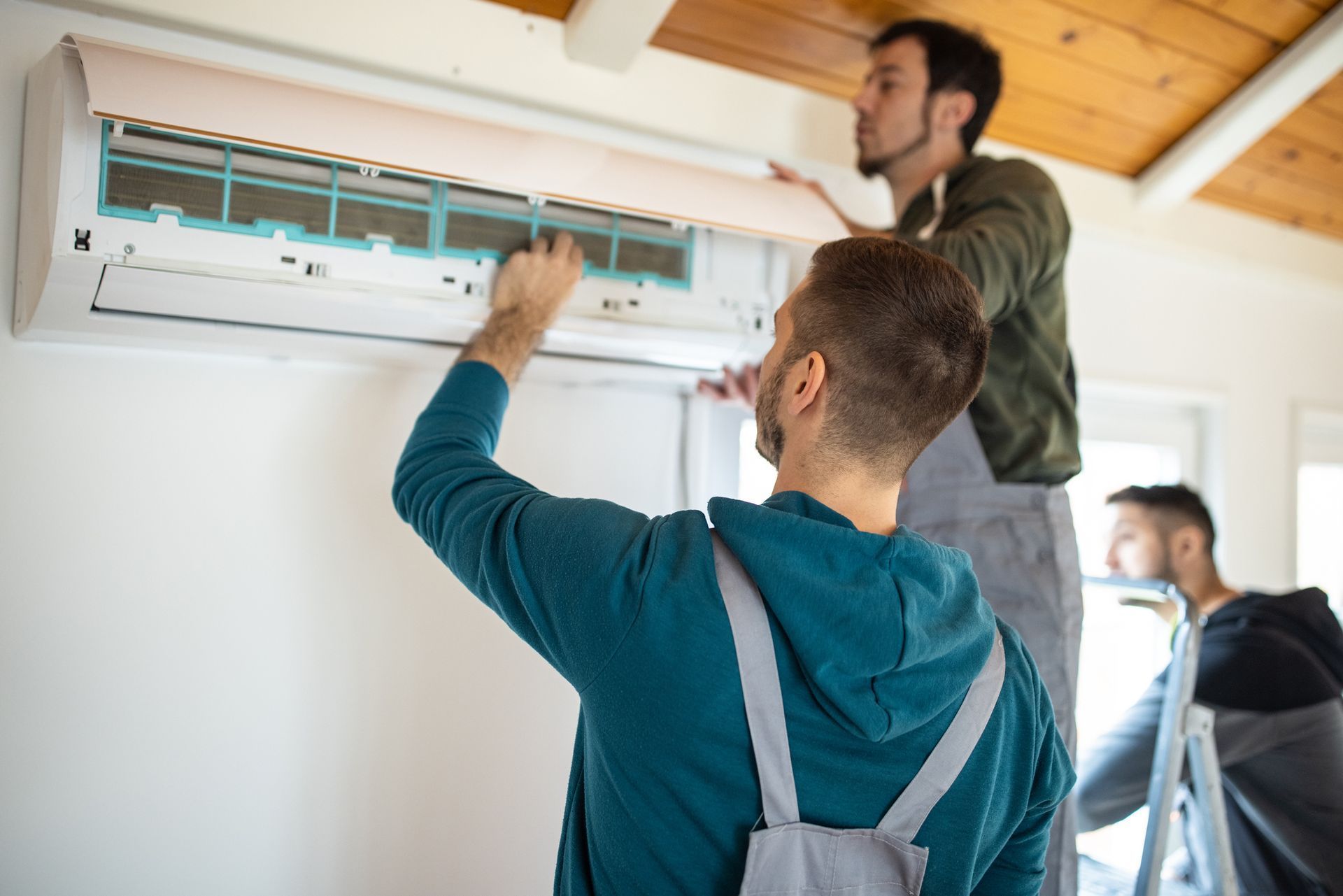
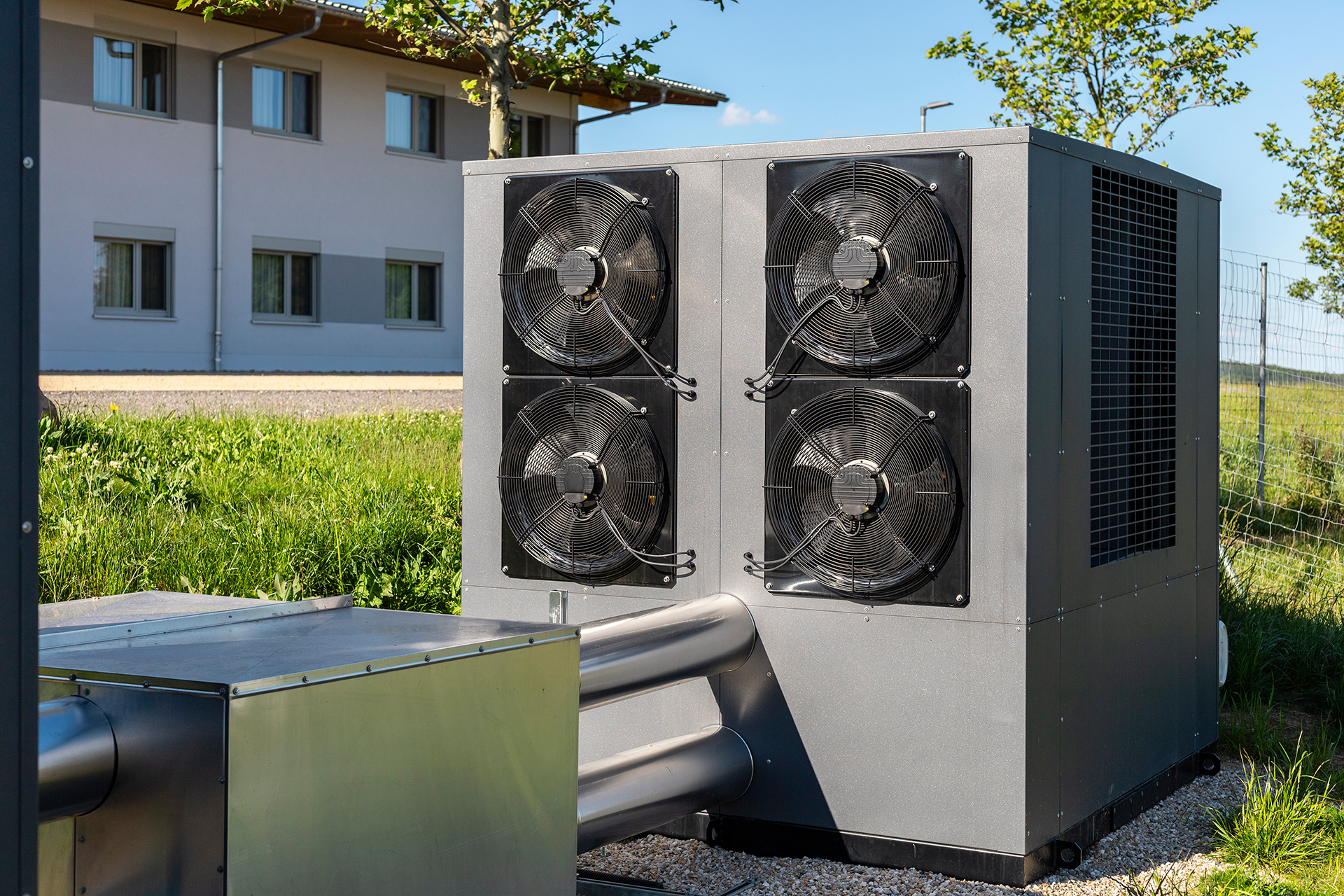
We provide business insurance designed for HVAC contractors. These policies protect your crew, vehicles, and tools while helping you meet project requirements. Every policy is explained clearly and delivered quickly so you can work without delays.

Resources
Insurance Tips for HVAC Contractors
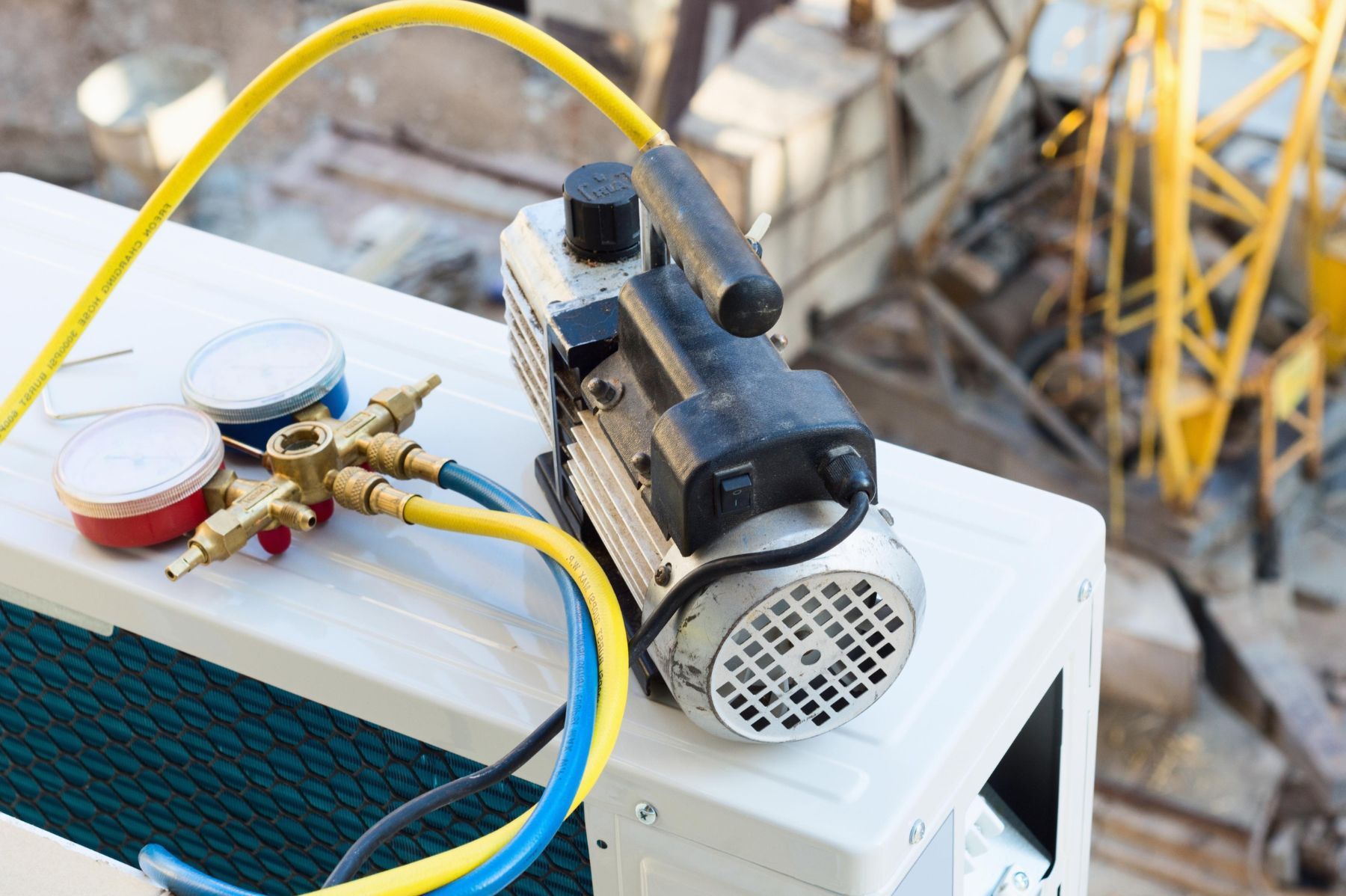
Our blog is built for contractors who want fast answers. Each article covers common questions and risks in under five minutes of reading.


Frequently Asked Question
Common HVAC Contractor Insurance Questions
These FAQs address common contractor questions. As HVACInsure grows, we will update this section with real client experiences and answers.
Why should an HVAC contractor use HVACInsure instead of a general agency?
Specialists understand jobsite requirements, certificate wording, and common endorsements for HVAC work. You get cleaner paperwork, faster approvals, and coverage that fits how your crews operate.
This reduces delays at the gate, avoids gaps, and helps you pass compliance checks the first time.
How fast can I get a Certificate of Insurance (COI)?
Most standard COIs are issued the same business day after binding or updates. If you need additional insured, primary/non-contributory, or waiver language, we prepare it correctly the first time.
Our goal is simple: get your crew on site without paperwork delays.
What coverages do HVAC contractors usually need?
Core policies include General Liability, Commercial Auto, Workers’ Comp, Property/Tools, Inland Marine, and Umbrella. Many projects require higher limits and specific endorsements.
We align your coverage with contract terms and explain each choice in plain language.
Will my tools and scheduled equipment be covered in vans or on jobsites?
Yes. Inland Marine (tools and equipment) can cover items in transit, stored in vehicles, or staged on site.
High-value items can be scheduled, and limits can match your daily field use to keep work moving.
Can I lower my premium without weakening protection?
Often, yes. Clean driver lists, accurate payrolls, safety programs, and bundling policies can help.
We review your profile, request carrier credits, and adjust limits and deductibles to control cost while meeting project requirements.
What should I do after a loss?
Contact us right away so we can file with the correct carrier and set expectations. We guide documentation, next steps, and follow-ups until closure.
Fast reporting and clear records help resolve claims sooner and keep your team focused on work.

Still have questions?
Can’t find the answer you’re looking for? Please chat to our friendly team!
Contact Us