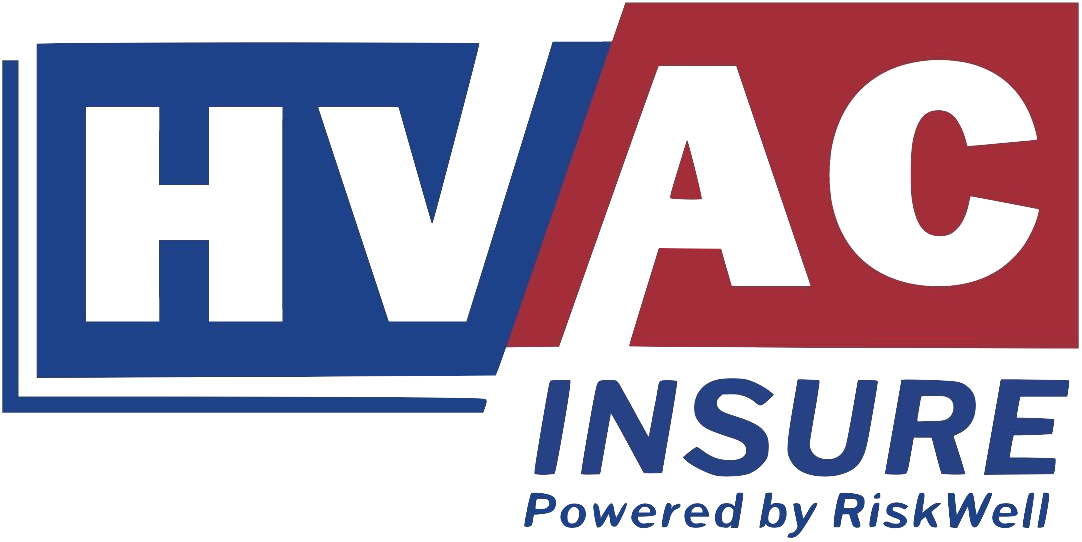
A mini-split wall unit slips from its mounting bracket, clips the homeowner’s quartz countertop, shatters a cooktop, and sends refrigerant oil across a brand-new vinyl floor. Incidents like this are not rare for Florida installers, and the final bill can rival the profit on several weeks of work. The difference between a nuisance and a business-ending loss often comes down to whether the installer carries the right insurance in the right amounts.
Florida treats HVAC trades as higher-risk construction businesses, and state rules can surprise anyone who is used to more relaxed licensing or insurance standards in other regions. For example, if an HVAC contractor in Florida has even one employee, workers’ compensation coverage is mandatory under state law, a point many new business owners miss until they speak with an agent or read guidance from specialists who work with HVAC firms in the stateFlorida HVAC contractors’ workers compensation guidance.
Why Mini-Split & Heat Pump Installers Face Unique Risks In Florida
Mini-splits and modern heat pumps have exploded in popularity across Florida as homeowners chase zoned comfort and better energy efficiency. That trend is great for business, but it exposes installers to a mix of electrical, refrigerant, roofing, and structural risks that overlap multiple trades. Every hole in a wall or roof, every new circuit, and each evaporator line run is another point where property damage or bodily injury can occur.
Florida’s climate amplifies those exposures. High humidity, salt-laden air near the coast, and frequent heavy storms all put stress on outdoor units, line sets, and mounting hardware. When something fails and a customer claims the equipment was incorrectly sized, poorly installed, or not sealed against moisture, the installer usually sits at the center of the dispute, whether or not the allegation is fair.
Hurricanes and extended emergency declarations add yet another layer. After major storms, demand for replacement systems and emergency service work spikes. That rush can mean more rushed jobs, more subcontractors, more driving with loaded vehicles, and more time working on ladders or roofs in difficult conditions. Each of those changes increases the chance of a claim, which makes a solid insurance program a business necessity, not a luxury.
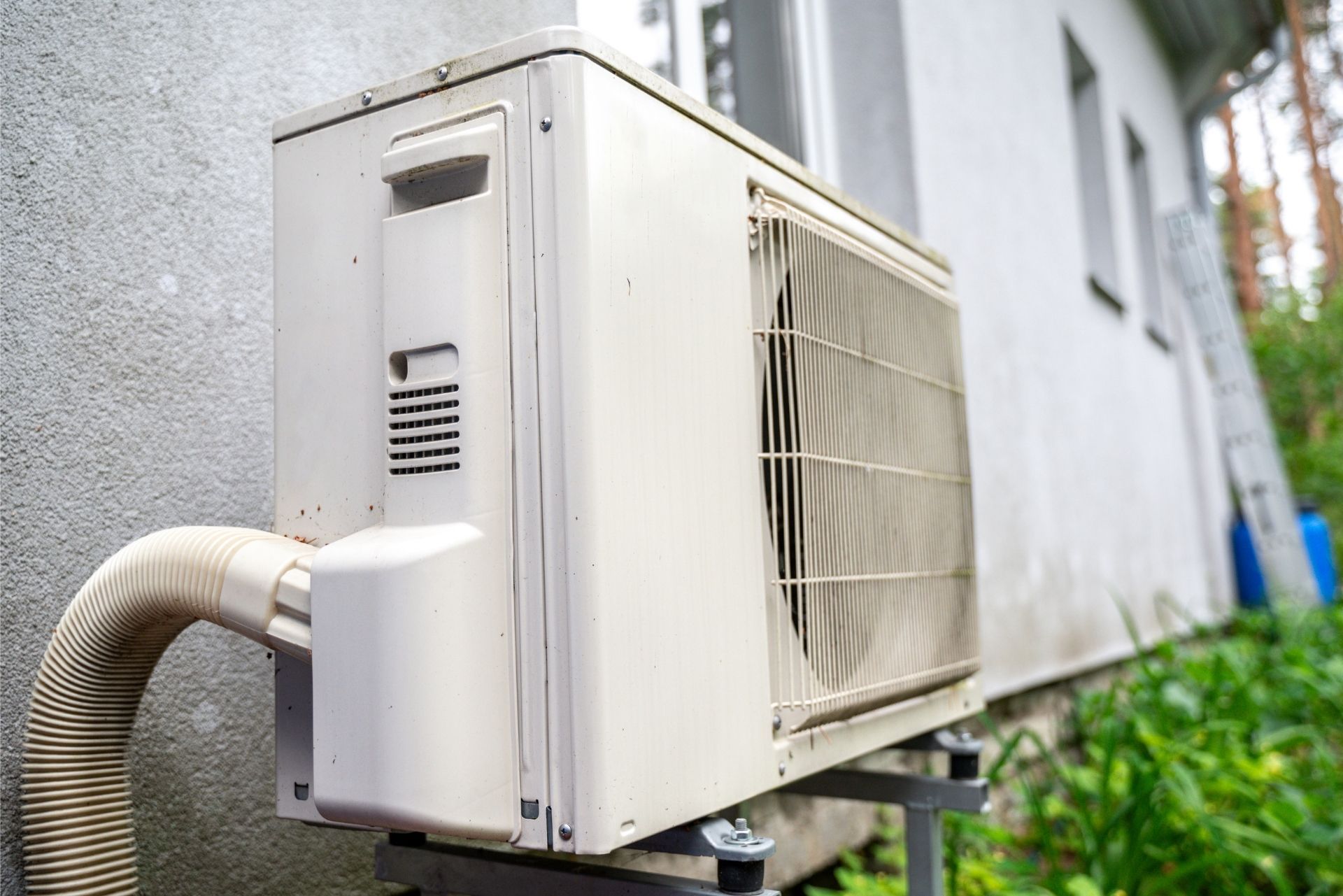
HVACInsure is fully licensed and permitted to sell contractor and commercial insurance in Florida.
We insure HVAC contractors throughout Florida and in 47 other states, providing compliant, affordable, and comprehensive coverage that meets project and regulatory requirements.
Core Insurance Requirements For Florida HVAC And Mini-Split Contractors
Florida does not publish a single “mini-split installer insurance” rulebook, but mini-split and heat pump contractors fall under the broader HVAC and mechanical contractor category. That means they are pulled into the same licensing, bonding, and insurance framework that applies to HVAC companies statewide. Understanding the main policies and minimums is the starting point for staying compliant and financially protected.
Think of your insurance program as five main pillars: general liability, property damage coverage, workers’ compensation, professional liability, and commercial auto. Optional policies, like tools and equipment coverage or cyber insurance, can be layered on top. The sections below focus on the big pieces most Florida mini-split and heat pump installers need to consider.
General Liability And Property Damage Minimums
General liability sits at the center of almost every contractor’s insurance program. It responds when a third party claims bodily injury or property damage tied to your work. If a refrigerant leak ruins a client’s wood floors, or a tech trips a customer and breaks an arm, this is usually the policy that comes into play.
Florida sets specific minimums for HVAC contractors. State guidance highlights that HVAC contractors are required to carry at least 100,000 dollars of general liability insurance and 25,000 dollars of property damage coverage, which gives a baseline for many licensing and contract requirementsFlorida contractor insurance minimums. Many installers choose higher limits, especially those who work in high-end homes, commercial properties, or multifamily buildings where a single loss can easily exceed entry-level coverage amounts.
For mini-split and heat pump work, general liability becomes especially important because much of the job happens inside finished spaces. Running new line sets through attics, drilling behind finished drywall, or setting concrete pads for condensers all create chances to damage existing property. Even a careful crew will eventually have an accident, so relying on a bare minimum limit can quickly start to feel uncomfortable as the business grows.
Workers’ Compensation For Field Crews
Once a Florida mini-split or heat pump installer hires employees, the risk profile changes. Techs carry units up stairs, work on ladders, navigate cluttered garages, and handle electrical connections. Even with strong safety practices, cuts, falls, strains, and heat-related illnesses can and do occur on job sites.
Florida treats those employee injuries as a core insurable risk. State-focused insurance advisors explain that if a Florida contractor has even one employee, carrying workers’ compensation insurance is mandatory to protect both the business and the worker from job-related injuries and lost wagesFlorida HVAC workers compensation requirement. Trying to skirt these rules by using “helpers” who are paid in cash or misclassified as independent contractors can backfire badly when an injury occurs and regulators or attorneys start asking questions.
Beyond compliance, workers’ comp also reinforces a professional image. When installers can tell general contractors, builders, and property managers that employees are fully covered, it is easier to win better commercial work. Some of the best recurring service contracts flatly require proof of an active workers’ compensation policy before a vendor is added to the approved list.
Professional Liability (Errors & Omissions) For Design And Sizing Work
Traditional general liability policies focus on physical damage. They are not designed to address claims that a contractor’s advice, design work, or installation decisions caused financial loss without a clear physical accident. That gap matters a lot in the mini-split and heat pump world, where system design and sizing are part of the value installers provide.
Professional liability insurance, often called errors and omissions or E&O coverage, exists to fill that gap. Florida-focused HVAC insurance specialists emphasize that professional liability insurance is vital for HVAC contractors because it protects the business from claims alleging mistakes or errors in the contractor’s work or professional adviceHVAC professional liability guidance. For example, a customer might argue that a multi-head mini-split system was undersized, leading to hot rooms and mold concerns, or that equipment was specified incorrectly for a coastal environment.
While not always required by the state for licensing, this type of coverage is increasingly requested in commercial contracts and larger residential builds. As more installers perform detailed load calculations, recommend specific brands, or integrate systems with smart-home platforms, the line between “installer” and “consultant” blurs, which makes E&O coverage more important.
Commercial Autos, Hurricanes, And Jobsite Driving Risk
Mini-split and heat pump installers spend a lot of time on the road. Service vans and box trucks carry expensive tools, flammable materials, and delicate equipment. In Florida, those vehicles also operate in a setting where tropical storms and hurricanes are regular threats, and the state can remain under emergency declarations for long stretches of the year.
Specialty contractor insurance advisors have documented that during a recent year, Florida operated under emergency declarations for over 240 days, and many standard commercial auto policies included exclusions or limitations that applied exactly during those emergency periodsFlorida commercial auto hurricane exclusions. The same advisors warn that standard commercial auto forms are often filled with hurricane-related exclusions that remove or sharply limit coverage when wind or flood is involved, even though that is when contractors are most likely to be called out for urgent work.
For a mini-split or heat pump installer, that means a serious review of the
commercial auto policy is not optional. It is worth asking specifically how coverage responds when a van is damaged by wind-blown debris while parked at a jobsite during a named storm, or when an employee has an accident while driving home after a long emergency shift. Clarifying who is insured, how tools and equipment in the vehicle are treated, and what happens during declared emergencies can prevent a contractor from discovering expensive gaps after a loss.
Licensing, Codes, And Compliance That Affect Your Coverage
Insurance and licensing are closely linked for Florida HVAC contractors. Many policies assume, in their fine print, that the insured contractor holds all required state and local licenses and follows applicable building and energy codes. When a claim hits, insurers and attorneys often pull permit records, license status, and inspection reports to evaluate whether the contractor’s work complied with those standards.
Florida’s quality installation guidance for HVAC systems spells this out directly. One widely cited specification for quality HVAC installations states that the contractor must possess all statutory and regulatory licenses for the business and, if needed, for each employee, based on the requirements in every jurisdiction where work is performedHVAC QI licensing standard. When a technician pulls a permit or signs off on a load calculation without the appropriate licensure, that disconnect can become a problem during a dispute, especially if an insurer believes the work fell outside the policy’s assumptions.
Florida also layers in fire and building code oversight that touches HVAC work. While the Fire Code Advisory Council operates independently from the Department of Insurance and from insurers themselves, its recommendations and the adopted fire codes influence how inspectors evaluate equipment clearances, refrigerant line routing, and penetrations through rated assemblies. Mini-split and heat pump installers who keep up with these code changes not only reduce claim risk, they also position themselves as higher-value partners for builders and property managers who want fewer inspection surprises.
How Compliance Connects To Claims
On the surface, a mini-split installed without a permit might look identical to a permitted system. The difference shows up later. When an unpermitted installation fails, and a homeowner or building owner files a claim, insurers and attorneys can argue that the lack of permits or inspections reflects substandard work or intentional avoidance of oversight.
Carrying the right insurance is only part of the equation. To get the full benefit of those policies, contractors need to make sure that the way they operate day to day lines up with the assumptions in the policy language. Keeping licensure current, pulling required permits, documenting equipment sizing and placement decisions, and following manufacturer instructions all help align real-world operations with what carriers expect.
Optional Coverages Smart Installers Are Adding
Once the main liability, workers’ compensation, professional liability, and auto policies are in place, many Florida mini-split and heat pump installers look at additional coverages that respond to more specific risks. These options are often affordable relative to the cost of a serious loss and can be the difference between absorbing a setback and shutting down operations after a catastrophe.
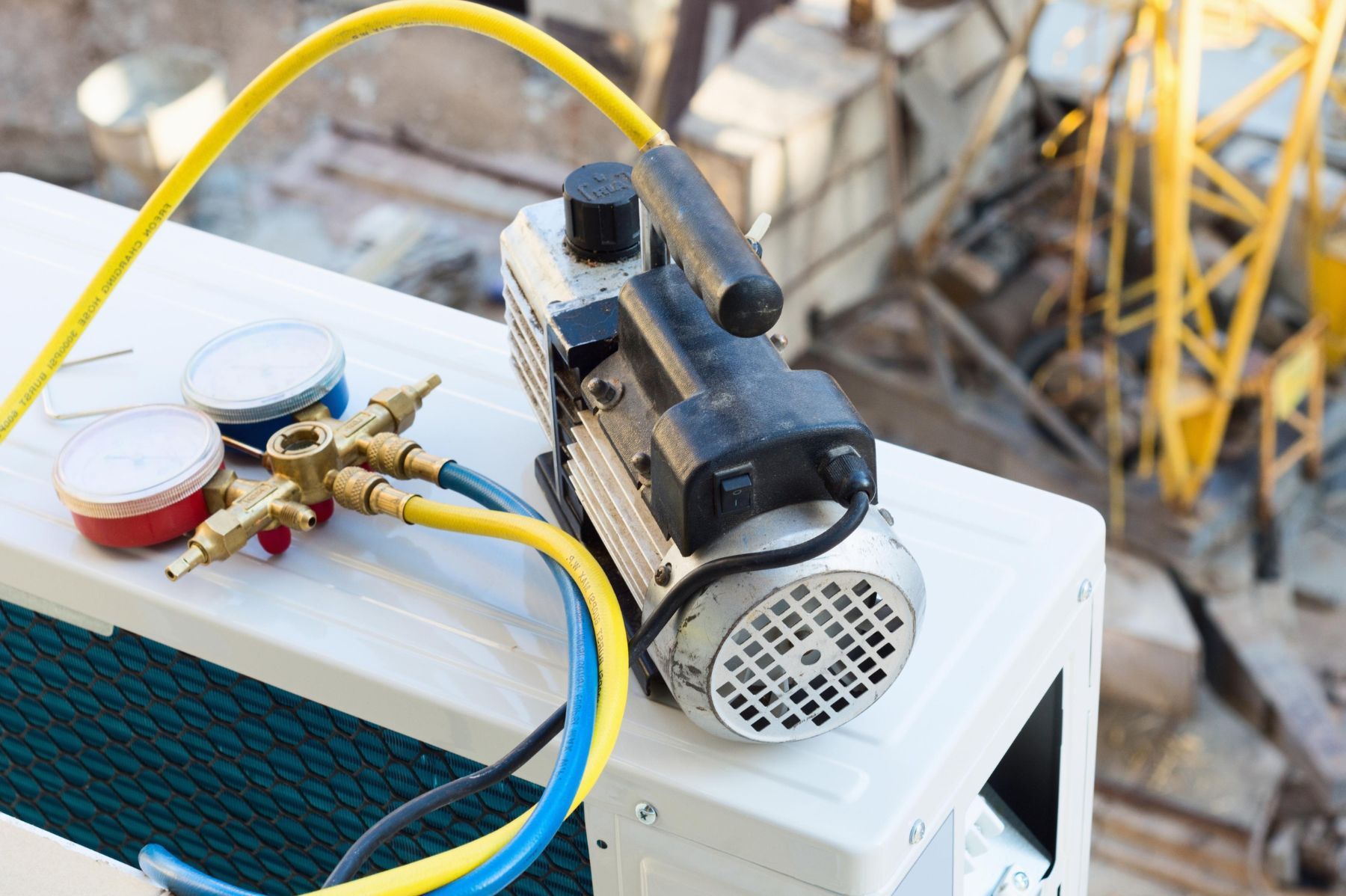
One common add-on is inland marine or tools and equipment coverage. This protects portable gear like vacuum pumps, recovery machines, wireless gauges, and power tools while they are in transit or at a jobsite. Since mini-split and heat pump installation requires specialized tools that are attractive to thieves and expensive to replace, this coverage has become increasingly popular, especially in metropolitan areas where van break-ins are a concern.
Property, Cyber, And Umbrella Protection
Installers who own a shop, office, or warehouse space also need property insurance that covers the structure, office contents, and inventory. With rising equipment costs, a single lightning strike, fire, or theft event can wipe out months of profit if the building and contents are underinsured or not covered at all. Property policies can sometimes be packaged with general liability for efficiency, though it is important to check limits carefully.
Cyber coverage is another area gaining traction. As more mini-split and heat pump businesses adopt field service management software, take online payments, and connect equipment to smart thermostats and cloud platforms, they become custodians of customer data and system access credentials. A simple phishing attack or compromised employee device can trigger notification costs, legal expenses, and reputational damage that cyber policies are designed to address.
Umbrella or excess liability coverage sits above primary policies and provides additional limits when a very large claim pierces those first layers. Installers who work on high-value custom homes, commercial projects, or large multi-unit properties often consider an umbrella policy to protect against the small but real possibility of a catastrophic injury or widespread property damage event tied back to their work.
How Insurance Strategy Supports Growth For Florida Mini-Split Businesses
Insurance can feel like a cost center, but for many Florida contractors it quietly functions as a growth tool. Well-structured coverage enables installers to take on larger projects, work for more demanding clients, and expand into new service offerings without putting the entire business on the line every time a new risk appears.
Digital tools, smart thermostats, and connected heat pump systems are speeding up that shift. Contractors who embrace smart technology often move from basic install-only work into performance monitoring, energy optimization, and long-term maintenance agreements. Those services can be extremely profitable, but they also introduce ongoing exposure if something goes wrong with remote settings, faulty sensors, or misunderstood alerts.
Industry analysis of Florida HVAC contractors has found that businesses that lean into digital marketing and smart technology frequently see dramatic revenue growth, which in turn raises the stakes if a major claim hits at the wrong moment. Forward-looking installers treat insurance as part of that growth plan, building limits, coverages, and risk management practices that match their ambitions instead of lagging several years behind them.
| Coverage Type | What It Protects | Why It Matters For Mini-Split & Heat Pump Work |
|---|---|---|
| General Liability | Third-party bodily injury and property damage | Covers accidents like damaged flooring, broken countertops, or injuries to customers during installation. |
| Property Damage Limit | Specific limit for damage to others’ property | Important when working inside finished homes or condos where a single mistake can be very expensive. |
| Workers’ Compensation | Employee injuries and lost wages | Protects field techs who climb ladders, crawl in attics, and handle electrical connections all day. |
| Professional Liability (E&O) | Claims of faulty design, sizing, or advice | Responds when customers allege that an installation was mis-sized or poorly designed, even without a clear accident. |
| Commercial Auto | Company vehicles and auto liability | Essential for vans and trucks that carry equipment and crews to jobs, especially with Florida’s hurricane risk. |
| Tools & Equipment | Portable tools and gear | Helps replace stolen or damaged tools that are critical for everyday installation and service work. |
| Umbrella Liability | Extra limits above other policies | Provides a buffer against rare but severe claims on high-value projects. |
Frequently Asked Questions About Florida Mini-Split & Heat Pump Installer Insurance
Do mini-split installers in Florida need a different policy than full-service HVAC contractors?
In most cases, mini-split and heat pump installers are insured under the same HVAC contractor classifications as traditional heating and cooling companies. The key is to make sure your policy accurately reflects the type of work you do, such as electrical connections, roof penetrations, and refrigerant handling, so there are no surprises if a claim occurs.
Is workers’ compensation still required if I only use part-time or seasonal helpers?
Florida regulators and insurance advisors warn that workers’ compensation can be required even when contractors think their helpers do not count as formal employees, especially once any level of control, supervision, and regular pay is involved, which is why guidance for HVAC contractors emphasizes the mandate once a business has even one worker on the payrollFlorida HVAC workers compensation rule. It is wise to speak with a knowledgeable agent or attorney before assuming that “helpers” are outside the rules.
Do I really need professional liability insurance if I only follow manufacturer manuals?
Even when installers follow manufacturer instructions, customers can still allege that system selection, sizing, or placement was inappropriate for their home or business. Professional liability coverage, or errors and omissions insurance, is designed to defend against and potentially pay such claims, which is why HVAC-focused insurers describe it as a vital layer of protection for contractors who design or recommend systemsHVAC E&O explanation.
How do hurricanes affect my commercial auto and general liability coverage?
Many standard commercial auto policies include hurricane-related exclusions and special conditions that can limit coverage for vehicle damage or certain claims during named storms and declared emergencies in FloridaFlorida hurricane auto exclusions. General liability policies can also include wind, water, or mold-related limitations, so it is important to review your forms carefully and talk through worst-case storm scenarios with your broker.
Can better insurance really help my mini-split installation business grow?
Yes. A strong insurance program makes it easier to qualify for larger projects, government work, and partnerships with builders or property managers who require higher limits and specific coverages. Industry research into Florida HVAC contractors found that companies embracing modern tools and smart solutions experienced an average revenue growth of 89 percent, and those fast-growing firms typically need more robust insurance to match their larger contracts and exposuresFlorida HVAC growth study.
What is the most important coverage for a small Florida mini-split installer just starting out?
The answer depends on your exact setup, but most small installers prioritize general liability to satisfy clients and protect against basic property damage or injury claims, then add workers’ compensation as soon as anyone else starts helping with the work. From there, professional liability, tools coverage, and commercial auto can be layered in as the business grows and takes on more complex jobs or employees.
Recognized by National HVAC Trade Associations
These trusted organizations set best practices and standards that carriers rely on when underwriting HVAC risks.
Membership signifies adherence to HVAC industry standards and contractor best practices.
Coverage for Crews, Vehicles, and Tools
Insurance for HVAC Contractors
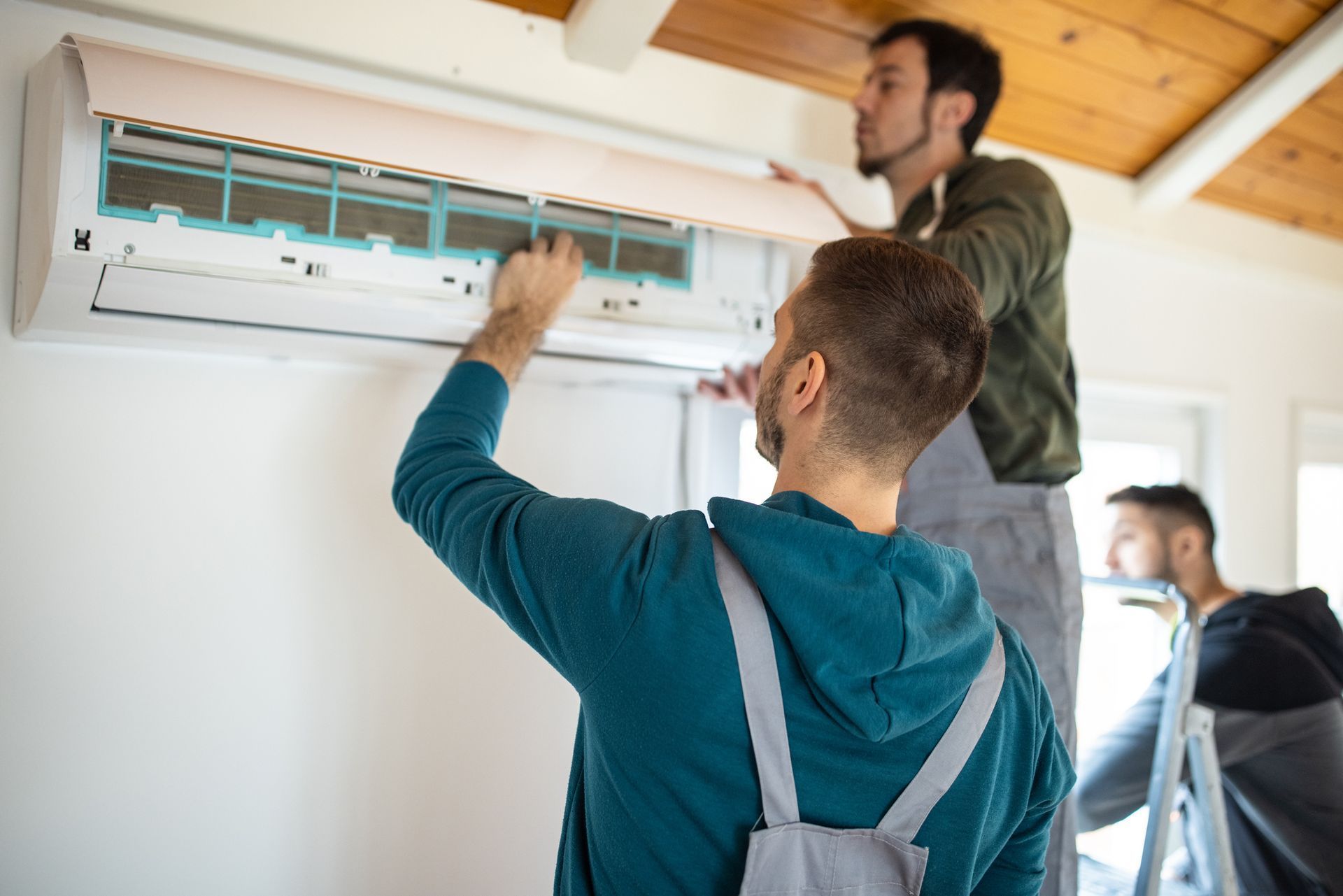
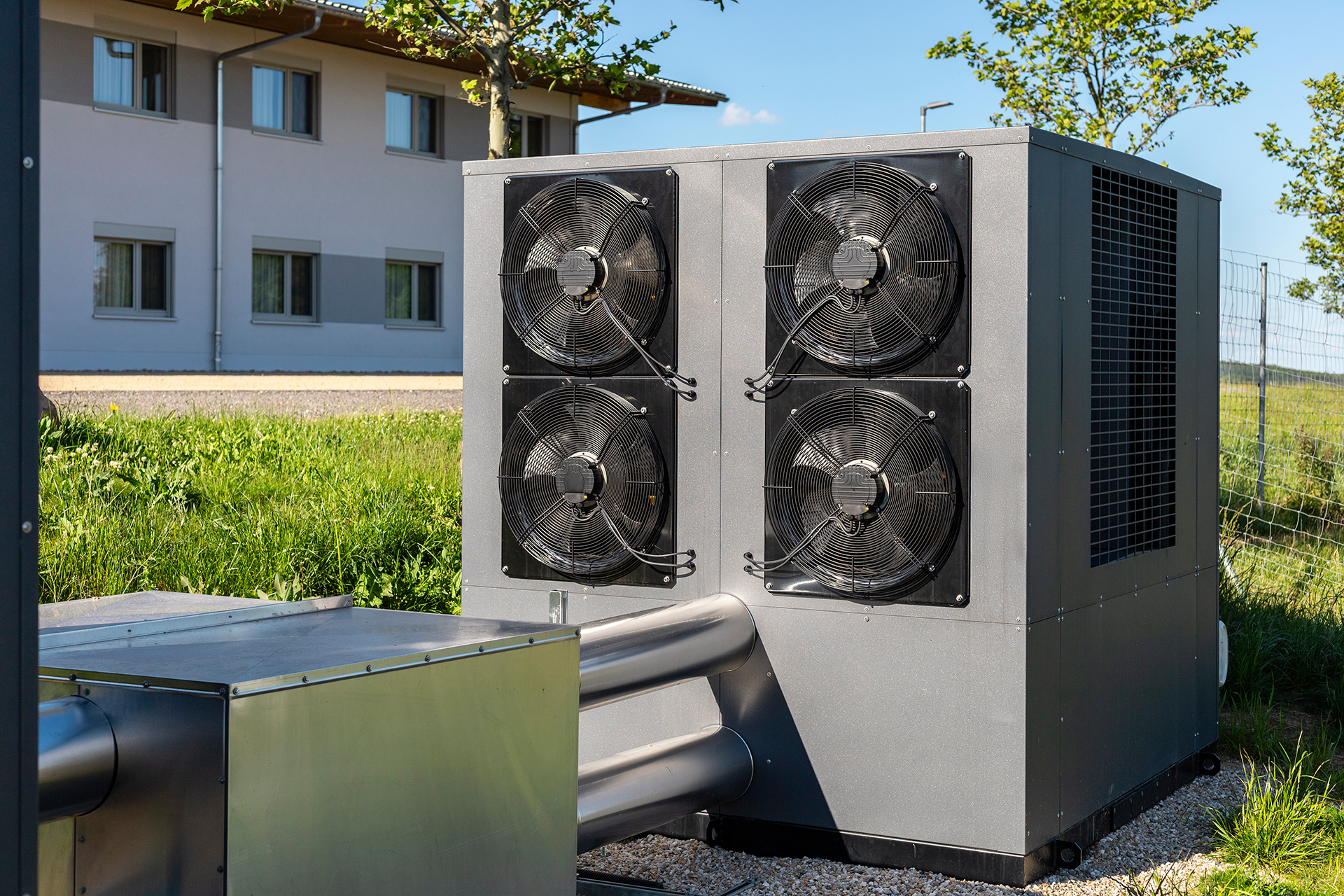
We provide business insurance designed for HVAC contractors. These policies protect your crew, vehicles, and tools while helping you meet project requirements. Every policy is explained clearly and delivered quickly so you can work without delays.

Resources
Insurance Tips for HVAC Contractors
Our blog is built for contractors who want fast answers. Each article covers common questions and risks in under five minutes of reading.


Frequently Asked Question
Common HVAC Contractor Insurance Questions
These FAQs address common contractor questions. As HVACInsure grows, we will update this section with real client experiences and answers.
Why should an HVAC contractor use HVACInsure instead of a general agency?
Specialists understand jobsite requirements, certificate wording, and common endorsements for HVAC work. You get cleaner paperwork, faster approvals, and coverage that fits how your crews operate.
This reduces delays at the gate, avoids gaps, and helps you pass compliance checks the first time.
How fast can I get a Certificate of Insurance (COI)?
Most standard COIs are issued the same business day after binding or updates. If you need additional insured, primary/non-contributory, or waiver language, we prepare it correctly the first time.
Our goal is simple: get your crew on site without paperwork delays.
What coverages do HVAC contractors usually need?
Core policies include General Liability, Commercial Auto, Workers’ Comp, Property/Tools, Inland Marine, and Umbrella. Many projects require higher limits and specific endorsements.
We align your coverage with contract terms and explain each choice in plain language.
Will my tools and scheduled equipment be covered in vans or on jobsites?
Yes. Inland Marine (tools and equipment) can cover items in transit, stored in vehicles, or staged on site.
High-value items can be scheduled, and limits can match your daily field use to keep work moving.
Can I lower my premium without weakening protection?
Often, yes. Clean driver lists, accurate payrolls, safety programs, and bundling policies can help.
We review your profile, request carrier credits, and adjust limits and deductibles to control cost while meeting project requirements.
What should I do after a loss?
Contact us right away so we can file with the correct carrier and set expectations. We guide documentation, next steps, and follow-ups until closure.
Fast reporting and clear records help resolve claims sooner and keep your team focused on work.

Still have questions?
Can’t find the answer you’re looking for? Please chat to our friendly team!
Contact Us