A Denver HVAC contractor can do everything right on a job, only to see the entire profit margin wiped out by a single accident, equipment failure, or claim dispute. That financial shock is getting harder to absorb in Colorado, where insurance carriers are tightening terms and raising prices. Recent data shows that Colorado now ranks as the sixth costliest state for homeowners insurance, with average annual premiums of 4,072 for 300,000 in coverage, a 58 percent jump from 2018 to 2023, which hints at the pressure the wider insurance market is under.
For HVAC businesses in Denver, that pressure shows up as higher premiums, more exclusions, and stricter underwriting. The right insurance program is not just a formality for licensing or a box to check for commercial clients. It is a core part of staying in business when something goes wrong on a roof in Aurora, in a mechanical room in LoDo, or on an icy driveway in Lakewood.
This guide breaks down how the current insurance climate affects HVAC companies around Denver, which coverages actually matter, what realistic costs look like, and how to structure a policy that can survive both a harsh winter and a hot, stormy summer.
Why Denver HVAC Contractors Face Unique Insurance Pressure
Colorado insurers are sounding alarms about the strain on the market. Industry voices have warned that the state sits on the brink of an insurance crunch, with fewer carriers competing, steeper rate hikes, and leaner coverage forms. That plays out on the ground when a contractor discovers a renewal offer with big price jumps or a new exclusion buried in the fine print.
Denver adds its own twists. Temperature swings are brutal, and equipment works harder at elevation. Hail, heavy snow, and wind put constant stress on rooftop units and vehicles. Urban density means more work in crowded downtown buildings, where a simple condensate leak can turn into extensive water damage. Suburban growth brings longer driving distances, more time on highways, and more chance for auto claims.
At the same time, there is a serious shortage of experienced HVAC technicians nationwide. Crews are stretched thin, training windows are shorter, and newer techs may be working on complex systems sooner than they would have in the past. That combination of skill gaps and intense job demands increases the odds of mistakes, injuries, and property damage if safety and oversight are not rock solid.

HVACInsure is fully licensed and permitted to sell contractor and commercial insurance in Colorado.
We insure HVAC contractors throughout Colorado and in 47 other states, providing compliant, affordable, and comprehensive coverage that meets project and regulatory requirements.
Core Insurance Policies Denver HVAC Companies Should Carry
Insurance carriers look at HVAC contractors as a cluster of different risk buckets. Each bucket calls for a particular type of policy. Gaps usually show up when a company relies on a single general liability policy and assumes everything will be covered.
A solid program for a Denver HVAC business usually includes at least general liability, workers compensation, commercial auto, and some form of property or inland marine coverage for tools and equipment. Many firms also benefit from professional liability, pollution coverage, and cyber protections, especially if they manage building automation systems or store customer data.
General liability insurance
General liability is the workhorse policy for HVAC contractors. It responds when a third party claims bodily injury or property damage caused by your work. Classic examples include a water line left loose that floods a finished basement, a client tripping over your tools, or refrigerant leakage leading to property damage.
For Denver contractors, general liability is central to commercial contracts. Larger property managers and general contractors typically require proof of coverage at specific limits, certificate wording, and endorsements. Without it, bids do not get accepted and access to premium projects disappears.
Workers compensation insurance
Working on rooftops, in crawl spaces, and with high-voltage equipment creates constant injury potential. Slips on ice, lifting injuries, cuts, and falls from ladders are everyday realities, especially during peak heating and cooling seasons.
Workers compensation covers medical bills and lost wages when employees are hurt on the job. It also protects the business against employee lawsuits tied to workplace injuries. In Colorado, carrying this coverage is not just a smart risk move, it is critical for staying compliant with state requirements when you have employees on the payroll.
Commercial auto insurance
Service vans and trucks are at the center of every HVAC business. They carry techs, tools, refrigerant, and sometimes expensive replacement units across the metro area. That much driving in Denver traffic, through snowstorms on I-25 or I-70, and in crowded downtown corridors raises the likelihood of fender benders, more serious crashes, and theft.
Commercial auto insurance covers liability if your driver causes an accident, and physical damage coverage can help repair or replace your vehicles. It is especially important to review who is allowed to drive, how personal use is handled, and whether you need non-owned and hired auto coverage for rented or employee-owned vehicles used for work.
Property and inland marine coverage for tools and equipment
HVAC tools and equipment live rough lives. They ride in vans, sit on job sites, move in and out of buildings, and occasionally stay overnight in less-than-secure locations. Standard property policies often only cover gear at your primary business address, which creates dangerous blind spots.
Inland marine or contractors equipment coverage is designed for mobile property. It can protect items while in transit, on the job, or temporarily stored at various locations. If someone breaks into a truck in a hotel parking lot in Denver Tech Center or a tool bag disappears from a downtown garage, this is usually the coverage that responds, not simple office property insurance.
Professional liability and design errors
Modern HVAC work goes far beyond swapping out units. Contractors advise on system sizing, energy efficiency, control strategies, and integration with building automation. When a design or recommendation fails, the dispute is less about physical damage and more about financial loss, lost rent, or downtime.
Professional liability, often called errors and omissions coverage, addresses claims that your advice, design, or programming caused a client to lose money. It is particularly relevant for contractors handling complex commercial, medical, or industrial systems around Denver, where climate requirements and code standards can be demanding.
What Denver HVAC Contractors Can Expect to Pay
Many owners and managers ask a simple question first: what will this cost. The honest answer is that pricing varies widely based on revenue, payroll, claims history, services offered, and how cleanly the business operates. That said, some industry benchmarks can help set expectations and guide budgeting.
Industry data suggests that HVAC liability insurance premiums often land between 1.3 and 2.6 percent of a contractors annual gross revenue, and a small operation earning about 150,000 in yearly revenue can see an average premium around 3,140. For a growing Denver shop, that means liability coverage alone can represent a meaningful slice of overhead.
General liability is only one line, though. According to one national marketplace, most HVAC contractors pay less than 95 per month for general liability insurance, with a median around 55 per month. In practice, Denver contractors working on larger or higher risk commercial projects may run higher than that midpoint, especially if they have past claims.
Why Colorado pricing skews higher
Carriers price coverage based on loss history and perceived future risk. Colorado has been hammered by severe weather, wildfires, and hail, which has driven up claims across property and casualty lines. Even though HVAC contractors might not be filing hailstorm claims directly, they still sit inside the same stressed regional market.
When insurers pay out more than expected in a region, they often respond by increasing premiums, raising deductibles, tightening coverage, or even pulling out of certain zip codes or industries. Contractors in Denver may see fewer carrier options at quote time and less flexibility on terms than peers in states with milder loss patterns.
Protecting Your Team: Workers Compensation in Denver
Labor is an HVAC companys most valuable asset, especially when skilled technicians are hard to find. Protecting that workforce is both a moral priority and a financial safeguard. Workers compensation sits at the heart of that strategy.
The physical demands of HVAC work in the Denver area are intense. Winter calls often happen in icy parking lots and on slick roofs. Summer brings hot mechanical rooms and long days in attics. Without proper safety practices, even routine maintenance visits can produce injuries that sideline a technician for weeks.
That same national marketplace reports that HVAC contractors pay a median of 127 per month, or about 1,524 per year, for workers compensation coverage. Actual costs for a Denver firm can skew up or down based on payroll size, classification of work, use of subcontractors, and experience modification rating.
Claims that drive workers comp costs
Slip and fall injuries on snow and ice are frequent during Colorado winters, especially in unshoveled alleys and rooftop access points. Strains and sprains from lifting condenser units, carrying furnaces, or hauling recovery machines also add up quickly. Electrical shocks, cuts, burns, and eye injuries are regular risks when working with live systems under time pressure.
Insurers look closely at a contractors safety culture. Written safety programs, training logs, use of fall protection, and incident reporting processes all matter. A company that shows consistent, documented efforts to reduce injuries is better positioned to negotiate with underwriters and push down long term workers comp costs.

Coverage Gaps That Trip Up Denver HVAC Companies
Many of the most painful losses for HVAC contractors do not come from spectacular disasters. They come from situations where everyone assumed a policy would respond, only to discover that the cause of loss is excluded in the wording.
In a recent claims study, analysts found that 39 percent of evaluated HVAC equipment losses were tied to causes that policies usually exclude, such as wear and tear or lack of maintenance. For Denver contractors, that is a loud warning about how important it is to understand what the policy will not pay for.
Wear and tear versus sudden damage
Most property and equipment policies are built to respond to sudden, accidental damage, not slow deterioration. Compressors that fail after years of heavy use or components that corrode over time are often considered maintenance issues, not covered events. When a client expects their insurer or their contractor to absorb those costs, tension rises quickly.
To manage expectations, many HVAC companies in Denver spell out maintenance responsibilities in their contracts. Clear language about what counts as normal wear, how neglected systems are handled, and when additional charges apply can prevent fights over coverage later. It also helps align what the insurance carrier sees as a claim versus what should be billed as additional work.
Equipment in transit and at job sites
Another frequent surprise involves tools and equipment that are damaged or stolen away from the shop. Contractors sometimes assume their business owners policy or office property coverage will automatically extend to a trailer full of gear or a rooftop crane lift.
In reality, those policies often have tight location limits. Without specific inland marine or contractors equipment coverage, a theft from a van outside a Denver apartment complex or damage to a stored unit in a temporary warehouse can end up coming straight out of pocket.
How Climate and Weather Risk Shape Denver HVAC Insurance
Climate patterns across the Front Range have been shifting, with more intense storms, unpredictable temperature swings, and wildfire smoke seasons that affect building operations. All of that filters into how insurers view risk in the region.
Insurers track not only historic claims but also modeled future losses. Severe convective storms, hail events, and the secondary impact of wildfires can all influence their appetite for certain kinds of property and construction risk. HVAC contractors often interact with building envelopes, roofs, and outdoor equipment that are directly exposed to these hazards.
Specialists tracking the market note that insurers are now weaving climate and catastrophe risk into their financial models, which directly affects coverage availability and pricing for HVAC contractors. For Denver companies, that can mean more scrutiny of loss control practices, documentation, and how jobs are planned around severe weather risks.
Adjusting operations to match insurer expectations
Contractors who show that they understand local hazards and adjust operations accordingly tend to fare better with underwriters. That might include documented hail protection practices for stored outdoor units, procedures for securing job sites before storms, or protocols for pausing unsafe roof work during high winds or lightning.
Even simple changes, like consistent use of vehicle telematics to monitor driving behavior or formal checklists for rooftop safety, signal to insurers that the company is serious about risk management. Those signals can mean the difference between a carrier offering quotes or passing on the account entirely.
Policy Comparison: Key Coverages At A Glance
It can be difficult to visualize how all these policies fit together. Looking at them side by side helps show what each does and where overlap or gaps might exist.
| Coverage Type | What It Protects | Typical HVAC Scenarios In Denver | Common Gaps To Watch |
|---|---|---|---|
| General liability | Third party bodily injury and property damage | Client slips on tools, water damage from a condensate line, damage to a finished space during installation ant injury | Faulty workmanship exclusions, subcontractor work not properly covered, limits too low for large commercial jobs |
| Workers compensation | Employee injuries and related medical and wage costs | Falls from ladders, lifting injuries when moving equipment, cuts and burns during service calls | Unreported payroll, misclassified staff, subcontractors treated as employees without coverage |
| Commercial auto | Company vehicles, accident liability, some physical damage | Service van collision in downtown traffic, backing into a clients fence, hail damage to a parked fleet | Personal use of vehicles, employees using their own cars for work, insufficient liability limits |
| Contractors equipment / inland marine | Portable tools, machinery, and equipment on the move | Theft of tools from a van, damaged crane lift equipment, stolen rooftop unit before installation | High value items not scheduled, equipment stored offsite without proper location details |
| Professional liability | Financial loss from errors in design, advice, or programming | Improperly sized system causing comfort issues, flawed controls programming that spikes energy costs | Assuming general liability will cover design disputes, not disclosing engineering or consulting work |
Seeing these coverages together reinforces that there is no single policy that replaces a thoughtful insurance plan. Each type addresses a different slice of risk, and Denver HVAC companies often need a blend tailored to their mix of residential, commercial, and industrial work.
Practical Steps To Strengthen Your Insurance Program
Insurance for HVAC contractors is not a set it and forget it purchase. Denver companies that treat it as part of continuous business planning, rather than a last minute renewal chore, usually get better outcomes and more favorable terms.
Take a hard look at job mix and revenue
Carriers care deeply about where your revenue comes from. A contractor focused on small residential replacements presents a different profile than one that handles large downtown chillers, hospitals, or cannabis grow facilities. When your job mix shifts, your coverage and classifications should follow.
Review how much work you do in multistory buildings, on rooftops, in industrial settings, or for public entities. Consider whether you are taking on more design responsibility, energy modeling, or control integration. All of these factors may need to be reflected on your applications and policy forms.
Tighten contracts and subcontractor controls
Many nasty claims begin with a subcontractor mistake that circles back to the prime HVAC contractor. Without proper hold harmless language, additional insured requirements, and proof that subs carry their own insurance, you can end up absorbing losses you did not cause.
Work with a legal professional to build standard subcontract agreements that match what your insurers expect. Then enforce them. Make certificate collection, contract signatures, and coverage verification part of your job setup process, not something that is handled informally in the field.
Document safety and maintenance culture
Underwriters respond to evidence. Written safety manuals, toolbox talk records, vehicle inspection logs, and incident investigations show that your team takes risk seriously. Photos of harness use on rooftops, properly guarded ladders, and neatly maintained mechanical rooms can go a long way when a carrier is deciding whether to offer a quote or set better terms.
Denver HVAC contractors that lean into documentation often find they have more leverage during renewal negotiations. When an insurer asks why they should trust your loss projections, you can point to real practices instead of vague assurances.
Frequently Asked Questions About Denver HVAC Contractor Insurance
Is general liability enough for a small HVAC business in Denver
General liability is essential, but it rarely covers everything. Even small shops typically need workers compensation if they have employees, commercial auto for their vans, and some form of equipment coverage to avoid paying out of pocket for stolen or damaged too
ls.Do I need professional liability if I do not sign off as an engineer
You might. If you size systems, recommend equipment, or program controls, clients can still claim that your advice caused them financial harm. Professional liability can be valuable even when a separate engineer seals the drawings.
How often should I review my insurance policies
At least once a year, and any time your business changes in a significant way. Adding service crews, expanding into new building types, or taking on design build work are all triggers for an off cycle review.
Are tools in my van covered under my business owners policy
Not always. Many business owners policies limit coverage to property at your main location. Without specific inland marine or contractors equipment coverage, gear that lives in vehicles or at job sites may not be fully protected.
Why are Colorado insurance rates climbing even if I have no claims
Carriers price at both individual and regional levels. Large losses from weather, wildfires, and other regional events can push rates higher for many businesses, even those with clean histories, because the overall pool of claims in the state has grown.
Can good safety practices really lower my premiums
Over time, yes. Strong safety programs help reduce claims, which directly influence workers compensation and sometimes other coverages. Visible commitment to risk control can also help in negotiations with underwriters.
Final Thoughts For Denver HVAC Companies
For Denver HVAC contractors, insurance is not just a licensing requirement or a client checklist item. It is the backstop that keeps a serious accident, a bad hailstorm, or a disputed equipment failure from turning into a business ending event. The tighter the Colorado insurance market becomes, the more important it is to know exactly what you are buying and how it fits your operations.
Pay close attention to how carriers handle wear and tear, maintenance problems, and equipment breakdowns. Make sure your general liability, workers compensation, commercial auto, and equipment policies line up with the kind of jobs you actually perform in and around Denver. Use contracts, training, and documentation to show insurers that you run a disciplined, safety focused company.
Most of all, remember that underwriters are looking closely at climate and catastrophe exposure in Colorado, and insurers are now weaving climate and catastrophe risk into their financial models, which directly affects coverage availability and pricing for HVAC contractors. Contractors who get ahead of those concerns, instead of waiting for painful renewals, are better positioned to secure stable, long term coverage that supports growth rather than holding it back.
Recognized by National HVAC Trade Associations
These trusted organizations set best practices and standards that carriers rely on when underwriting HVAC risks.
Membership signifies adherence to HVAC industry standards and contractor best practices.
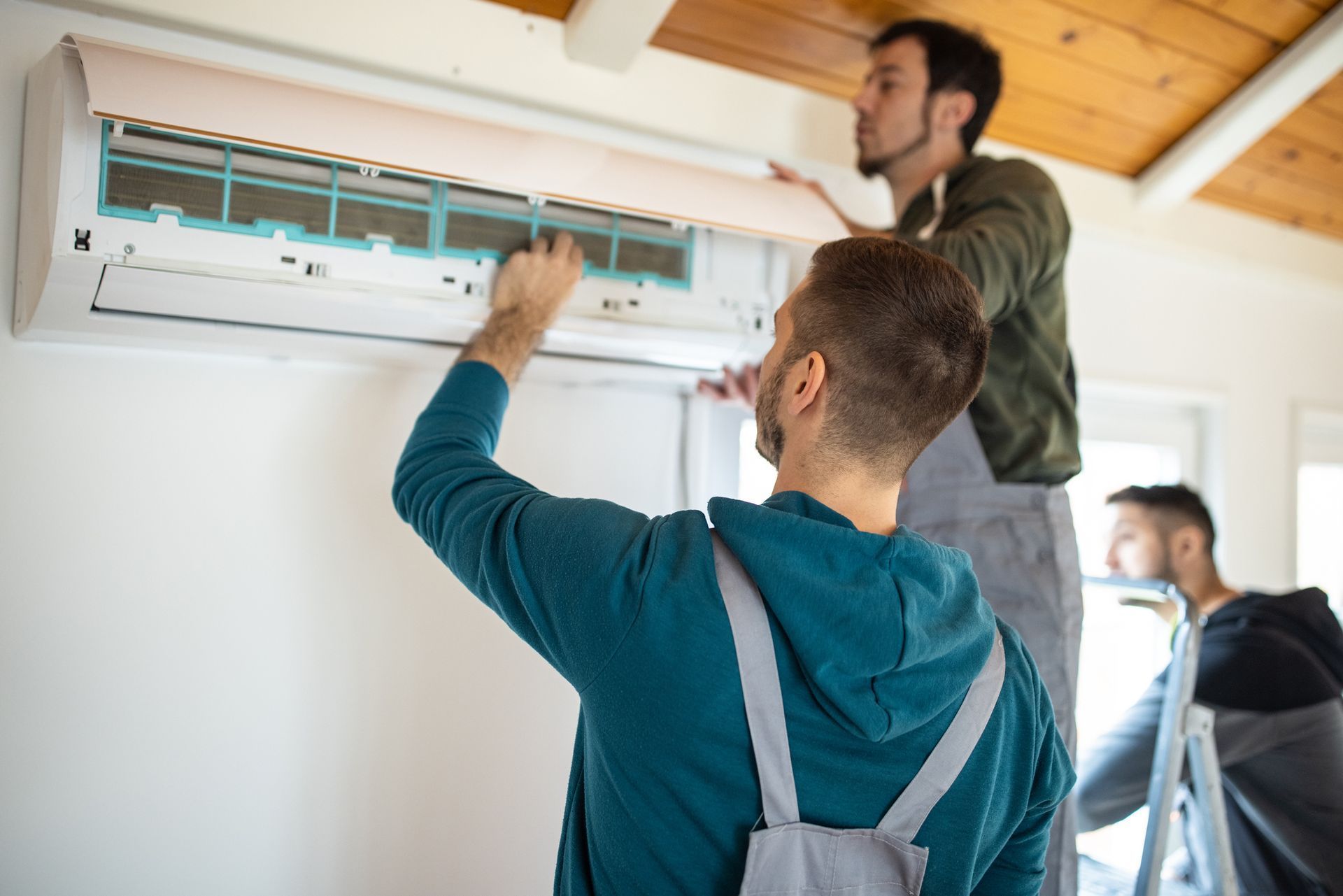
Coverage for Crews, Vehicles, and Tools
Insurance for HVAC Contractors
We provide business insurance designed for HVAC contractors. These policies protect your crew, vehicles, and tools while helping you meet project requirements. Every policy is explained clearly and delivered quickly so you can work without delays.

Resources
Insurance Tips for HVAC Contractors
Our blog is built for contractors who want fast answers. Each article covers common questions and risks in under five minutes of reading.


Frequently Asked Question
Common HVAC Contractor Insurance Questions
These FAQs address common contractor questions. As HVACInsure grows, we will update this section with real client experiences and answers.
Why should an HVAC contractor use HVACInsure instead of a general agency?
Specialists understand jobsite requirements, certificate wording, and common endorsements for HVAC work. You get cleaner paperwork, faster approvals, and coverage that fits how your crews operate.
This reduces delays at the gate, avoids gaps, and helps you pass compliance checks the first time.
How fast can I get a Certificate of Insurance (COI)?
Most standard COIs are issued the same business day after binding or updates. If you need additional insured, primary/non-contributory, or waiver language, we prepare it correctly the first time.
Our goal is simple: get your crew on site without paperwork delays.
What coverages do HVAC contractors usually need?
Core policies include General Liability, Commercial Auto, Workers’ Comp, Property/Tools, Inland Marine, and Umbrella. Many projects require higher limits and specific endorsements.
We align your coverage with contract terms and explain each choice in plain language.
Will my tools and scheduled equipment be covered in vans or on jobsites?
Yes. Inland Marine (tools and equipment) can cover items in transit, stored in vehicles, or staged on site.
High-value items can be scheduled, and limits can match your daily field use to keep work moving.
Can I lower my premium without weakening protection?
Often, yes. Clean driver lists, accurate payrolls, safety programs, and bundling policies can help.
We review your profile, request carrier credits, and adjust limits and deductibles to control cost while meeting project requirements.
What should I do after a loss?
Contact us right away so we can file with the correct carrier and set expectations. We guide documentation, next steps, and follow-ups until closure.
Fast reporting and clear records help resolve claims sooner and keep your team focused on work.

Still have questions?
Can’t find the answer you’re looking for? Please chat to our friendly team!
Contact Us