On a busy August afternoon in Dallas, a technician can move from attic to rooftop and back again, working around clients, vehicles, and expensive equipment. One mistake with a charged line set or an unattended ladder can turn a normal service call into a property damage claim or an injury on site. That is exactly where well built HVAC contractor insurance keeps a bad day from becoming a business ending disaster.
Why HVAC contractor insurance matters in Dallas
Dallas HVAC contractors work in tight spaces, extreme heat, and crowded neighborhoods. Systems are installed in attics, closets, high roofs, and commercial mechanical rooms. Each environment brings a mix of risk to customers, crew members, and company property that general business insurance alone rarely handles well.
Across the industry, HVAC liability insurance premiums usually fall between 1.3% and 2.6% of a contractor's annual gross revenue, which means insurance is a real line item, not a minor fee that gets lost in the budget. For a growing Dallas shop, that cost has to be justified by protection that actually fits the work you perform, the equipment you carry, and the contracts you sign.
Texas is also known for strong property rights and a legal environment that allows injured parties to pursue damages aggressively. When something goes wrong at a job in Highland Park, Plano, Oak Cliff, or Arlington, there is a good chance attorneys will be involved. Without the right mix of general liability,
workers compensation, and commercial auto coverage, even a smaller claim can drain cash reserves or lead to liens and garnishments.

HVACInsure is fully licensed and permitted to sell contractor and commercial insurance in Texas.
We proudly serve clients throughout Texas and maintain partnerships with local Texas insurance carriers to ensure HVAC professionals receive compliant, affordable, and comprehensive coverage that meets project and regulatory requirements.
Core coverages every Dallas HVAC contractor should consider
Not every HVAC business in Dallas looks the same. Some focus on residential change outs, others handle big commercial chillers or specialize in service work for property managers. Yet most successful contractors build their insurance programs around a common set of coverage types that protect against the most expensive and common problems.
Understanding each type of policy helps you see where you are strong, where you are exposed, and how to prioritize upgrades as your revenue and payroll grow. The goal is to cover the big risks without paying for protection you do not need.
General liability for client and property damage
General liability insurance is the backbone of HVAC contractor protection in Dallas. It responds when a customer or third party claims that your work caused bodily injury or property damage. Think about a condensate line that overflows and ruins hardwood floors, a coil cleaning that leads to leaks in a ceiling, or a refrigerant line punctured during a renovation.
Without this coverage, claims like those become direct hits to your balance sheet and your reputation. Many commercial clients, property managers, and builders will not even let you on site without proof of general liability and specific limits listed on a certificate of insurance. If you work on larger jobs around DFW, expect to see contract language spelling out minimum limits, additional insured status, and waiver of subrogation requirements.
Workers compensation and crew protection
Dallas summers are brutal on HVAC techs. Crews climb into superheated attics, lift heavy condensers, and move in and out of cramped mechanical rooms. That environment creates a steady risk of back injuries, falls, heat exhaustion, and tool related accidents. Workers compensation coverage helps pay medical bills and a portion of lost wages when employees get hurt on the job.
Texas handles workers compensation differently than many states, and employers technically can opt out. In practice, most growing HVAC contractors eventually choose either a formal workers comp policy or an alternative plan that satisfies general contractors and commercial clients. Without some form of crew protection, a single injury can lead to disputes, lawsuits, and lost contracts with safety focused partners.
Commercial auto for vans, trucks, and driving risks
HVAC companies in Dallas live on the road. Service vans, pickup trucks, and box trucks carry personnel, tools, recovery machines, and expensive parts from job to job. A commercial auto policy covers accidents that happen while those vehicles are being used for business, whether a tech rear ends another car on Central Expressway or backs into a client’s garage in Frisco.
Relying on a personal auto policy for work vehicles can leave you exposed, since many personal policies exclude business use once you start transporting tools, inventory, or employees. A good commercial auto policy can include liability for injuries and property damage, physical damage coverage for your vans and trucks, and sometimes rental or downtime coverage so your schedule does not collapse after a crash.
Tools, equipment, and installation coverage
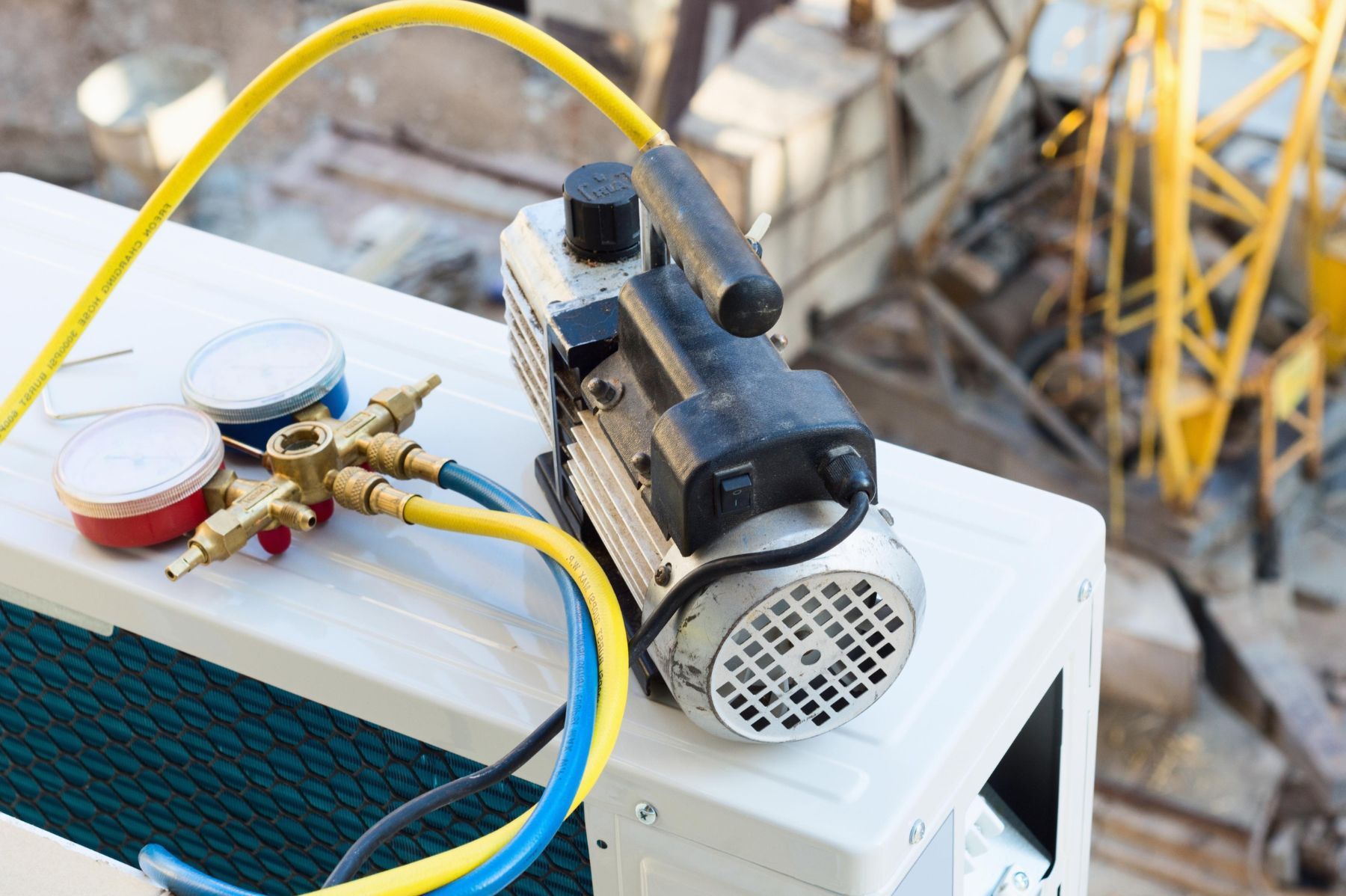
Modern HVAC work depends on sensitive and expensive tools. Recovery machines, vacuum pumps, combustion analyzers, leak detectors, cordless tools, and ladders often travel from job to job. Inland marine or equipment coverage helps protect these items against theft, fire, and other covered losses, whether they are stored at your shop, in vehicles, or on a client site.
Dallas contractors also benefit from installation floater or similar coverage that protects units, materials, and parts that have been delivered but not yet fully installed. That matters when a storm rolls through and damages a pallet of condensers on a job site or when a theft occurs overnight at a multifamily project where you are staging equipment ahead of installs.
What HVAC contractor insurance really costs in Dallas Texas
Premiums catch most business owners off guard the first time they price HVAC contractor insurance in Dallas. Instead of a flat fee, your costs are often calculated on revenue, payroll, number of employees, type of work, and claims history. For many HVAC businesses, the biggest driver is still gross revenue.
Industry data show that HVAC liability insurance typically costs between 1.3% and 2.6% of annual gross revenue, so a Dallas contractor with higher sales can expect premiums to climb even if the crew size stays stable. That percentage usually reflects a bundled package that includes general liability and often other coverages, which means it is important to understand what is and is not included in any quote you receive.
Research focused on HVAC contractors found that businesses that actively compare quotes and negotiate coverage terms can cut their premiums by 38% to 73% below market averages, especially in competitive states like Texas. That kind of savings can be the difference between running lean with room to invest in new trucks and techs or constantly feeling squeezed by fixed overhead.
In Texas, one detailed example showed that an HVAC contractor with
$150,000 in revenue faced average premiums of about $3,140, but aggressive shopping reduced that cost to roughly $860. Numbers like that illustrate how important it is not to accept the first quote or renew blindly without checking the market, especially when your sales and payroll have changed from the prior year.
| Scenario | Revenue | Estimated market premium | Potential premium with active shopping | Source |
|---|---|---|---|---|
| Texas HVAC contractor example | $150,000 | $3,140 | $860 | ContractorNerd HVAC insurance analysis |
Dallas contractors should use those figures as a benchmark, not a promise. Your actual costs will depend on your mix of residential versus commercial work, whether you handle new construction, how much subcontracting you do, and how carriers view your loss history. Still, seeing how quickly premiums can drop with the right approach helps justify the time spent gathering and comparing quotes.
How Texas insurance rules and risk shape your coverage
Texas stands out in several ways, and those differences matter to HVAC contractors based in Dallas. One of the most important is the legal and regulatory environment that governs property and casualty insurance, including liability and workers compensation markets. That environment affects which insurers are active in the state, how competitively they price policies, and how claims are handled when something goes wrong.
The Texas Department of Insurance publishes an annual analysis of premiums and claims by line of business, and the 2023 Annual Report highlights how commercial liability and workers compensation results continue to evolve. For Dallas HVAC contractors, this kind of statewide data provides insight into whether claim costs are climbing, which in turn can influence future premium trends during renewals.
Weather patterns also shape risk in North Texas. Severe thunderstorms, straight line winds, hail, and sudden temperature swings can damage vehicles, tools, job sites, and equipment in storage. While those events are handled under different policy sections, they all ultimately feed back into the overall risk picture that insurers use when pricing coverage for contractor classes in the Dallas Fort Worth area.

Shopping smart for HVAC insurance in Dallas
There is a big difference between buying the cheapest policy and building a smart insurance program that fits your HVAC business. Cheap coverage with gaps or exclusions that do not match your real work can end up costing more when you need it most. Shopping smart means understanding your own risk profile and using competition between insurers to your advantage.
Start by listing out your main operations. Do you focus on residential replacement, maintenance contracts for strip malls and office buildings, tenant finish outs, or large mechanical projects for industrial clients. Then think through your crew size, subcontractor use, and any higher hazard work such as roof top package unit swaps using cranes. This exercise gives you a clear picture of what needs to be covered before you ever request quotes.
Next, collect accurate numbers for revenue, payroll broken out by class of employee, vehicle schedules, and an inventory of key tools and equipment. Understating figures to chase a lower premium can backfire later during audits or claim investigations. Carriers and brokers take your submissions more seriously when the information is complete and clearly organized, which often results in better pricing options and smoother underwriting.
Diversifying your quote requests can also pay off. Some insurers are more comfortable with residential heavy books of business, while others prefer contractors that focus on commercial maintenance and service work. In many cases, packaging general liability, commercial auto, and equipment coverage with one insurer produces better terms than splitting coverage across multiple carriers, but this is not universal. A good agent or broker can help you test both approaches.
Working with specialist insurance partners in Texas
Contractors in Dallas benefit from working with insurance partners who truly understand the trades. Generic business insurance providers may not appreciate how HVAC risks overlap with plumbing, electrical, and general contracting, or how jobsite requirements on large projects affect your coverage needs and contract wording.
Specialist firms focused on mechanical trades emphasize practical benefits such as independent guidance, national market access, and onboarding that keeps field crews moving. They understand how to align your insurance program with licensing rules, safety practices, and the compliance demands of builders and property managers across Texas.
Some Texas focused agencies position themselves around construction clients and offer general liability and workers compensation programs tailored to trades, with an emphasis on affordability and flexible options. Providers such as Texas Construction Insurance highlight workers compensation and liability coverage designed for contractors, which can be attractive for smaller or mid sized HVAC shops that need competitive pricing but still want responsive service and claims support.
Frequently asked questions about HVAC contractor insurance in Dallas
HVAC owners and managers in Dallas tend to raise the same set of questions when they first look at their insurance program or consider switching providers. The answers below are short and practical, designed to give quick clarity before you dig deeper into quotes and policy language.
Is general liability enough for a small HVAC business in Dallas?
General liability is essential, but it rarely covers all the major risks a contractor faces. You still need to think about workers compensation options, commercial auto for your vans and trucks, and protection for tools and installation materials, even if your crew is relatively small.
Do I really need workers compensation if Texas does not require it?
Legally, Texas allows some employers to operate without formal workers compensation, but many general contractors and commercial clients will not work with you unless you have it or an approved alternative. It also reduces the chance of expensive disputes if a technician is injured on the job and needs medical treatment and wage replacement.
How often should I shop my HVAC insurance in Dallas?
Most contractors review their program and competitive options at least once a year around renewal time. A fresh look is especially important if your revenue, payroll, fleet, or type of work has changed, since those shifts can make older policies and pricing less accurate.
Can bundling coverages lower my HVAC insurance costs?
Packaging general liability, commercial auto, and equipment coverage with the same insurer can lead to better pricing or broader terms, but it is not guaranteed. Ask your broker to compare bundled quotes against a mix of separate policies so you can see which combination offers the best value.
What if I use subcontractors instead of employees?
Using subcontractors changes how insurers view your risk, but it does not eliminate your exposure. You will want contracts that require subs to carry their own insurance, plus verification of their certificates, and you may still need coverage for situations where a client sues you first and expects you to sort things out with the subcontractor later.
Are tools and equipment automatically covered on my policy?
Tools and equipment are not always covered under standard general liability policies. Many HVAC contractors need separate inland marine or equipment coverage to protect their gear wherever it is stored or used, including vehicles and job sites around Dallas.
How can I keep claims from ruining my premiums?
Strong safety practices, clear incident reporting, and quick communication with your insurance partner all help keep claims under control. Over time, a cleaner loss history usually leads to better pricing options and more carriers willing to quote your account.
Before you go: key takeaways for Dallas HVAC pros
Insurance for HVAC contractors in Dallas is not just a box to check for licensing or contracts. It is a financial safety net that protects against property damage claims, injuries to crew members, vehicle accidents, and theft or loss of tools and equipment. When built correctly, your program should keep your business in motion even when something goes wrong, instead of pushing you into a cash flow crisis or legal fight.
Cost control matters, especially when premiums often represent a noticeable percentage of your annual gross revenue, but chasing the lowest number without understanding coverage details can turn into a false savings. Working with specialists who regularly insure HVAC, plumbing, and electrical trades, such as those highlighted by HVAC focused insurance providers, helps ensure that you are comparing meaningful options rather than just headline prices.
For Dallas contractors, the right approach blends three ideas. First, understand your own operations and risk, so you know what truly needs to be covered. Second, use competition in the Texas market to secure better pricing and terms instead of accepting the first offer. Third, treat your insurance partner as part of your extended team, looping them in as your revenue, crew, and type of work evolve. That combination gives your business a better chance to grow steadily, win better jobs, and weather the unexpected problems that come with keeping Dallas cool year round.
Recognized by National HVAC Trade Associations
These trusted organizations set best practices and standards that carriers rely on when underwriting HVAC risks.
Membership signifies adherence to HVAC industry standards and contractor best practices.
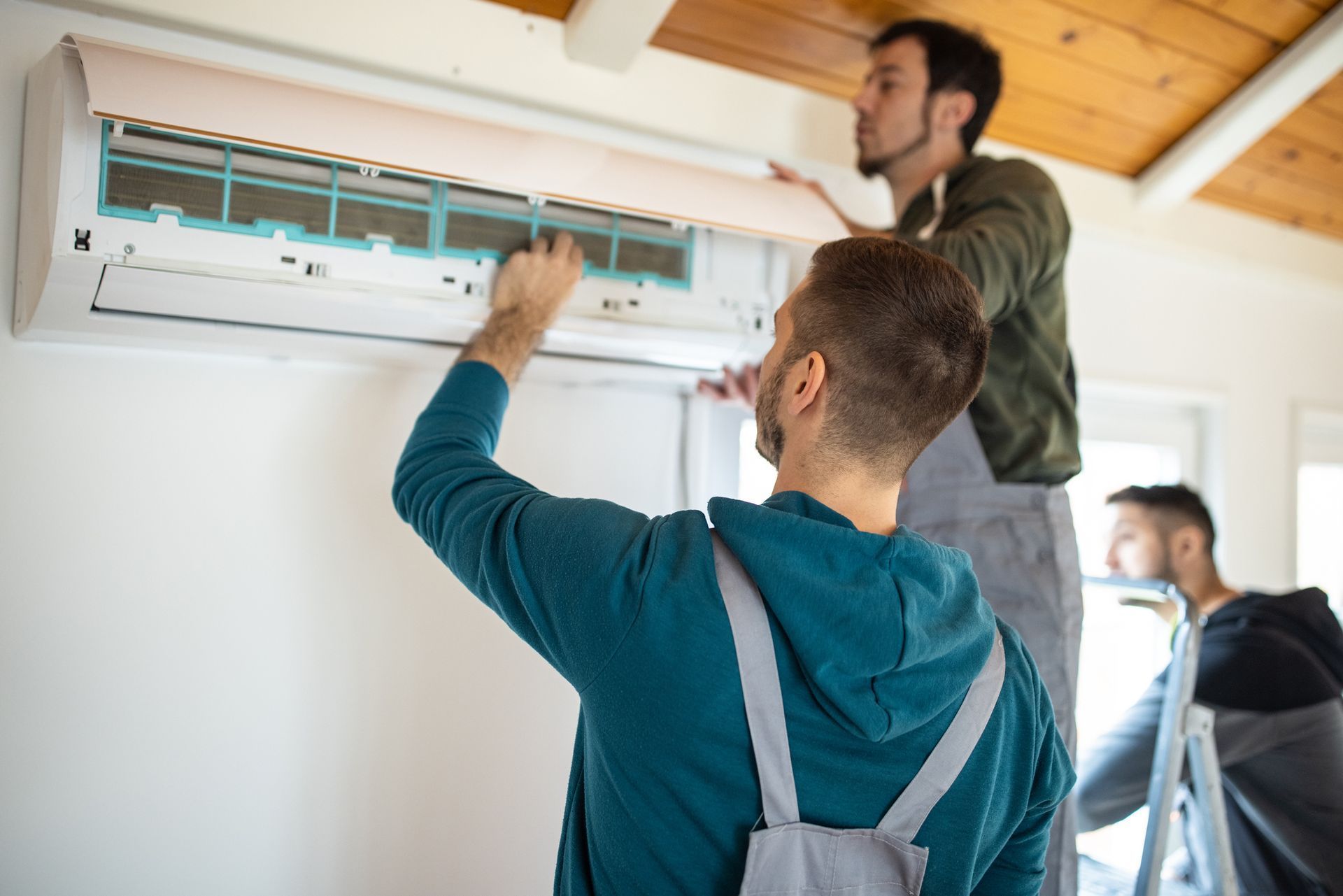
Coverage for Crews, Vehicles, and Tools
Insurance for HVAC Contractors
We provide business insurance designed for HVAC contractors. These policies protect your crew, vehicles, and tools while helping you meet project requirements. Every policy is explained clearly and delivered quickly so you can work without delays.

Resources
Insurance Tips for HVAC Contractors
Our blog is built for contractors who want fast answers. Each article covers common questions and risks in under five minutes of reading.


Frequently Asked Question
Common HVAC Contractor Insurance Questions
These FAQs address common contractor questions. As HVACInsure grows, we will update this section with real client experiences and answers.
Why should an HVAC contractor use HVACInsure instead of a general agency?
Specialists understand jobsite requirements, certificate wording, and common endorsements for HVAC work. You get cleaner paperwork, faster approvals, and coverage that fits how your crews operate.
This reduces delays at the gate, avoids gaps, and helps you pass compliance checks the first time.
How fast can I get a Certificate of Insurance (COI)?
Most standard COIs are issued the same business day after binding or updates. If you need additional insured, primary/non-contributory, or waiver language, we prepare it correctly the first time.
Our goal is simple: get your crew on site without paperwork delays.
What coverages do HVAC contractors usually need?
Core policies include General Liability, Commercial Auto, Workers’ Comp, Property/Tools, Inland Marine, and Umbrella. Many projects require higher limits and specific endorsements.
We align your coverage with contract terms and explain each choice in plain language.
Will my tools and scheduled equipment be covered in vans or on jobsites?
Yes. Inland Marine (tools and equipment) can cover items in transit, stored in vehicles, or staged on site.
High-value items can be scheduled, and limits can match your daily field use to keep work moving.
Can I lower my premium without weakening protection?
Often, yes. Clean driver lists, accurate payrolls, safety programs, and bundling policies can help.
We review your profile, request carrier credits, and adjust limits and deductibles to control cost while meeting project requirements.
What should I do after a loss?
Contact us right away so we can file with the correct carrier and set expectations. We guide documentation, next steps, and follow-ups until closure.
Fast reporting and clear records help resolve claims sooner and keep your team focused on work.

Still have questions?
Can’t find the answer you’re looking for? Please chat to our friendly team!
Contact Us