After a severe hailstorm rolls across the Front Range, HVAC maintenance contractors are often right behind the roofers, checking damaged condensers, rooftop units, and building controls. One wrong move on a wet metal roof or a dispute over what caused the failure can turn a profitable job into a costly insurance claim.
Colorado now ranks as the sixth costliest state for homeowners insurance, with average annual premiums of $4,072 for a policy carrying $300,000 in coverage and a 58 percent jump between 2018 and 2023 according to one statewide analysis, which shows how sharply property risk has escalated in the state tracking Colorado insurance costs.
The same forces that drive those homeowner premiums affect commercial properties and service contractors. For HVAC maintenance businesses, that means higher rates, tighter policy terms, and a lot more scrutiny from insurers on how work is performed and how risk is managed day to day.
Why insurance matters so much for Colorado HVAC maintenance contractors
HVAC maintenance work in Colorado is not limited to swapping filters and tightening bolts. It involves rooftops slick with snowmelt, confined mechanical rooms, energized equipment, and clients who expect not just comfort but flawless operation in challenging weather.
Any of those jobs can create three kinds of financial hits at once: damage to a customer’s property, injury to a technician, and loss or theft of expensive tools and service vehicles. Without the right coverage, even a single accident can threaten cash flow for months or force a small shop to walk away from larger commercial work.
On top of that, insurers are looking at the broader Colorado risk picture, including more severe storms, large property losses, and a growing contractor market. Policies that used to be relatively straightforward now often include higher deductibles for hail, more exclusions, and complex wording around equipment breakdown and wear and tear.

HVACInsure is fully licensed and permitted to sell contractor and commercial insurance in Colorado.
We insure HVAC contractors throughout Colorado and in 47 other states, providing compliant, affordable, and comprehensive coverage that meets project and regulatory requirements.
Essential insurance coverages for Colorado HVAC maintenance businesses
Most HVAC maintenance contractors carry at least a basic business policy, yet many discover coverage gaps only after a claim is denied. The right portfolio of policies protects against lawsuits, employee injuries, vehicle accidents, and damage to your own gear and shop.
Each coverage plays a different role. Insurers also review how these pieces fit together, especially for contractors who service large commercial buildings, industrial sites, or multi property portfolios across Colorado’s storm exposed regions.
General liability: the foundation of contractor protection
General liability is often the first policy a landlord or commercial client asks to see, because it responds when your work or operations are alleged to have caused bodily injury or property damage. For HVAC maintenance contractors, that might be a claim that a tech dropped a tool through a ceiling tile, damaged a condenser coil, or left water on a floor that led to a slip and fall.
Professional liability and faulty workmanship concerns
Traditional general liability policies are not designed to cover every situation where a client claims the system was misdiagnosed or serviced improperly. Professional liability, sometimes called errors and omissions, can help address allegations that poor maintenance, incorrect settings, or bad advice led to comfort problems, downtime, or equipment damage that is not strictly accidental.
Commercial property coverage for shops, inventory, and equipment
Property insurance protects the physical side of your business, including your office or shop space, warehouse areas, inventory of parts, and larger equipment that stays at your premises. In Colorado, where hail, wind, and fire risk can be significant, carriers look closely at roof types, building construction, and exposure to severe weather when pricing and structuring this coverage.
Inland marine and tools coverage
Service contractors rely heavily on movable tools, diagnostic devices, and job specific equipment that lives in vans or moves from site to site. Inland marine or equipment floater coverage helps protect those items against theft, accidental damage, or certain other covered causes while in transit or on a client’s property, instead of limiting coverage only to items kept at the shop.
Workers compensation for field and office staff
Workers compensation is required for most employers and covers medical costs and lost wages when employees are injured or become ill due to their work. For HVAC maintenance crews climbing ladders, handling refrigerants, and working around energized equipment, this coverage is essential, and insurers pay attention to training, safety programs, and how tasks are assigned between experienced techs and newer helpers.
Commercial auto for service vehicles
Service vans, pickup trucks, and box trucks carry tools, parts, and people across Colorado highways and mountain roads. Personal auto policies usually will not respond if the vehicle is primarily used for business, so contractors rely on commercial auto coverage to protect against accidents, liability for injuries and property damage, and in many cases physical damage to the vehicles themselves.
How Colorado weather and property trends shape your risk
Colorado’s climate creates specific hazards for HVAC maintenance contractors. Rooftop package units are exposed to hail, snow, high winds, and intense sun, while residential condensers, VRF systems, and control wiring face similar punishment at ground level.
Recent coverage of the Colorado market has described how frequent and severe hail and windstorms have driven heavy commercial property losses and pushed some insurers to tighten underwriting rules or withdraw from certain segments altogether as detailed in regional business reporting.
Risk advisors in the state often recommend practical mitigation steps, such as installing hail resistant roofing materials, reinforced windows, and better protected rooftop units, which can not only reduce damage but sometimes help keep insurance options open for property owners and their contractors who depend on those accounts
according to Colorado focused insurance analysis.
Colorado HVAC market growth and what it means for insurance
The HVAC maintenance sector in Colorado is not shrinking. Residential growth, aging building stock, and more complex mechanical systems are all driving stronger demand for service contracts, inspections, and energy efficiency upgrades.
The heating and air conditioning contractors industry in Colorado is projected to reach a value of $2.8 billion by 2025, across 2,834 establishments that together employ 11,773 people, a signal that more firms and jobs are entering the risk pool that insurers must underwrite based on state level industry research.
As the sector grows, carriers pay closer attention to which contractors embrace strong risk management and which operate informally. Businesses that document maintenance programs, track training, and show a clean loss history are often in a better position to negotiate coverage terms than those that treat insurance purely as a box to check for a client contract.

Common claim problems and how the right policy responds
Not every HVAC related loss ends up being covered. Many claims disputes center on whether damage was sudden and accidental or the result of long term wear, corrosion, or lack of maintenance. That distinction matters a lot in policy language.
According to the 2024 HVACi Annual Claims Report, 39 percent of evaluated HVAC equipment losses were traced to causes that insurance policies usually exclude from coverage, highlighting how often contractors and property owners misunderstand what their policies actually pay for based on national HVAC claims analysis.
Maintenance contractors sit right in the middle of these disputes. Property owners may argue that a recent service visit should have prevented the failure, while insurers may point to long term deterioration. Having clear scopes of work, documented recommendations, and appropriately designed liability and professional coverage can make a difficult situation survivable.
To see how coverage choices change real world outcomes, compare a bare minimum policy approach with a more robust program tailored to Colorado HVAC maintenance work.
| Risk Area | Minimal Coverage Approach | Comprehensive HVAC Contractor Approach |
|---|---|---|
| Client property damage | Basic general liability only, limited clarity around faulty workmanship or service errors. | General liability plus professional liability, clear wording on completed operations and service obligations. |
| Technician injuries | Workers compensation in place, but limited safety documentation, higher risk of disputes and audits. | Workers compensation supported by written safety programs, training logs, and job hazard assessments. |
| Tools and diagnostic equipment | Some items informally covered under property policy at the shop, little protection while on the road. | Scheduled tools and diagnostic gear under an inland marine or equipment floater, including coverage at job sites. |
| Service vehicles | State minimum commercial auto liability, possible gaps in physical damage coverage or hired and non owned exposure. | Higher liability limits, physical damage, and appropriate endorsements for borrowed, rented, or personally owned vehicles used for work. |
| Large or unusual claims | Reliance on primary policies only, increased exposure if a lawsuit exceeds limits. | Excess or umbrella liability on top of primary policies to handle severe injury or property damage claims. |
This comparison shows why many Colorado HVAC maintenance firms move beyond the minimum required policies once they begin handling larger commercial accounts or high value properties. The cost difference between basic and well structured coverage is often far smaller than the gap in protection when a major claim hits.
Staffing, technician shortages, and what insurers really care about
Colorado’s HVAC maintenance contractors are hiring aggressively, and many struggle to find enough experienced technicians. That talent gap has very real insurance implications, because new techs tend to have more accidents, more callbacks, and more exposure to unfamiliar situations.
Across the country, the HVAC trade faces a projected shortage of about 225,000 technicians by 2025, which directly affects risk profiles as contractors hire faster and rely more on less experienced workers in the field according to a recent HVAC insurance market outlook.
Underwriters know this and often ask detailed questions about hiring practices, supervision, ride along programs, and how quickly new hires are allowed to work solo on rooftops or in critical mechanical rooms. Contractors who can show structured onboarding, mentorship, and ongoing training present a stronger story to insurers than those who simply put new hires in a truck and send them to the next call.
Smart strategies to control and reduce your premiums
While insurance prices are influenced by broad market conditions, HVAC maintenance contractors in Colorado still have meaningful control over how carriers view their accounts. The goal is to show that the business actively manages risk rather than leaving outcomes to chance.
Property related mitigation is a major lever. Contractors who advise building owners on protecting rooftop units, securing access ladders, improving drainage near equipment pads, and installing hail resistant materials align with the strategies risk experts recommend for reducing catastrophic losses, which in turn can support more favorable terms on property and liability coverage for everyone involved as highlighted in Colorado business risk discussions.
Operationally, insurers look closely at loss history, claim reporting habits, and documentation. Simple but consistent practices such as taking photos before and after service, logging findings in a central system, and having techs capture digital signatures on scopes of work can help resolve disputes quickly and demonstrate professionalism during underwriting reviews.
It also helps to review policies with a broker who understands both HVAC and Colorado specific weather exposures. Adjusting deductibles, consolidating carriers where it makes sense, and making sure endorsements address real world risks like equipment breakdown, hired non owned autos, or additional insured requirements on client contracts can prevent unpleasant surprises later.
Frequently asked questions about Colorado HVAC maintenance contractor insurance
HVAC maintenance contractors across Colorado ask many of the same questions when they start reviewing or renewing their insurance. The answers below address common concerns in practical language that fits day to day operations.
What types of insurance does a Colorado HVAC maintenance contractor usually need?
Most contractors rely on a combination of general liability, workers compensation, commercial auto, and property coverage, supplemented with inland marine or tools coverage and sometimes professional liability, a mix often recommended in specialized HVAC insurance guidance tailored to Colorado HVAC businesses.
Why are my premiums going up even if I have not had many claims?
Premiums reflect not only your individual loss history but also broader trends in Colorado, including more severe storms, higher reconstruction costs, and a growing volume of large property losses that carriers must fund across their policyholders.
How does technician experience affect my insurance costs?
Carriers typically view well trained, closely supervised technicians as a lower risk than crews with high turnover and little formal training, so documenting ride along programs, toolbox talks, and safety meetings can help support better pricing and coverage options.
Are equipment breakdowns from normal wear and tear usually covered?
Standard policies often distinguish between sudden, accidental damage and long term deterioration, so many failures linked to age, corrosion, or lack of maintenance may not be covered unless a specific equipment breakdown endorsement or policy is in place.
What can I do before renewal to present my business in the best light to insurers?
Gather updated loss runs, safety and training records, photos of key projects, and any documentation of risk mitigation steps on properties you service, then work with your broker to tell a clear story about how your company identifies, manages, and reduces risk across its HVAC maintenance operations in Colorado.
Recognized by National HVAC Trade Associations
These trusted organizations set best practices and standards that carriers rely on when underwriting HVAC risks.
Membership signifies adherence to HVAC industry standards and contractor best practices.
Coverage for Crews, Vehicles, and Tools
Insurance for HVAC Contractors
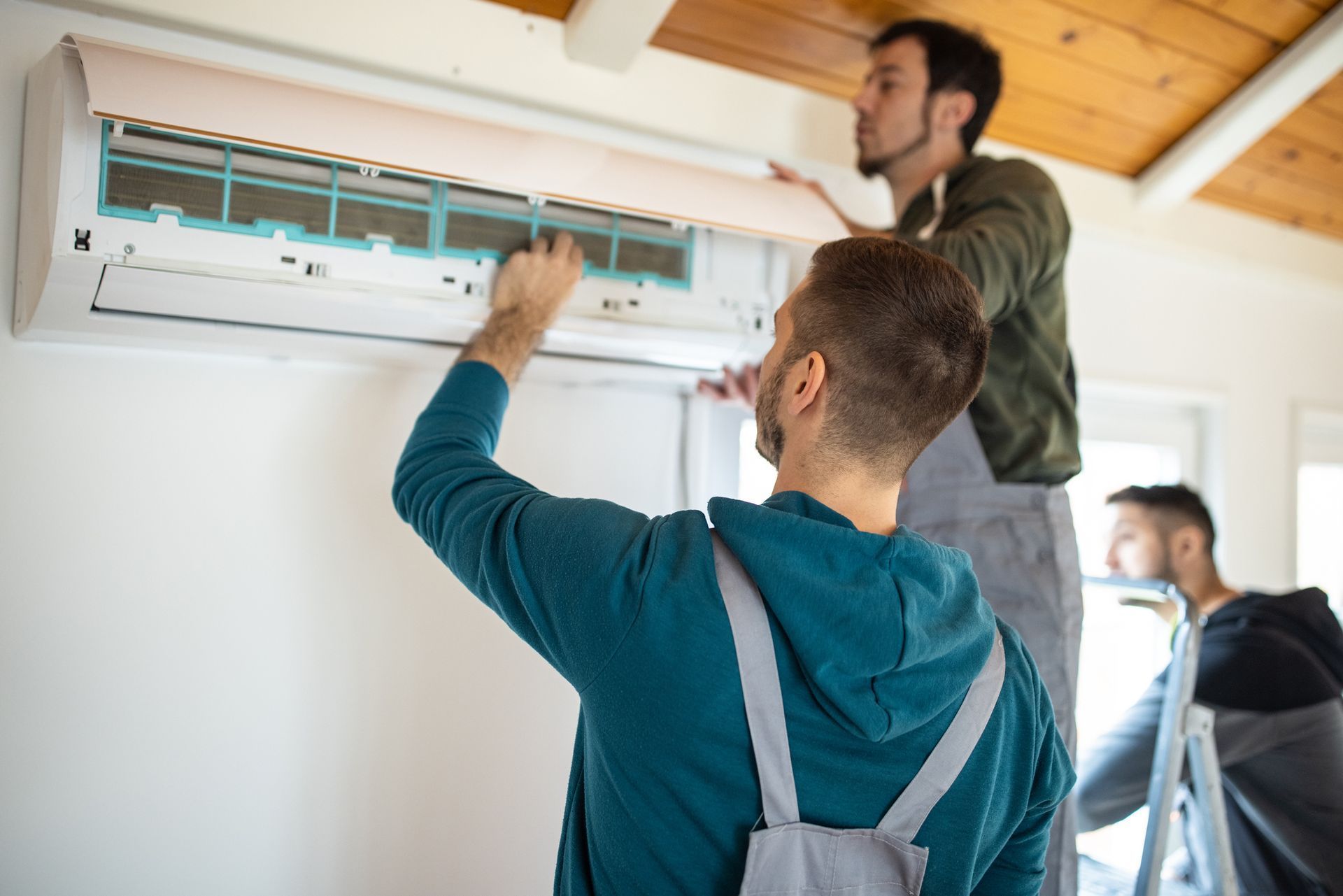
We provide business insurance designed for HVAC contractors. These policies protect your crew, vehicles, and tools while helping you meet project requirements. Every policy is explained clearly and delivered quickly so you can work without delays.
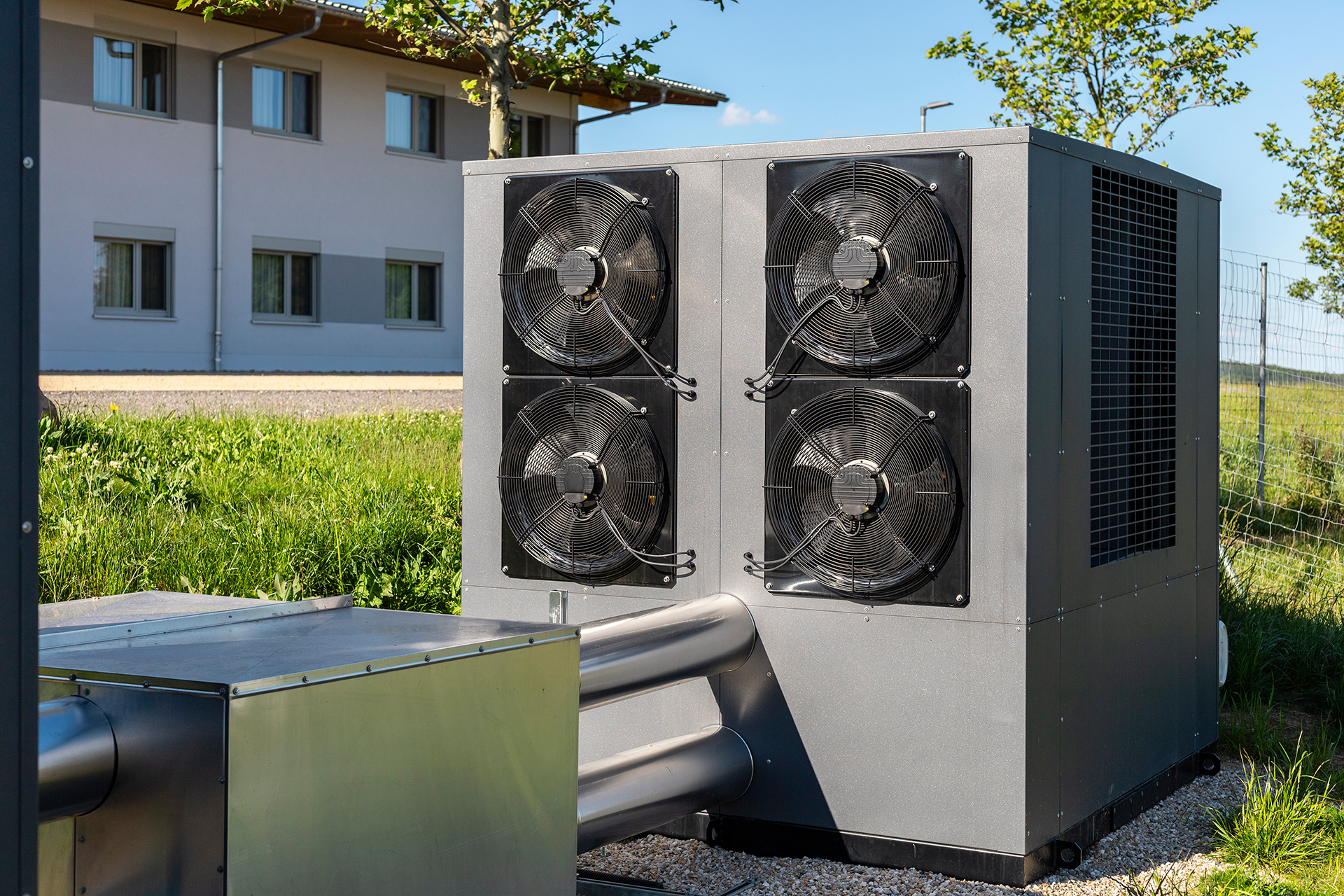

Resources
Insurance Tips for HVAC Contractors
Our blog is built for contractors who want fast answers. Each article covers common questions and risks in under five minutes of reading.


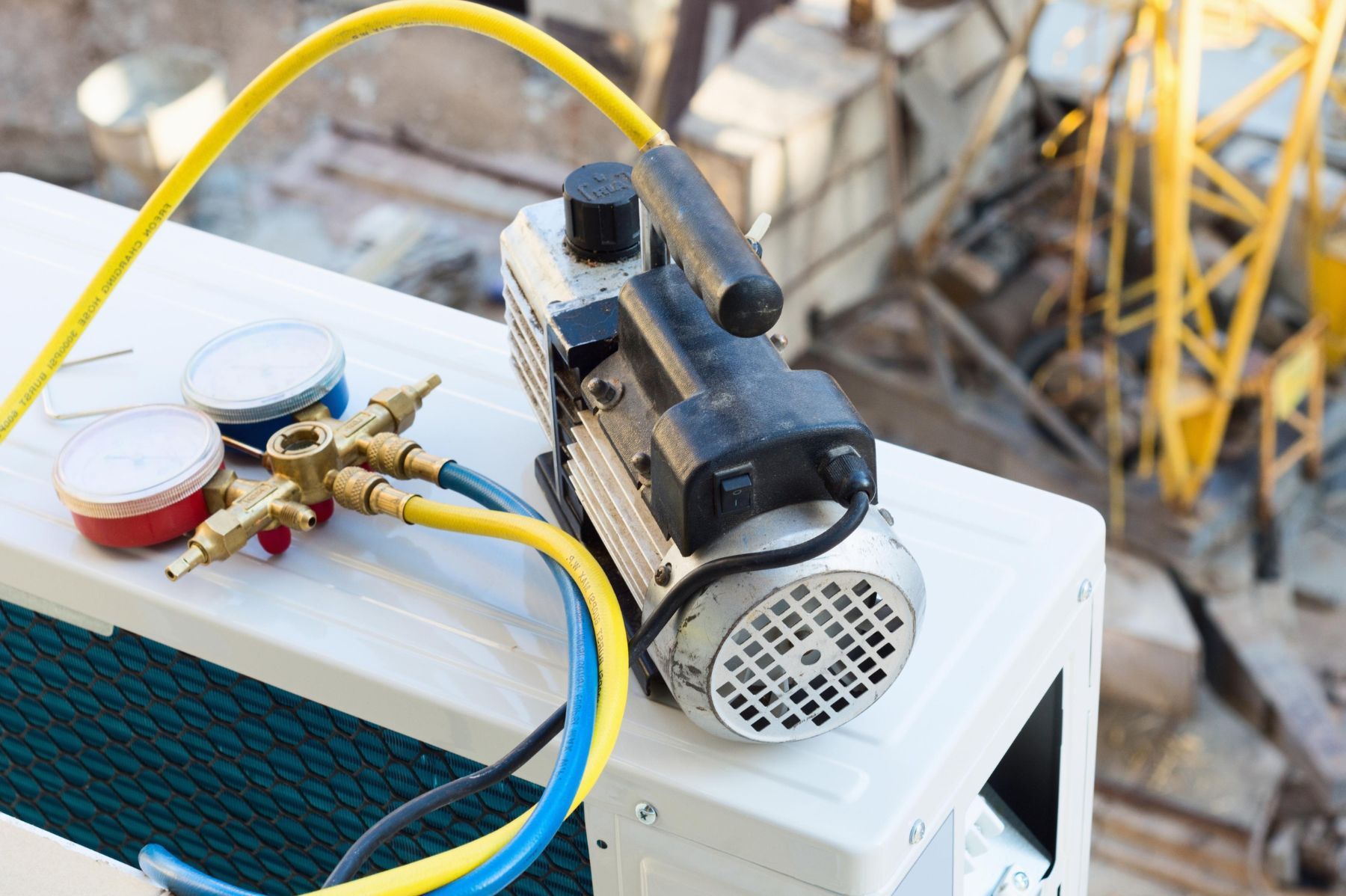
Frequently Asked Question
Common HVAC Contractor Insurance Questions
These FAQs address common contractor questions. As HVACInsure grows, we will update this section with real client experiences and answers.
Why should an HVAC contractor use HVACInsure instead of a general agency?
Specialists understand jobsite requirements, certificate wording, and common endorsements for HVAC work. You get cleaner paperwork, faster approvals, and coverage that fits how your crews operate.
This reduces delays at the gate, avoids gaps, and helps you pass compliance checks the first time.
How fast can I get a Certificate of Insurance (COI)?
Most standard COIs are issued the same business day after binding or updates. If you need additional insured, primary/non-contributory, or waiver language, we prepare it correctly the first time.
Our goal is simple: get your crew on site without paperwork delays.
What coverages do HVAC contractors usually need?
Core policies include General Liability, Commercial Auto, Workers’ Comp, Property/Tools, Inland Marine, and Umbrella. Many projects require higher limits and specific endorsements.
We align your coverage with contract terms and explain each choice in plain language.
Will my tools and scheduled equipment be covered in vans or on jobsites?
Yes. Inland Marine (tools and equipment) can cover items in transit, stored in vehicles, or staged on site.
High-value items can be scheduled, and limits can match your daily field use to keep work moving.
Can I lower my premium without weakening protection?
Often, yes. Clean driver lists, accurate payrolls, safety programs, and bundling policies can help.
We review your profile, request carrier credits, and adjust limits and deductibles to control cost while meeting project requirements.
What should I do after a loss?
Contact us right away so we can file with the correct carrier and set expectations. We guide documentation, next steps, and follow-ups until closure.
Fast reporting and clear records help resolve claims sooner and keep your team focused on work.

Still have questions?
Can’t find the answer you’re looking for? Please chat to our friendly team!
Contact Us