HVACInsure insures HVAC contractors in Chicago and across Illinois. We are licensed to sell contractor and commercial insurance in Illinois and 47 other states, and we quote general liability, workers' compensation, commercial auto, tools and equipment, umbrella, and pollution liability for residential and commercial HVAC businesses.
A burst hydronic line on the fiftieth floor, a furnace that ignites a basement, a service van rear ending a rideshare on the Kennedy. For HVAC contractors in Chicago, it only takes one bad day on a job site to turn steady work into a financial crisis.
Across the industry, HVAC claims average 25,000 to 50,000 dollars each, with over 25,000 incidents a year that add up to more than 1 billion dollars in losses, and one expert case study described a 30,000 dollar refrigerant spill that put an uninsured contractor out of business overnight according to FieldFactor’s analysis of HVAC contractor claims.
Why HVAC Contractors In Chicago Cannot Skip Insurance
Chicago HVAC businesses work in tight mechanical rooms, aging multifamily buildings, and busy commercial towers. Each project brings a mix of fire hazards, heavy equipment, pressurized lines, and electrical work. That combination makes losses more likely than many owners expect, especially once crews grow and jobs get larger.
In 2020, 7,900 non fatal occupational injuries were recorded among HVAC contractors across the United States, and Illinois law requires workers compensation insurance for any contractor with one or more employees as summarized by Uhire’s overview of HVAC contractor risks and state rules.
A 2024 claims review found that 39 percent of evaluated HVAC equipment losses stemmed from causes that are usually excluded under standard policies according to the HVACi annual claims report. That is a serious warning sign for contractors who rely on bare bones coverage or assume their equipment or installation problems will always be covered.

HVACInsure is fully licensed and permitted to sell contractor and commercial insurance in Illinois.
We insure HVAC contractors throughout Illinois and in 47 other states, providing compliant, affordable, and comprehensive coverage that meets project and regulatory requirements.
Core HVAC Contractor Insurance Options
Most Chicago HVAC firms start with a basic package from an insurance agent, then add coverage as the business grows. Understanding what each policy actually covers helps owners avoid dangerous gaps, especially in a city where jobs often involve high value properties and complex systems.
General Liability Insurance
General liability is the foundation for most HVAC businesses. It is designed to respond when your work causes bodily injury or property damage to others, for example a cracked hydronic fitting that leaks through a condo ceiling or a condensing unit that falls from a roof and damages parked vehicles.
One construction benchmark reported that 67 percent of electrical and HVAC companies buy a 2 million dollar general liability limit, and 20 percent opt for even higher limits according to the Mahoney Group Construction Benchmark Report. For Chicago contractors working in high rise or institutional settings, those higher limits often match contractual requirements and provide a more realistic buffer against large claims.
When reviewing this policy, Chicago owners should pay close attention to exclusions around faulty workmanship, damage to your own work, and pollution. Many off the shelf policies limit coverage for refrigerant releases, mold, or gradual leaks. An experienced commercial agent can often negotiate endorsements that better fit HVAC operations.
Workers Compensation Insurance
Workers compensation covers medical bills and lost wages when employees are injured on the job. For HVAC companies, this includes everything from ladder falls and lifting injuries to electrical shocks and burns. It also protects the business from most employee injury lawsuits, since workers compensation is typically the exclusive remedy for covered incidents.
In Illinois, carrying workers compensation is not optional once a contractor hires staff, and regulators can impose fines or even stop work orders when coverage is missing. Beyond compliance, a solid workers compensation policy demonstrates to general contractors and commercial clients that your business is stable and professionally run.
Commercial Property and Installation Coverage
HVAC shops often own valuable tools, diagnostic equipment, and inventory. Commercial property insurance protects buildings you own, along with contents like tools and office equipment, against covered perils such as fire, theft, or certain types of water damage.
Standard property policies may not fully protect equipment in transit or on job sites. Many HVAC contractors add inland marine or installation floater coverage so that rooftop units, furnaces, and expensive controls are protected while they are being stored, transported, or installed. Given how often HVAC crews stage materials in parking lots, hallways, and mechanical rooms, these add ons can prevent painful out of pocket losses.
Commercial Auto and Hired or Non Owned Auto
Service vans and box trucks are essential to HVAC work in the Chicago area. Commercial auto insurance covers liability from at fault accidents along with physical damage to your vehicles. Without it, one serious crash on Lake Shore Drive or the Dan Ryan can quickly exceed the limits of a personal auto policy.
Even if the business does not own vehicles, it may still face auto liability when employees drive their own cars for work or when the company rents vehicles. Hired and non owned auto coverage can usually be added to a general liability or business owners policy to address these exposures.
Professional Liability and Errors and Omissions
HVAC contractors routinely design systems, size equipment, and recommend control strategies. If a design mistake leads to poor performance, code violations, or costly rework, the dispute may be viewed as a professional error rather than simple property damage. Professional liability, often called errors and omissions, responds to those claims.
This coverage is particularly important for contractors who handle design build projects, energy modeling, or complex building automation. In those cases, clients often rely heavily on the contractor’s expertise, which increases the chance of being blamed if something does not work as promised.
Umbrella and Excess Liability
Chicago HVAC contractors that work on hospitals, schools, or skyscrapers are often required to carry higher liability limits than a standard package provides. An umbrella or excess liability policy sits on top of general liability, auto liability, and sometimes employers liability, increasing the total available coverage for large claims.
Umbrella coverage can be surprisingly cost effective compared with raising limits separately on every underlying policy. For firms that are growing into larger projects, or that maintain long term relationships with big property owners, an umbrella is often the most efficient way to keep contracts and risk management aligned..
What Affects The Cost Of HVAC Insurance In Chicago
Insurance pricing for HVAC contractors is not random. Underwriters look at clear factors, including payroll, revenue, type of projects, and loss history. Chicago adds its own wrinkles, from older building stock and harsh winters to dense traffic and union or prevailing wage work on public projects.
Across a wide sample of contractors, median workers compensation premiums for HVAC businesses came in at about 127 dollars per month, or 1,524 dollars per year based on a cost analysis by Simply Business. Actual pricing in Chicago may run higher or lower depending on claims, safety practices, and how much of your work involves service versus heavy installation.
General liability, commercial auto, and property coverage are all influenced by similar themes. Carriers reward clean loss histories, strong contracts that shift appropriate risk to subs or suppliers, and evidence of safety programs. On the flip side, a pattern of water damage claims, vehicle accidents, or employee injuries will quickly push premiums up or trigger strict coverage terms.
Example Coverage Mix For A Growing HVAC Shop
To get a feel for how the core coverages fit together, it helps to map them against common risks. The table below shows a simplified comparison for a Chicago based HVAC contractor that handles both residential and light commercial work.
| Risk or scenario | Primary coverage that responds | Notes for Chicago contractors |
|---|---|---|
| Water leak from newly installed coil damages condo below | General liability | Check exclusions for damage to your own work and for gradual leaks that are discovered late. |
| Technician falls from ladder while servicing rooftop unit | Workers compensation | Strong safety training and documented procedures can reduce both injuries and long term claim costs. |
| Service van hits another vehicle on icy street | Commercial auto, possibly umbrella liability | Winter driving and heavy traffic make auto liability a major exposure in the Chicago area. |
| Break in at shop, tools and copper stolen | Commercial property, inland marine | Consider higher security standards and inventory controls in neighborhoods with more theft risk. |
| Controls programming error causes comfort complaints and energy waste in office building | Professional liability or errors and omissions | Contracts should clearly define performance standards and limit warranties where appropriate. |
| Large injury lawsuit from third party after explosion or fire | General liability plus umbrella or excess liability | Owners working in high occupancy buildings usually need higher limits to satisfy contracts. |
Real coverage decisions should always be based on your own operations and risk tolerance. Still, this type of matrix can help owners ask better questions when they meet with an insurance professional, and it highlights how different policies coordinate during a claim.
Building A Smart Insurance Strategy For Your Chicago HVAC Business
Buying a policy is easy. Building a program that keeps the business safe as it grows takes more planning. Chicago HVAC contractors should treat insurance as one part of a broader risk management strategy that also includes contracts, safety practices, and financial planning.
Start with a clear inventory of your risks. List where crews work, what kind of buildings you service, and what types of systems you install or design. A contractor focused on residential change outs in the suburbs faces a very different profile from one that handles large new construction or retrofits in downtown high rises.
Next, review contracts with general contractors, property managers, and commercial clients. These often dictate minimum limits, additional insured wording, and waiver of subrogation requirements. Meeting those requirements is important, but so is understanding when they expose your company to broader liability than your pricing or margins justify. An experienced agent or attorney can often suggest ways to tighten language without losing the job.
Reducing Claims To Control Premiums
Insurance carriers look hard at loss trends. A contractor that can show improved safety metrics and fewer losses over several years is in a stronger position to negotiate with underwriters. Even simple steps like formal job hazard analyses, consistent tool box talks, and documented vehicle checks can shift the conversation.
Chicago specific measures also help. For example, planning seasonal staffing and scheduling to avoid rushing installations during extreme cold or heat can reduce errors and accidents. Standardizing leak tests, combustion analysis, and equipment start up procedures lowers the chance of callbacks that might later become claims.
Finally, stay proactive with your agent. Any time the business changes significantly, such as adding a sheet metal shop, buying a building, or expanding into design build controls, coverage should be revisited. Waiting until renewal to disclose major changes can lead to denied claims or unpleasant surprises in pricing.

Frequently Asked Questions About HVAC Contractor Insurance In Chicago
What insurance does an HVAC contractor in Chicago absolutely need?
Most HVAC businesses start with general liability, workers compensation for any employees, and commercial auto if they own or use vehicles for work. From there, property and inland marine, professional liability, and umbrella coverage are added as projects and risks expand.
Is a business owners policy enough for a small HVAC shop?
A business owners policy can bundle general liability and property coverage at a competitive price, which works well for smaller service oriented contractors. If the company does heavier installation work, designs systems, or has several vehicles on the road, separate or customized policies may offer better protection.
Do I need professional liability if an engineer stamps the drawings?
Even when an outside engineer provides stamped plans, HVAC contractors still make many field decisions on equipment selection, routing, and controls. Professional liability can help if a client claims that your recommendations or on site changes caused performance issues or costly rework.
How can a Chicago HVAC business lower its insurance costs without losing protection?
The most reliable way is to cut down on claims through strong safety programs, driver training, and quality control on installations. Owners can also review deductibles, limits, and endorsements with a knowledgeable agent to make sure they are not paying for coverage that does not match their work.
What should be in my contracts from an insurance standpoint?
Good contracts clearly allocate responsibilities between you, general contractors, and subs. They should address indemnification, additional insured status, waiver of subrogation, and limits, while avoiding open ended guarantees that could fall outside policy coverage.
Does insurance cover faulty workmanship?
Standard policies often exclude pure faulty workmanship, though they may cover resulting damage to other property. Contractors should discuss endorsements and complementary coverages with an insurance professional to understand exactly where their policies draw the line.
What Chicago HVAC Owners Should Remember
Insurance for HVAC contractors in Chicago is not just a paperwork requirement for pulling permits or signing contracts. It is a core tool for protecting the business, the owner’s personal assets, and the livelihoods of everyone on the payroll. Claims involving property damage, injuries, or design disputes are not rare, and they tend to be expensive when they hit multi family buildings, hospitals, or large commercial properties.
Industry research suggests that general liability premiums for HVAC companies often fall between 1.3 and 2.6 percent of annual revenue, which is a modest slice of income compared with the potential cost of a serious claim according to ContractorNerd’s review of HVAC liability insurance. When viewed as part of a broader risk management plan that includes solid contracts and strong safety practices, that investment becomes easier to justify.
The most effective Chicago HVAC owners treat insurance conversations as ongoing, not one time events at renewal. By revisiting coverage as the business adds new services, enters new markets, or takes on bigger projects, they keep protection aligned with reality on the ground. The result is a company that can survive bad luck and keep growing, instead of seeing a single claim threaten everything it has built.
Recognized by National HVAC Trade Associations
These trusted organizations set best practices and standards that carriers rely on when underwriting HVAC risks.
Membership signifies adherence to HVAC industry standards and contractor best practices.
Coverage for Crews, Vehicles, and Tools
Insurance for HVAC Contractors
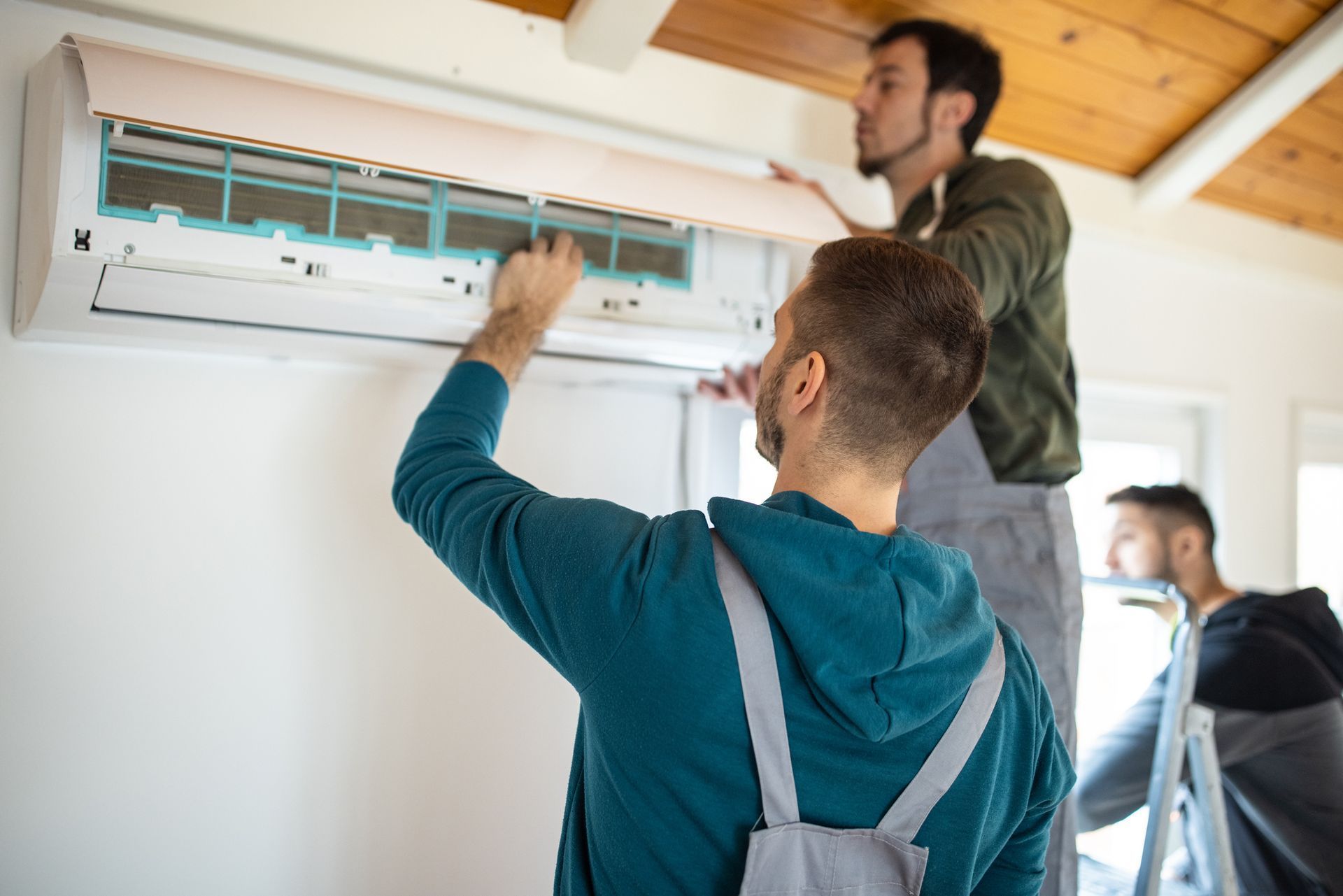
We provide business insurance designed for HVAC contractors. These policies protect your crew, vehicles, and tools while helping you meet project requirements. Every policy is explained clearly and delivered quickly so you can work without delays.

Resources
Insurance Tips for HVAC Contractors
Our blog is built for contractors who want fast answers. Each article covers common questions and risks in under five minutes of reading.


Frequently Asked Question
Common HVAC Contractor Insurance Questions
These FAQs address common contractor questions. As HVACInsure grows, we will update this section with real client experiences and answers.
Why should an HVAC contractor use HVACInsure instead of a general agency?
Specialists understand jobsite requirements, certificate wording, and common endorsements for HVAC work. You get cleaner paperwork, faster approvals, and coverage that fits how your crews operate.
This reduces delays at the gate, avoids gaps, and helps you pass compliance checks the first time.
How fast can I get a Certificate of Insurance (COI)?
Most standard COIs are issued the same business day after binding or updates. If you need additional insured, primary/non-contributory, or waiver language, we prepare it correctly the first time.
Our goal is simple: get your crew on site without paperwork delays.
What coverages do HVAC contractors usually need?
Core policies include General Liability, Commercial Auto, Workers’ Comp, Property/Tools, Inland Marine, and Umbrella. Many projects require higher limits and specific endorsements.
We align your coverage with contract terms and explain each choice in plain language.
Will my tools and scheduled equipment be covered in vans or on jobsites?
Yes. Inland Marine (tools and equipment) can cover items in transit, stored in vehicles, or staged on site.
High-value items can be scheduled, and limits can match your daily field use to keep work moving.
Can I lower my premium without weakening protection?
Often, yes. Clean driver lists, accurate payrolls, safety programs, and bundling policies can help.
We review your profile, request carrier credits, and adjust limits and deductibles to control cost while meeting project requirements.
What should I do after a loss?
Contact us right away so we can file with the correct carrier and set expectations. We guide documentation, next steps, and follow-ups until closure.
Fast reporting and clear records help resolve claims sooner and keep your team focused on work.

Still have questions?
Can’t find the answer you’re looking for? Please chat to our friendly team!
Contact Us