Arizona HVAC Retrofit & Energy Upgrade Contractor Insurance
or call us: 888-862-1202
On a summer afternoon in Arizona, a retrofit crew can be working on a metal rooftop hot enough to warp tools while a property manager inside worries about tenants, data rooms, and chilled water loops. When a project like that goes wrong, the fallout rarely stops at a simple repair bill. It can trigger business interruption claims, health complaints, and finger pointing between contractors, subs, and building owners.
The long stretch of extreme heat in Phoenix in recent seasons, which exposed gaps in commercial property coverage, pushed many building owners to speed up HVAC retrofits and energy upgrades. That rush creates real opportunity for skilled contractors, but it also raises the odds of expensive mistakes. Insurance for Arizona HVAC retrofit and energy efficiency work is not just about checking a box for license compliance. The right program is built around how crews actually work, which systems they touch, and how much risk the business can afford to carry on its own.
This guide walks through the risk realities of Arizona HVAC retrofit and energy upgrade projects, the coverages that usually matter most, and practical ways to keep claims and premiums under control. The goal is to help contractors talk to insurers from a position of strength, with a clear picture of what needs to be protected.
Why Arizona HVAC Retrofit & Energy Upgrade Work Is High Stakes
Retrofit and energy upgrade projects are very different from installing a brand new system in an empty shell building. In Arizona, most of this work happens in occupied properties. Tenants are running servers, restaurants, medical offices, or childcare centers while crews open ceilings, shut down air handlers, and adjust control sequences. That mix of live operations and intrusive work is where many claims start.
Arizona heat amplifies every weak point. When a retrofit misstep knocks out cooling during a heat wave, indoor conditions can deteriorate quickly. Sensitive equipment can overheat, indoor air quality can slide, and vulnerable occupants can be affected. Extreme temperatures also strain existing systems, so a contractor can touch a piece of aging equipment that is already close to the end of its life and then get blamed when it fails.
Energy upgrade projects add another layer of risk. When contractors promise efficiency gains or performance targets, those promises can be interpreted as professional guarantees. If the client’s utility bills do not drop the way they expected, or if a new sequence of operations creates comfort complaints, the contractor might face allegations of poor design, bad recommendations, or misrepresentation. Those claims are often excluded under basic general liability policies if not addressed properly in the insurance program.
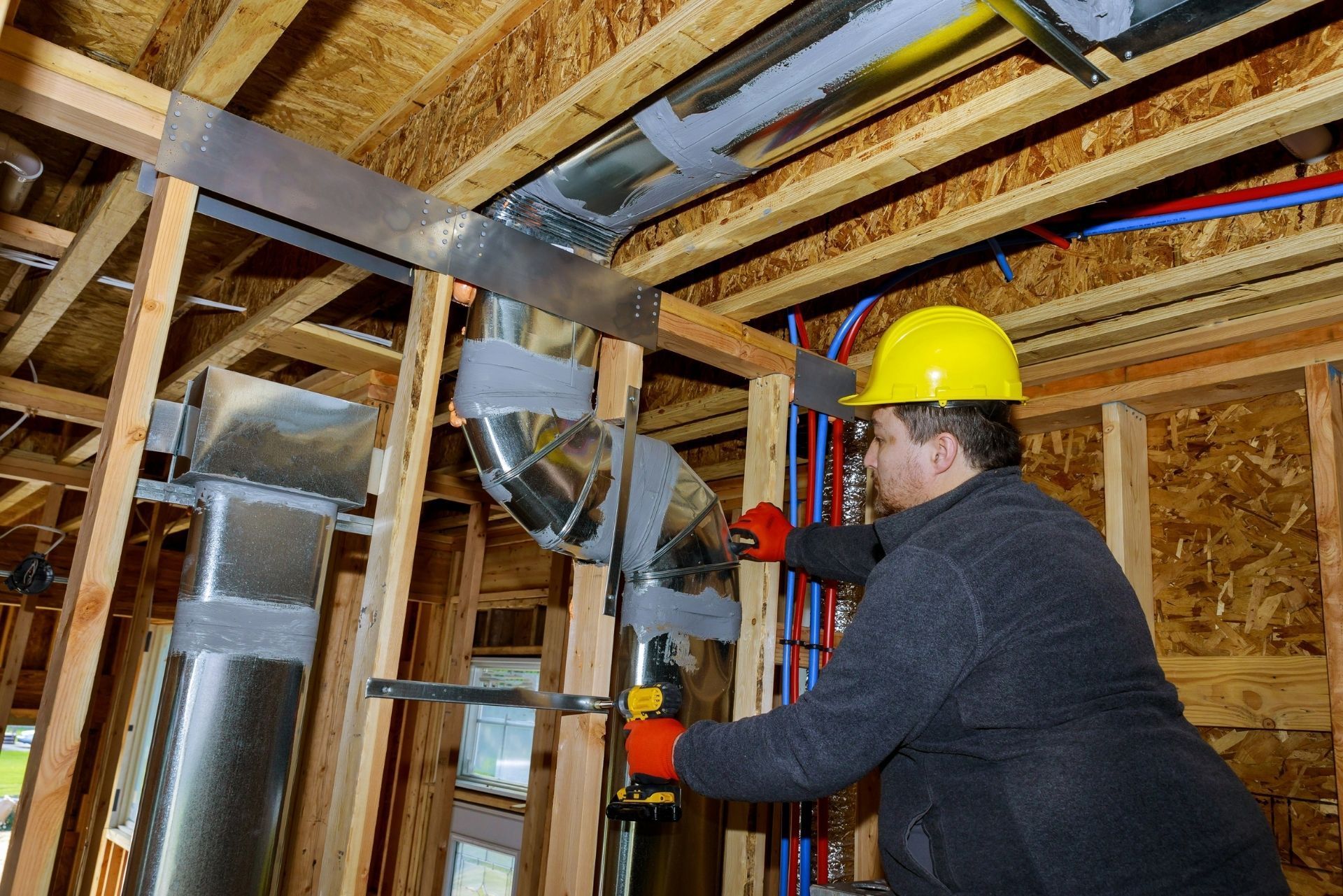
HVACInsure is fully licensed and permitted to sell contractor and commercial insurance in Arizona.
We insure HVAC contractors throughout Arizona and in 47 other states, providing compliant, affordable, and comprehensive coverage that meets project and regulatory requirements.
Essential Insurance Coverages For Arizona HVAC Retrofit Contractors
Most Arizona HVAC retrofit and energy upgrade contractors already carry basic policies because clients or licensing rules require them. The challenge is that standard packages are often built for new construction installers or simple service work, not for contractors taking on complex retrofit scopes, performance guarantees, or integrated control upgrades. A more tailored approach usually combines several types of coverage that work together.
General liability protects against third party bodily injury or property damage, like a water leak that ruins ceiling finishes or a ladder accident that injures a tenant. For retrofit contractors, the details matter. Some policies carve out damage to the part of the building you are actively working on, or they exclude claims tied to faulty workmanship. Negotiating broader completed operations coverage and fewer restrictive exclusions can make the difference between a paid claim and a budget breaking denial.
Professional liability, sometimes called contractors errors and omissions, responds to allegations that design advice, system selection, or control strategies were flawed. Energy modeling, equipment sizing, and efficiency recommendations all fall into this gray area between trade work and professional services. As more building owners seek help sorting through rebates, high efficiency equipment options, and advanced controls, this coverage becomes increasingly important.
Workers compensation, commercial auto, inland marine for tools, and property coverage for shops and warehouses round out the core. For many Arizona HVAC retrofit contractors, pollution liability and cyber coverage are also becoming more relevant. Cleaning up a refrigerant spill or responding to a ransomware attack on a connected building management system can produce costs that basic policies may not handle well, particularly as there are many HVAC contractor businesses across the United States competing on complex jobs where data and environmental exposure are real concerns.
The table below gives a high level comparison of several key coverages and how they typically apply to retrofit and energy upgrade work.
| Coverage type | What it protects | Why it matters for retrofit & energy upgrades |
|---|---|---|
| General liability | Third party bodily injury and property damage | Jobs in occupied buildings create constant slip, trip, fall, and water damage exposures. |
| Professional liability (E&O) | Claims tied to advice, design, or recommendations | Energy audits, equipment selection, and sequence changes can all be challenged if results disappoint clients. |
| Workers compensation | Employee injuries and lost wages | Crews face hot attics, roof work, confined spaces, and electrical hazards that can lead to serious injuries. |
| Commercial auto | Company vehicles and liability from vehicle use | Vans and trucks hauling equipment, refrigerant, and tools are often on tight schedules, which increases accident risk. |
| Inland marine / equipment | Portable tools and jobsite equipment | Vacuum pumps, lifts, testers, and laptops are expensive to replace if stolen or damaged on site. |
| Pollution liability | Claims involving contaminants or spills | Refrigerants, solvents, and mold from moisture issues can trigger environmental allegations. |
| Cyber and data liability | Data breaches and cyber incidents | Smart controls and remote access to building systems create new paths for cyber risk. |
How Heat, Codes, And Efficiency Standards Change Your Risk Profile
Arizona contractors do not just install equipment. They are on the front line of how buildings respond to changing weather patterns, new energy codes, and rising expectations from occupants. Longer, hotter warm seasons strain building envelopes and mechanical systems. That strain shows up as frozen lines, failed compressors, sagging ductwork, and overloaded breakers. When a contractor touches any part of that chain, it becomes easy for a frustrated owner to argue that the retrofit made things worse.
On the regulatory side, efficiency standards are tightening. The federal government is raising minimum efficiency ratings for many common systems. Upcoming changes to federal SEER efficiency standards will push both northern and southern states toward higher baselines. For Arizona HVAC retrofit contractors, that means more projects where older equipment is being swapped out for high efficiency units that have different airflow, drainage, and control requirements.
Each of those factors can feed back into liability. For example, upsizing or downsizing equipment to meet new standards can alter humidity control and indoor air quality. Adjusting setpoints or economizer logic to chase energy savings can change how a building feels to occupants, especially in borderline weather. If comfort complaints lead to claims, insurers will look closely at documentation. Clear records of load calculations, manufacturer recommendations, commissioning tests, and owner training can all support a contractor’s defense and keep a dispute from turning into a paid claim that affects future premiums.
Weatherization, Health, And What It Means For Your Liability
Energy upgrade work often overlaps with broader weatherization efforts. Sealing ducts, adding insulation, and tightening building envelopes all change how mechanical systems perform. When done well, the results can be impressive. A national evaluation of the Weatherization Assistance Program found that making homes more efficient also led to meaningful reductions in asthma related emergency room visits and hospitalizations. That connection between building performance and health outcomes is becoming more widely understood.
The Arizona Department of Housing is actively recruiting more qualified contractors for its weatherization program. That opens the door for HVAC retrofit firms that already understand duct design, ventilation, and load calculations to expand into envelope improvements and whole house performance work. At the same time, it raises expectations. When a contractor is part of a state backed program, clients may assume a higher standard of care, stricter documentation, and stronger guarantees around comfort and health outcomes.
From an insurance perspective, this creates both opportunity and exposure. Contractors that invest in training, blower door testing, and careful design can document the reasoning behind their recommendations. That makes it easier to defend against claims that a project failed to deliver expected benefits. On the flip side, if crews skip steps, ignore moisture management, or overlook ventilation while tightening envelopes, they can inadvertently create problems like condensation, mold, or elevated indoor pollutants, all of which can lead to complicated liability disputes.

New Technologies: Geothermal, Smart Controls, And Connected Risks
Energy upgrade work in Arizona is no longer limited to high efficiency rooftop units and better thermostats. Interest in geothermal systems has been growing as more people recognize that the ground below a property can be a stable heat sink even in a hot climate. As Bryant Jones of Geothermal Rising has noted, the misconception that geothermal is geographically limited is starting to be corrected. For contractors, that shift can mean deeper boreholes, more coordination with drillers, and more complex loops that interact with existing mechanical rooms.
Geothermal projects introduce new insurance questions. Who is responsible if a borehole intersects an unknown utility line or causes ground movement that affects a nearby structure. How are underground loops valued and insured. Do contracts clearly separate responsibilities between the drilling subcontractor and the HVAC contractor designing and commissioning the system. Insurers will want to understand both the technical controls in place and the contractual risk transfer between parties.
Smart HVAC controls and building automation add another dimension. The global market for connected controls is expanding quickly, and more Arizona retrofit jobs now include Wi Fi thermostats, cloud connected controllers, and remote monitoring services. Those tools can help optimize energy use and flag problems before they become emergencies. They also create cyber and privacy exposures. A contractor with remote access to client buildings may be pulled into claims if a breach or malfunction leads to downtime, property damage, or safety concerns. That is why more insurers are asking about password policies, multi factor authentication, vendor access management, and how contractors handle software updates for the systems they install.
Practical Risk Management Steps For Arizona Retrofit Contractors
Insurance is only part of the picture. Tight risk management on projects can reduce claim frequency and severity, which in turn can help keep premiums more stable. For Arizona HVAC retrofit and energy upgrade contractors, some of the most effective steps happen long before anyone shows up on site.
Clear scopes of work are essential. Proposals and contracts should spell out exactly what is included and what is not. If a contractor is responsible only for equipment replacement but not for electrical service upgrades or envelope improvements, that distinction should be obvious. When performance guarantees are offered, they should be specific about assumptions, such as occupancy schedules, maintenance standards, and owner responsibilities. Ambiguous promises are fertile ground for disputes.
On site, job hazard analyses and pre task planning help crews think through the risks of each phase. Roof work in Arizona heat calls for special attention to hydration, fall protection, and electrical safety. Work inside occupied spaces should include communication plans with property management so tenants know what to expect and how to report issues quickly. The faster a small water leak or comfort problem is identified, the easier it is to fix without damage snowballing into an insurance claim.
Documentation may not be glamorous, but it is one of the best defenses a contractor has. Photos of pre existing conditions, copies of commissioning checklists, signed owner training forms, and detailed change orders all tell the story of what happened. When a claim arises months or years after project completion, that story can carry more weight than fading memories. Insurers and defense attorneys rely on it to push back against exaggerated allegations or to negotiate reasonable settlements.
FAQs: Arizona HVAC Retrofit & Energy Upgrade Contractor Insurance
Do small HVAC retrofit contractors really need specialized insurance?
Yes. Even a small firm working on modest commercial or multifamily properties can face large claims if a mistake leads to water damage, mold, equipment failure, or loss of business for a tenant. Specialized coverage helps address risks that do not fit neatly into basic general liability or property policies.
What makes retrofit and energy upgrade work riskier than new construction installs?
Retrofit projects usually happen in occupied, revenue generating buildings with existing systems that may already be stressed or failing. Shutting down equipment, opening ceilings, and changing control strategies in that environment increases the chance that a problem will disrupt operations or be blamed on the contractor.
Is professional liability really necessary for HVAC contractors?
Anytime a contractor provides recommendations on system design, equipment selection, or energy savings, there is potential for a client to claim that advice was faulty. Professional liability, or errors and omissions coverage, is designed to respond to those kinds of allegations, which are often excluded under standard general liability policies.
How do smart controls and remote monitoring affect insurance needs?
Connected controls can improve performance, but they also create new paths for cyber incidents and data privacy issues. Insurers may recommend or require cyber coverage, and they will often ask how remote access is secured, how credentials are managed, and what happens if a third party platform is compromised.
Are refrigerant leaks and environmental claims covered by standard policies?
Not always. Many general liability policies have pollution exclusions that can limit coverage for refrigerant releases, mold, or other contaminants. Separate pollution liability coverage or endorsements tailored to HVAC work can help fill those gaps, especially for contractors regularly handling large refrigerant charges.
What information should contractors gather before shopping for insurance?
Insurers usually want details on project types, average and maximum contract values, safety programs, subcontractor usage, and any prior claims. Having a clear breakdown of how much work involves retrofit, design assist, controls integration, or weatherization can also help underwriters tailor coverage more accurately.
Key Takeaways Before You Quote Coverage
Arizona HVAC retrofit and energy upgrade contractors sit in a unique position. They keep buildings livable in harsh heat, help owners meet stricter efficiency expectations, and often carry much of the risk when systems or projects do not perform as planned. That reality means insurance programs need to be just as carefully engineered as the mechanical systems they protect.
Before quoting or renewing coverage, it helps to step back and look at the business through an underwriter’s eyes. What share of revenue comes from occupied retrofits versus new construction. How often does the firm provide design input or energy savings projections. How are smart controls, remote access, and data handled. How resilient is the company if a single claim or project dispute drags on for months. Pairing honest answers to those questions with market insight, such as industry reports on Arizona ventilation and HVAC equipment manufacturing, can make conversations with insurers far more productive.
With thoughtful risk management, clear contracts, and coverage aligned to real world exposures, Arizona HVAC retrofit and energy upgrade contractors can take on challenging projects with more confidence. The work will only grow in importance as buildings adapt to hotter weather and higher efficiency expectations. A strong insurance foundation helps ensure that growth is sustainable, not fragile.
Recognized by National HVAC Trade Associations
These trusted organizations set best practices and standards that carriers rely on when underwriting HVAC risks.
Membership signifies adherence to HVAC industry standards and contractor best practices.
Coverage for Crews, Vehicles, and Tools
Insurance for HVAC Contractors
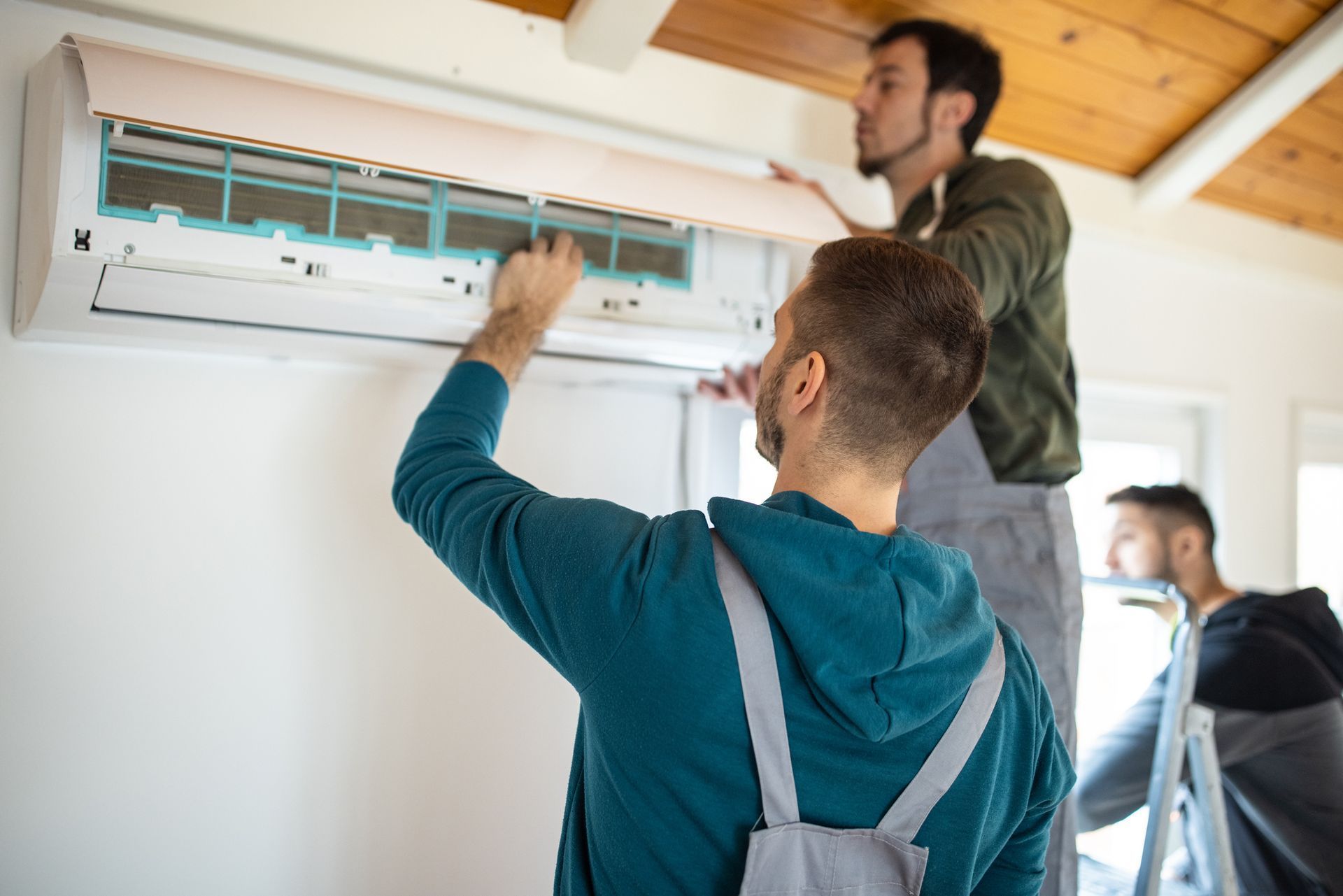
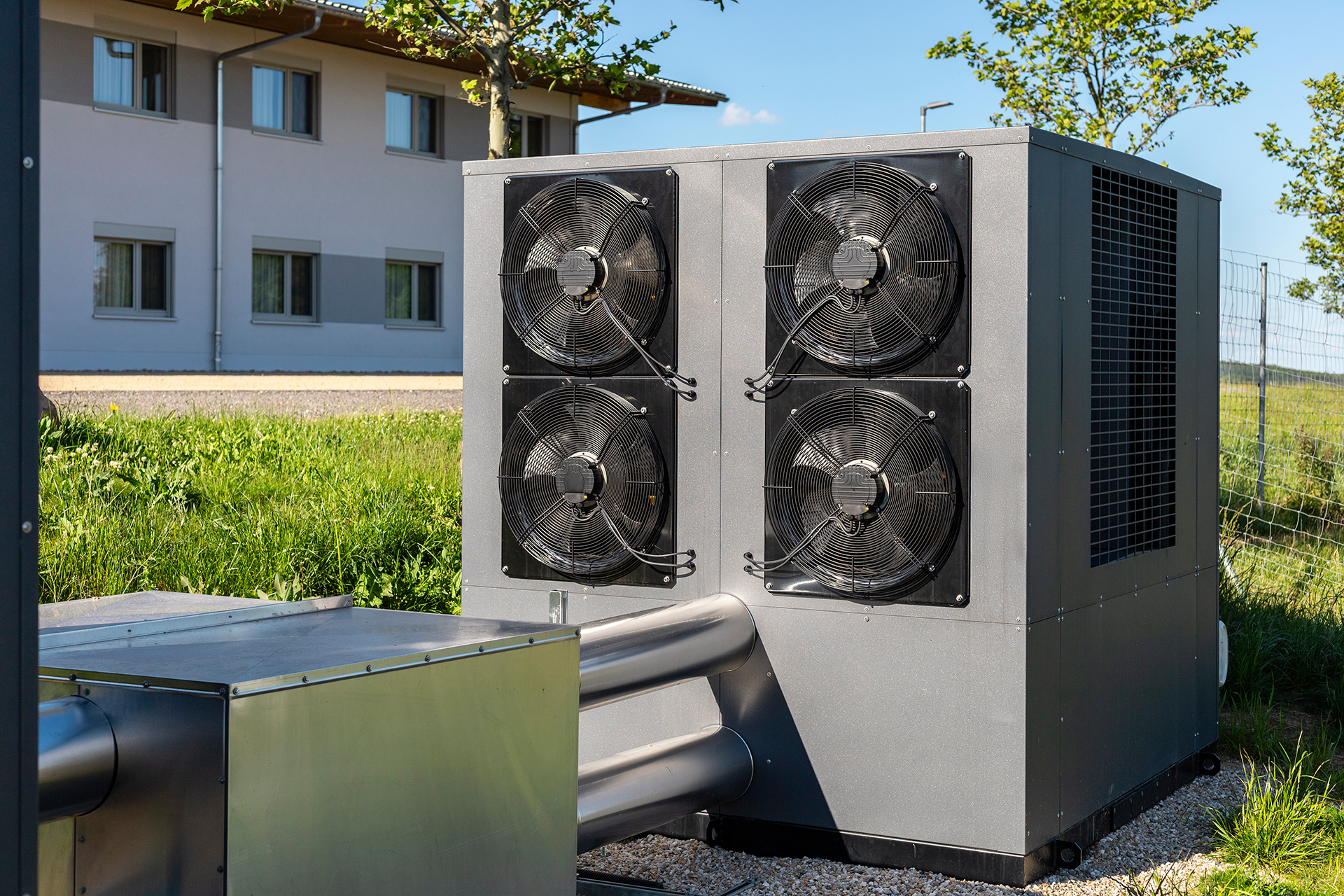
We provide business insurance designed for HVAC contractors. These policies protect your crew, vehicles, and tools while helping you meet project requirements. Every policy is explained clearly and delivered quickly so you can work without delays.

Resources
Insurance Tips for HVAC Contractors
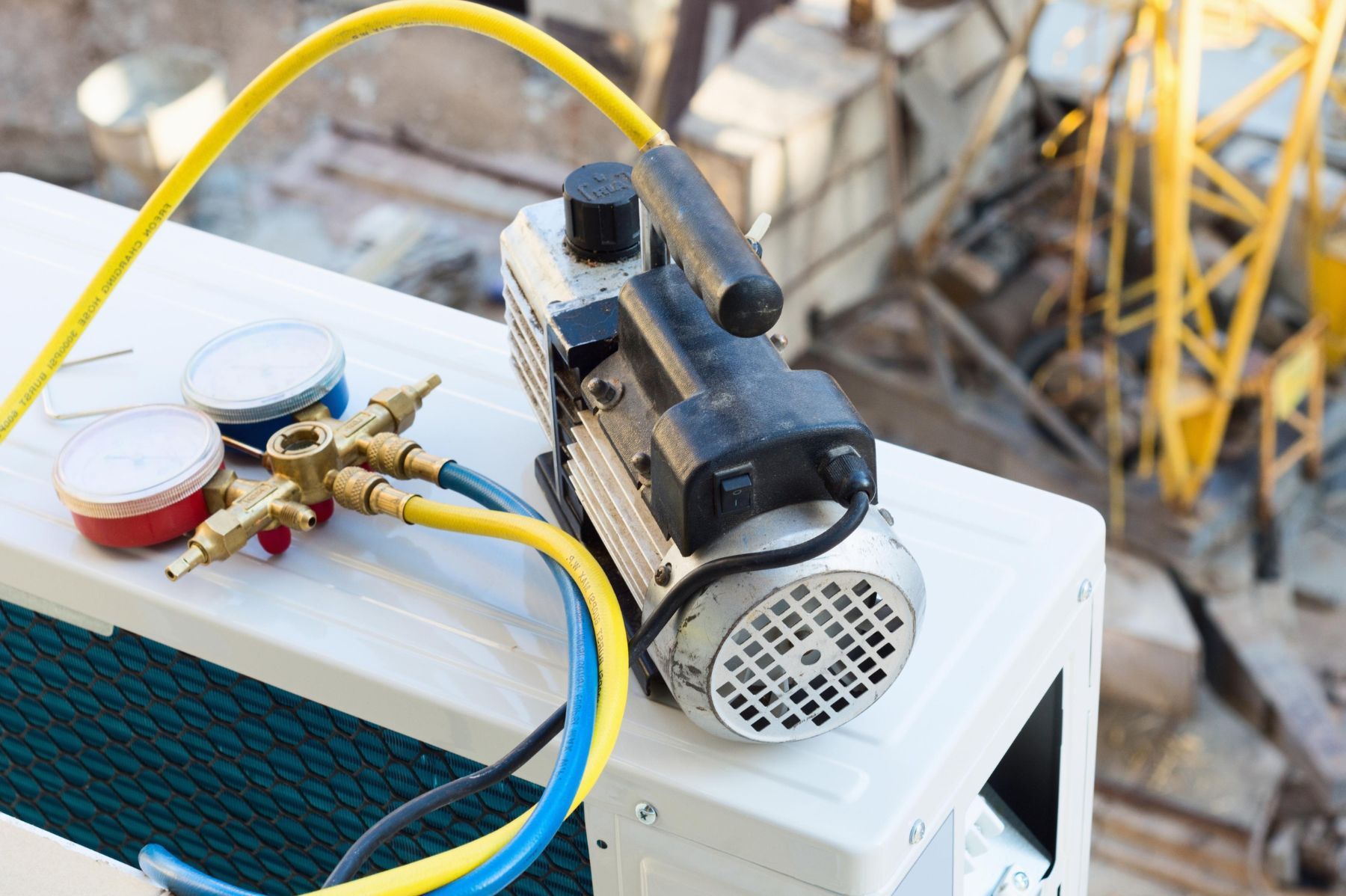
Our blog is built for contractors who want fast answers. Each article covers common questions and risks in under five minutes of reading.


Frequently Asked Question
Common HVAC Contractor Insurance Questions
These FAQs address common contractor questions. As HVACInsure grows, we will update this section with real client experiences and answers.
Why should an HVAC contractor use HVACInsure instead of a general agency?
Specialists understand jobsite requirements, certificate wording, and common endorsements for HVAC work. You get cleaner paperwork, faster approvals, and coverage that fits how your crews operate.
This reduces delays at the gate, avoids gaps, and helps you pass compliance checks the first time.
How fast can I get a Certificate of Insurance (COI)?
Most standard COIs are issued the same business day after binding or updates. If you need additional insured, primary/non-contributory, or waiver language, we prepare it correctly the first time.
Our goal is simple: get your crew on site without paperwork delays.
What coverages do HVAC contractors usually need?
Core policies include General Liability, Commercial Auto, Workers’ Comp, Property/Tools, Inland Marine, and Umbrella. Many projects require higher limits and specific endorsements.
We align your coverage with contract terms and explain each choice in plain language.
Will my tools and scheduled equipment be covered in vans or on jobsites?
Yes. Inland Marine (tools and equipment) can cover items in transit, stored in vehicles, or staged on site.
High-value items can be scheduled, and limits can match your daily field use to keep work moving.
Can I lower my premium without weakening protection?
Often, yes. Clean driver lists, accurate payrolls, safety programs, and bundling policies can help.
We review your profile, request carrier credits, and adjust limits and deductibles to control cost while meeting project requirements.
What should I do after a loss?
Contact us right away so we can file with the correct carrier and set expectations. We guide documentation, next steps, and follow-ups until closure.
Fast reporting and clear records help resolve claims sooner and keep your team focused on work.

Still have questions?
Can’t find the answer you’re looking for? Please chat to our friendly team!
Contact Us